
INTERNATIONAL PATIENT STORY • STOMACH CANCER • BAGHDAD, IRAQ → BANGALORE, INDIA
Baghdad to Bangalore.
Six Chemos. One Surgery. Going Home Cured.
How Al-Muhamadi from Baghdad travelled 3,000 miles, tried Delhi, arrived in Bangalore, and found the stomach cancer surgeon who gave him his life back
Dr. Sandeep Nayak • MACS Clinic, Bangalore • Robotic Gastrectomy • International Patient from Iraq
|
Iraq Home Country of Patient |
6 Chemo Sessions Before Surgery |
6–7 Days Hospital Stay in Bangalore |
CURED Final Outcome Reported |
In the Name of God — A Man from Baghdad Begins His Search
Al-Muhamadi begins his story the way many people from his part of the world begin everything important: with a prayer. ‘In the name of God, the Most Gracious, the Most Merciful.’ It is not decoration. It is the frame through which he understood every step of what came next — the diagnosis, the chemotherapy, the journey, and eventually, the recovery.
He is a citizen of Baghdad, Iraq. He did not expect, when his stomach cancer was confirmed, that the road to his cure would take him from his hometown in Iraq to Delhi and then to Bangalore — more than 3,000 miles from where he started. He could not have known, in those first frightening weeks after the diagnosis, that he would one day be sitting in a Bangalore hospital room, six days post-surgery, describing the medical staff around him as ‘really good’ and counting the days until he could fly home.
But that is where this story ends. The beginning was much harder.

Al-Muhamadi’s complete journey — Baghdad to Bangalore in 7 steps

The Diagnosis — Baghdad, Dr. Yahya Al-Mohsen, and the Word Nobody Wants
The diagnosis was made in Baghdad by Dr. Yahya Al-Mohsen. Stomach cancer — gastric carcinoma. Al-Muhamadi does not describe in detail the symptoms that brought him to the doctor, or the tests that preceded the verdict. He describes, instead, what happened after: the treatment began.
Six chemotherapy sessions. This is the standard neoadjuvant approach in stomach cancer — chemotherapy given before surgery to shrink the tumour, improve the chance of complete removal, and test whether the cancer responds to systemic treatment. Six cycles is not a short course. It is months of treatment — the accumulated fatigue, the nausea, the days when the only thing you are trying to do is get through to the next one.
Al-Muhamadi completed all six. He did not stop. He finished what was started.
“I underwent six chemotherapy sessions, then I went to Delhi, but couldn’t find a solution there.”
— Al-Muhamadi, Baghdad, Iraq
After the chemotherapy, the question was surgery. And it was here — at the junction between the medicine he had already received and the operation that needed to follow — that Baghdad’s resources reached their limit. The kind of surgical expertise he needed was not available locally. He had to travel.

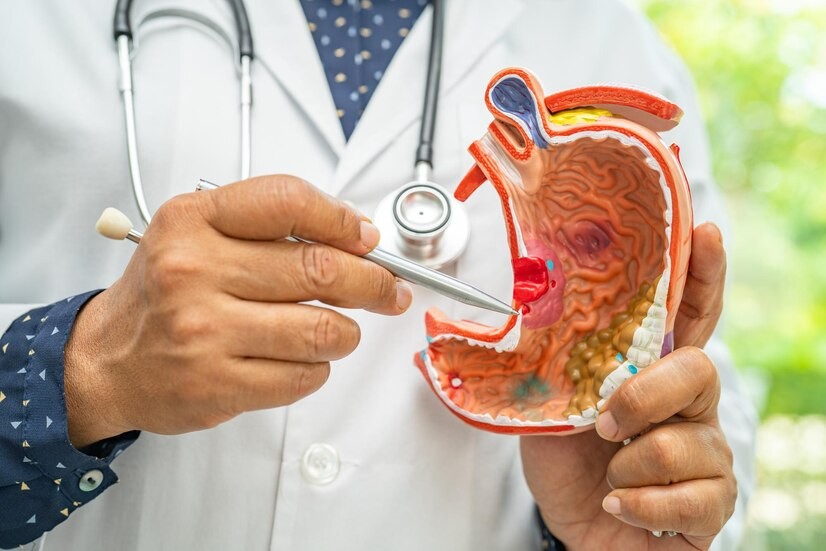
Stomach cancer — understanding the diagnosis and Al-Muhamadi’s full clinical picture
Delhi Couldn't Help. Bangalore Could.
India was the logical destination. It is the country most accessible to patients from the Middle East seeking advanced medical care — geographically close, English-speaking, home to some of the best surgical centres on the continent. Delhi is the natural first port of call: the largest city, the most recognisable medical corridor.
Al-Muhamadi went to Delhi. He looked. He consulted. And he did not find what he needed.
He does not elaborate on what was missing. Perhaps the specific robotic surgical expertise. Perhaps the approach he had been researching. Perhaps, simply, the confidence in the surgical team that a patient in his situation needs in order to say yes. Whatever the reason, Delhi was a stop on the journey, not the destination.

The three-city journey: Baghdad → Delhi (no solution) → Bangalore (cured)
He kept searching. And he found a name: Dr. Sandeep Nayak. MACS Clinic. Bangalore.
“After that, I went to Bengaluru, where Dr. Sanjeev was located, at one of the best and most organised hospitals with top-level medical staff.”
— Al-Muhamadi, describing his arrival at MACS Clinic, Bangalore
The note about the organisation matters. When you have been through six chemotherapy sessions in Baghdad and a failed consultation attempt in Delhi, and you are now standing in a hospital in a city you have never been to before, in a country where you don’t speak the primary language — the feeling of a well-run institution, of calm and competent staff, of a place that knows what it is doing — is not a small comfort. It is the foundation on which you decide to trust someone with your life.
Al-Muhamadi trusted MACS Clinic. He trusted Dr. Sandeep Nayak.
The Operation — What Dr. Sandeep Nayak Did
Stomach cancer surgery — gastrectomy — is one of the most technically demanding operations in abdominal oncology. The stomach sits in the centre of a crowded upper abdomen, surrounded by the liver, the spleen, the pancreas, major blood vessels, and the structures that connect the digestive tract above and below. Removing a tumour-bearing stomach or a portion of it, clearing the lymph nodes around it, and reconstructing a functional digestive pathway — all of this requires precision that rewards experience.
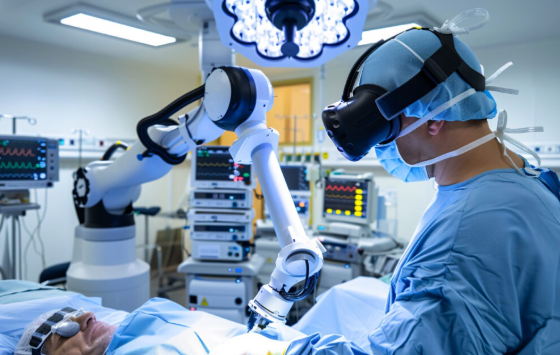
Al-Muhamadi had come to the right place. Dr. Sandeep Nayak performs robotic gastrectomy using the da Vinci Xi surgical system — the same platform he uses for all his complex cancer operations, and one for which he has developed specific expertise across hundreds of procedures.

Robotic stomach cancer surgery — how da Vinci Xi gave Dr. Nayak precision inside the abdomen
Why Robotic Surgery Made the Difference
Al-Muhamadi describes the surgery as ‘the procedure I had hoped for.’ That phrasing — not simply ‘the surgery’ but ‘the procedure I had hoped for’ — suggests he had researched. He knew what he was looking for. He had not found it in Delhi. He found it in Bangalore.
Robotic gastrectomy through the da Vinci Xi system offers several specific advantages over open surgery in stomach cancer:
Three-dimensional magnified vision — the camera gives the surgeon a 10 to 15 times magnified, 3D view of the operative field. The stomach’s complex vascular anatomy — the vessels that supply it and that must be precisely divided — is visible with clarity impossible to achieve with the naked eye or standard laparoscopic instruments.
Articulated wrist movement — the robotic instruments rotate 360 degrees, far beyond human wrist range. In the tight upper abdomen, where the stomach sits adjacent to the liver and spleen, this freedom of movement allows dissection at angles that would be dangerous or impossible with conventional tools.
Lymph node clearance — stomach cancer spreads through lymph nodes. A complete D2 lymphadenectomy — the removal of all relevant lymph node stations — is associated with better long-term survival. The robotic system’s precision makes this clearance more thorough and safer than in open surgery in experienced hands.
Less blood loss — the precision of robotic dissection reduces bleeding during the operation, which reduces the need for transfusion and the complications associated with it.
Smaller wounds — five or six tiny port incisions instead of a large abdominal opening. Less post-operative pain. Faster mobilisation. Faster recovery.
The Six Chemotherapy Sessions — Why They Mattered
Al-Muhamadi’s six cycles of chemotherapy before surgery were not a delay to the real treatment. They were part of it. Neoadjuvant chemotherapy in gastric cancer has a specific purpose: to shrink the primary tumour, potentially downstage the disease, and improve the likelihood that the surgeon can achieve clear margins at the time of resection. Al-Muhamadi had completed the full course. By the time he reached Bangalore for surgery, the chemotherapy had done its preparatory work. Dr. Nayak operated in the most favourable possible post-chemotherapy window.
Inside the Operation
Al-Muhamadi does not describe the surgical details — he was, understandably, asleep for them. What he describes is the experience on the other side: waking up, being cared for by a staff he describes as ‘really good,’ recovering in a hospital he had already identified as among the best he had seen. The operation itself — the tumour removal, the reconstruction of his digestive pathway, the lymph node clearance — was completed by Dr. Nayak and his team.
“The surgery was performed by Dr. Sandeep using the procedure I had hoped for. After that, the care continued. The hospital staff were really good.”
— Al-Muhamadi, on his surgery and recovery at MACS Clinic
Six Days. Seven at Most. And Then Home.
After major abdominal surgery, the recovery period in hospital is a specific kind of time. There is pain, managed and gradually receding. There is the first sip of water, then the first small meal, then the first walk along the hospital corridor. There is the monitoring — the blood tests, the wound checks, the moment the drains come out. And there is the steady accumulation of small milestones that tell a patient: you are going to be all right.
Al-Muhamadi moved through those milestones in six to seven days.
“I stayed about six to seven days in the hospital, then I got discharged during the recovery period. Now, I’m in perfect health and well-being.”
— Al-Muhamadi
Six to seven days is a good post-operative timeline for robotic gastrectomy. The minimally invasive approach — five small ports instead of a large abdominal incision — means less pain, earlier mobilisation, and faster progression through the recovery milestones. Al-Muhamadi was not lingering. He was healing.
He notes the nursing and medical staff specifically. This is not throwaway gratitude. For an international patient — a man from Baghdad, navigating a hospital in a foreign city, surrounded by people speaking languages he may not understand, far from his family — the quality of the human interaction around him is not secondary to the clinical care. It is part of the care. The fact that he found it at MACS Clinic, and that he uses the words ‘really good’ to describe it, tells you something about what he experienced there.

Al-Muhamadi’s surgical outcome — 6 chemo sessions, robotic surgery, 6–7 days, going home cured
What 'Perfect Health' Means After Stomach Cancer Surgery
When Al-Muhamadi says he is in ‘perfect health and well-being,’ he is speaking from a very recent post-surgical vantage point. The full picture of recovery from gastrectomy is longer than six days — it continues for weeks and months after discharge. But the direction is clear, and the foundation has been set.
- Dietary adjustment — after stomach removal or reduction, patients eat smaller meals more frequently. The body adapts. Most patients find that within weeks to months, eating becomes comfortable and satisfying again.
- Follow-up care — regular CT scans and blood tests will monitor for recurrence. This surveillance is critical and continues for years.
- Vitamin supplementation — the stomach plays a role in absorbing B12 and certain other nutrients. Supplements replace this function after gastrectomy.
- Gradual return to normal life — most patients return to their pre-surgery life within two to three months of the operation. Baghdad is waiting.
“Looking forward to my recovery and returning to Baghdad.”
— Al-Muhamadi — his final words from Bangalore
Why International Patients Choose Dr. Sandeep Nayak and Bangalore
Al-Muhamadi is not an unusual case in the context of Dr. Nayak’s practice. Patients travel to MACS Clinic from across the Middle East, from Africa, from Southeast Asia — from anywhere that the combination of advanced robotic cancer surgery and accessible international healthcare infrastructure does not exist locally. What brings them specifically to Dr. Nayak is a pattern worth understanding.
The Specificity of the Referral
Most medical tourists do not arrive in a foreign city and randomly select a hospital. They come because someone — a doctor, a family member, a patient who made the journey before them — gave them a specific name. Al-Muhamadi mentions Dr. Sanjeev as the connection that brought him to MACS Clinic, Bangalore. Referral chains in oncology are built on outcomes. When a doctor recommends Dr. Sandeep Nayak to a patient, they are recommending a specific surgical record, a specific technology platform, and a specific philosophy of care.
The Technology Platform
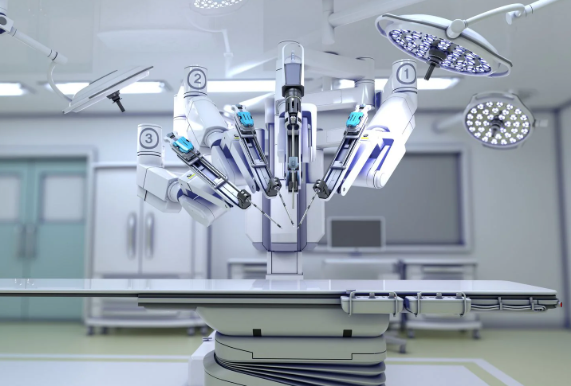
The da Vinci Xi robotic surgical system is not universally available. In many countries across the Middle East and South Asia, the system either does not exist or exists in hospitals without the depth of experience that makes it genuinely beneficial. Dr. Nayak has performed hundreds of robotic cancer operations across multiple organ systems. His experience with the platform — specifically for complex gastrointestinal cancers — is among the deepest available in India.
The Care Experience
Al-Muhamadi mentions the hospital staff and the organisation of MACS Clinic in the same breath as the surgery itself. This is not incidental. The care experience for an international patient — the communication, the accommodation, the coordination between departments, the human warmth of a team that deals with patients from many different countries — is part of the medical product. Al-Muhamadi experienced it as ‘really good.’ That assessment, from a man who had been through six chemotherapy sessions and a failed attempt in Delhi before arriving, carries significant weight.
About Dr. Sandeep Nayak — The Surgeon Al-Muhamadi Trusted
Dr. Nayak has spent his career asking whether the standard surgical approach is the best possible one, or just the most familiar. In stomach cancer surgery, the robotic approach is not yet universal. In experienced hands — and Dr. Nayak’s hands are among the most experienced in India for this operation — it offers measurable advantages: better visualisation, more precise lymph node clearance, less blood loss, shorter recovery. Al-Muhamadi came looking for the best available procedure. He found it.
Aparna's Recovery Milestones
1. Completing Chemotherapy Before Surgery Is the Plan — Trust It
Three-dimensional magnified vision — the camera gives the surgeon a 10 to 15 times magnified, 3D view of the operative field. The stomach’s complex vascular anatomy — the vessels that supply it and that must be precisely divided — is visible with clarity impossible to achieve with the naked eye or standard laparoscopic instruments.
2. Geography Is Not Destiny — If You Need Better Care, Find It
Al-Muhamadi was diagnosed in Baghdad. The treatment available there was not sufficient for what he needed. He went to Delhi. Delhi did not have what he needed. He went to Bangalore. Bangalore had it. The willingness to keep searching — to not accept the first ‘no’ or the first incomplete answer as final — is not stubbornness. It is self-advocacy. It is what the situation demanded, and he responded to it.
3. Robotic Surgery Is Not Available Everywhere — Ask Specifically
Not every hospital that performs stomach cancer surgery offers robotic gastrectomy. Not every surgeon who performs robotic gastrectomy has Dr. Nayak’s depth of experience with the technique. When you are researching surgical options for stomach cancer, ask specifically: is this a robotic procedure? How many has this surgeon performed? What are the outcomes data? Al-Muhamadi had researched enough to know what he was looking for. That research mattered.
3. Robotic Surgery Is Not Available Everywhere — Ask Specifically
Not every hospital that performs stomach cancer surgery offers robotic gastrectomy. Not every surgeon who performs robotic gastrectomy has Dr. Nayak’s depth of experience with the technique. When you are researching surgical options for stomach cancer, ask specifically: is this a robotic procedure? How many has this surgeon performed? What are the outcomes data? Al-Muhamadi had researched enough to know what he was looking for. That research mattered.
4. The Quality of Care Around the Surgery Matters Too
Al-Muhamadi mentions the nursing staff and the hospital organisation in the same breath as the surgery. A cancer operation does not end when the surgeon leaves the theatre. The recovery — the pain management, the nutrition support, the wound care, the physiotherapy, the emotional reassurance of being in a place that knows what it is doing — is part of the treatment. MACS Clinic’s care during Al-Muhamadi’s six to seven post-operative days was part of the reason he was able to leave in the condition he describes.
5. Faith and Medicine Are Not in Opposition
Al-Muhamadi opens his story with a verse and closes it with a prayer of gratitude. This framing — trust in God alongside trust in the hands of a surgeon — is how many patients from across the world navigate a cancer diagnosis. It is worth saying plainly: Dr. Nayak’s clinic treats patients from every faith, every country, every background. The specific cultural framing Al-Muhamadi brings to his story is his own, and it is respected. The outcome — cure, return home, perfect health — belongs to both his faith and his medical care.
What Aparna Wants Every Patient to Know
At the end of her story, Aparna is direct. She is not speaking as a medical authority. She is speaking as a 35-year-old woman who heard the word cancer and came out the other side dancing.
“My cancer journey has taught me the importance of early detection and advanced medical care. I hope my story will inspire other patients who’s going through a tough phase in their life. Early detection is early prevention.”
— Aparna, Thyroid Cancer Survivor, Bangalore
Frequently Asked Questions
Q: Can stomach cancer patients from Iraq come to India for surgery?
Yes. India is a major destination for medical tourism from the Middle East, including Iraq, UAE, Saudi Arabia, and Kuwait. MACS Clinic in Bangalore, under Dr. Sandeep Nayak, regularly treats international patients with stomach cancer. The clinic facilitates medical visas, airport transfers, and international patient coordination. Al-Muhamadi from Baghdad underwent robotic gastrectomy at MACS Clinic and returned home in good health after a 6–7 day hospital stay.
Q: What is robotic stomach cancer surgery (gastrectomy)?
Robotic gastrectomy is the removal of the cancerous stomach (or part of it) using the da Vinci Xi surgical robotic system. The surgeon operates through 5–6 small keyhole incisions rather than a large abdominal opening. The robotic system provides 3D magnified vision inside the abdomen and tremor-free precision for lymph node clearance and reconstruction. Advantages include less blood loss, less post-operative pain, faster recovery, and smaller scars. Dr. Sandeep Nayak performs robotic gastrectomy at MACS Clinic, Bangalore.
Q: Is chemotherapy needed before stomach cancer surgery?
In many cases, yes. Neoadjuvant chemotherapy — given before surgery — is standard care for locally advanced gastric cancer. It shrinks the primary tumour, improves the chance of complete surgical removal, and tests whether the cancer responds to systemic treatment. Al-Muhamadi completed 6 chemotherapy sessions in Baghdad before travelling to Bangalore for surgery. This pre-operative treatment contributed directly to the surgical outcome he received at MACS Clinic.
Q: How long is recovery after stomach cancer (gastrectomy) surgery?
Hospital stay after robotic gastrectomy is typically 5–8 days. Al-Muhamadi was discharged from MACS Clinic Bangalore after 6–7 days. Full recovery — return to normal eating patterns, physical activity, and daily life — takes approximately 2–3 months. Dietary adjustments (smaller, more frequent meals) are typically needed long-term. Follow-up care includes regular CT scans and blood tests to monitor for recurrence.
Q: Why did an Iraqi patient choose Bangalore over Delhi for stomach cancer surgery?
Al-Muhamadi consulted in Delhi but could not find the surgical solution he was looking for. He was referred to Dr. Sandeep Nayak at MACS Clinic, Bangalore — a specialist in robotic gastrointestinal cancer surgery with the da Vinci Xi system. The combination of surgical expertise, specific robotic technique, and the quality of hospital care at MACS Clinic was what he had been searching for and could not locate elsewhere.
Q: Does Dr. Sandeep Nayak treat international patients in Bangalore?
Yes. Dr. Sandeep Nayak at MACS Clinic and KIMS Hospital, Bangalore, regularly treats patients from Iraq, the UAE, Saudi Arabia, Kuwait, Oman, Qatar, Bangladesh, and other countries. The clinic assists with medical visa facilitation, international patient coordination, and post-discharge follow-up. Appointments can be arranged through www.drsandeepnayak.com for patients travelling from abroad.
Q: What is the survival rate for stomach cancer treated with surgery?
Survival rates for stomach cancer depend heavily on stage at diagnosis and the completeness of surgical resection. When detected at an early or localised stage and treated with a combination of neoadjuvant chemotherapy and complete surgical resection (ideally with a D2 lymphadenectomy achieving clear margins), 5-year survival rates range from 60–90%. Al-Muhamadi’s treatment pathway — 6 cycles of chemotherapy followed by robotic gastrectomy — represents the standard of care for resectable gastric cancer.
Q: How can I contact MACS Clinic, Bangalore for stomach cancer treatment?
Appointments with Dr. Sandeep Nayak can be booked at www.drsandeepnayak.com. The clinic address is MACS Clinic, No. 96/A/9/1, 42nd Cross, 3rd Main, 8th Block, Jayanagar, Bengaluru — 560 070, India. International patient enquiries, including medical visa guidance and travel coordination, can be directed to the clinic’s international patient services desk.