

Breast cancer is one of the most commonly diagnosed cancers among women worldwide. Globally, millions of new cases are detected each year. In India, breast cancer has become the leading cancer among women in urban regions, with rising incidence in rural areas as well. Increased awareness and screening have improved early detection rates, but many women still hesitate when they first notice a symptom. Recognizing the early signs of breast cancer and taking prompt action can make a significant difference in outcomes.

Dr. Sandeep Nayak, a highly regarded surgical oncologist in India, explains, “Most breast lumps are not cancerous, but any new or unusual change must be evaluated without delay. Early diagnosis allows us to offer more effective and less aggressive breast cancer treatment.”
With extensive experience in the management of breast malignancies, Dr. Nayak has treated thousands of patients using advanced, evidence-based approaches at MACS Clinic in Bangalore. His expertise in minimally invasive and robotic cancer surgeries ensures patients receive comprehensive and personalized care at every stage.
This guide will walk you through what to do if you suspect breast cancer, the symptoms to watch for, and how diagnosis and treatment are approached.
Noticing something unusual in your breast? Let’s quickly understand the warning signs.
Common Signs and Symptoms of Breast Cancer
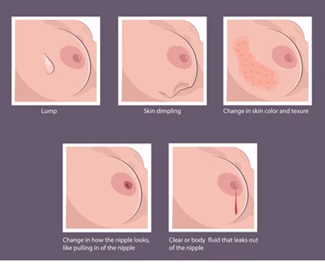
Recognizing the symptoms of breast cancer early can lead to faster diagnosis and better treatment outcomes. Here are the most common signs of breast cancer:
- A new lump or thickening in the breast or underarm
- Change in breast size or shape
- Dimpling or puckering of the skin
- Nipple discharge (especially bloody discharge)
- Inverted nipple
- Redness or scaling of breast skin
- Persistent breast pain in one area
Dr. Sandeep Nayak advises, “While not all lumps are cancerous, persistent changes should never be ignored. Many early signs of breast cancer are painless, which is why regular self-awareness and screening are crucial.”
What to Do If You Suspect Breast Cancer
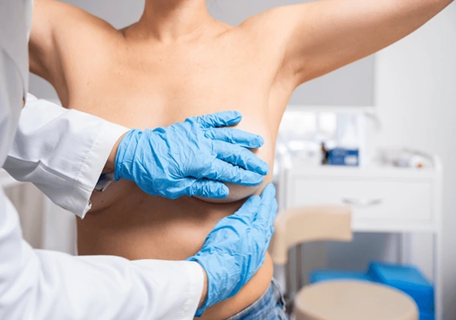
If you suspect breast cancer, avoid panic. The first and most important step is to consult a qualified doctor. Do not delay evaluation, hoping the symptom will disappear.
Here’s what you should do:
- Fix an appointment for a clinical breast examination.
- Tell the doctor your entire medical and family history.
- Tell the doctor when you first noticed the symptom.
- Do not try to diagnose yourself by surfing the internet.
- Follow the doctor’s advice regarding imaging tests.
It is always better to see a doctor early so you can be investigated in time and avoid unnecessary stress. Seeing a doctor early also gives you a chance to get simpler and more effective treatment for breast cancer.
Concerned about any unusual breast changes or a lump? Visit a seasoned specialist for a detailed evaluation.
Diagnostic Process for Breast Cancer
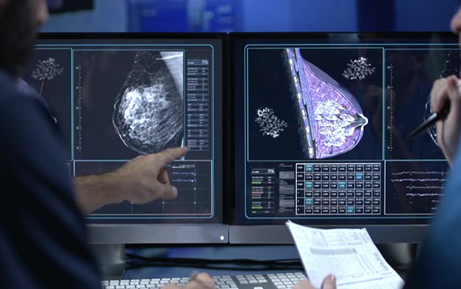
If breast cancer is suspected, the following tests are typically recommended:
- Clinical Breast Examination
A physical examination by a trained doctor to assess lumps or abnormalities.
- Mammography
An X-ray of the breast that helps detect abnormal growths, especially in women over 40.
- Ultrasound
Useful for distinguishing between solid lumps and fluid-filled cysts.
- MRI (If Required)
Provides detailed imaging in complex cases.
- Biopsy
The most definitive test. A small tissue sample is taken and examined under a microscope to confirm the presence of cancer cells.
Only a biopsy can confirm breast cancer. Imaging helps guide diagnosis but does not replace tissue confirmation.
What Happens After a Diagnosis?
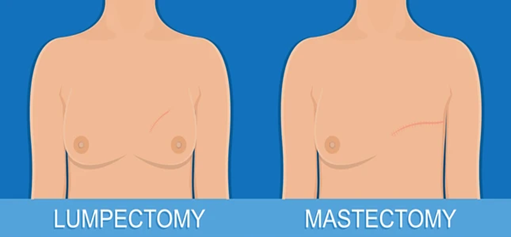
If breast cancer is confirmed, the next step is staging. Staging will help determine the extent to which the cancer has spread. Based on the stage and tumor type, treatment options may include:
* Surgery (lumpectomy or mastectomy)
* Chemotherapy
* Radiation therapy
* Hormone therapy
* Targeted therapy
Each patient is treated differently. Depending on the patient’s age, tumor size, lymph node involvement, and receptor status, treatment options may vary. As one of the best providers of breast cancer treatment in Bangalore, Dr. Sandeep Nayak stresses the importance of a multidisciplinary approach for optimal outcomes.
In early-stage cancers, treatment options may be less aggressive, and recovery chances are better.
Reducing the Risk of Breast Cancer
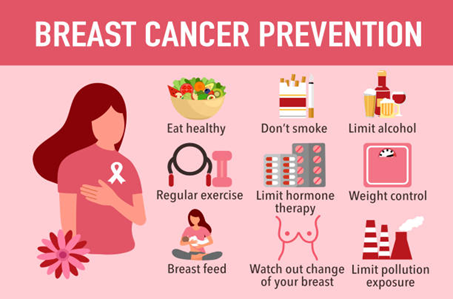
While not all cases of breast cancer can be prevented, certain lifestyle changes reduce risk:
- Maintain a healthy weight
- Exercise regularly
- Limit alcohol intake
- Avoid smoking
- Breastfeed if possible
- Undergo regular screening mammograms
- Know your family history
Women with a strong family history may benefit from genetic counseling. Early screening plays a vital role in detecting cancer before symptoms appear.
Being proactive about breast health can significantly reduce complications and improve long-term health.
Conclusion
Suspecting breast cancer can be stressful, but timely action makes a major difference. Recognizing the early signs of breast cancer, seeking prompt evaluation, and completing recommended tests are essential for better outcomes. Early detection often allows for more effective and less aggressive breast cancer treatment.
If you notice symptoms of breast cancer or have risk concerns, don’t delay consultation. With guidance from a qualified oncologist in Bangalore, such as Dr. Sandeep Nayak, you can receive an accurate diagnosis, personalized care, and advanced treatment. Early action supports better recovery and long-term health.
Frequently Asked Questions
1. What are the early signs of breast cancer?
2. Are all breast lumps cancerous?
3. At what age should I start breast cancer screening?
4. When should I see a doctor for breast symptoms?
5. Does breast pain mean breast cancer?
6. Can men get breast cancer?
7. Will I lose my breast if I have breast cancer?
Reference links:
https://www.cancercenter.com/cancer-types/breast-cancer/symptoms
https://my.clevelandclinic.org/health/diseases/3986-breast-cancer
Disclaimer: The information shared in this content is for educational purposes and not for promotional use.
