
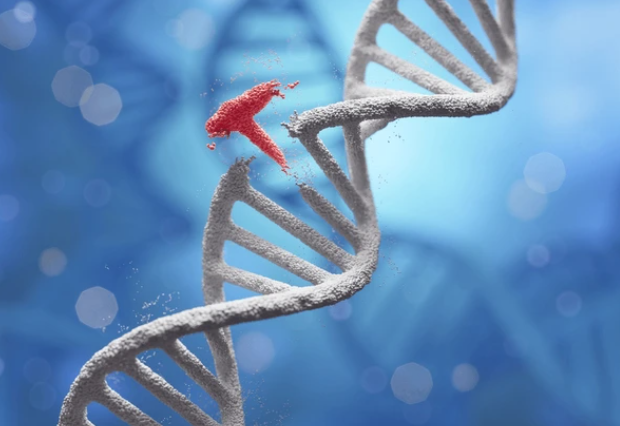
Yes, cancer is fundamentally a genetic disease because it is caused by changes (mutations) in genes that control normal cell growth and division. While all cancer involves genetic mutations at the cellular level, only about 5% to 10% of cancers are inherited (hereditary). The remaining 90–95% develop due to acquired mutations caused by aging, environmental exposure, lifestyle factors, or random cellular errors.
According to Dr. Sandeep Nayak,
“Determining whether cancer is hereditary helps guide screening and prevention, but most cancers arise from a mix of genetic, environmental, and lifestyle factors rather than direct inheritance.”
What Types of Cancer Are Commonly Hereditary?
Although most cancers are not inherited, some types are more strongly associated with genetic mutations.
- Breast and ovarian cancer: BRCA1 and BRCA2 gene mutations are commonly linked. Individuals with these mutations may require early screening and preventive strategies.
- Colorectal cancer: Lynch syndrome significantly increases the risk of colon and related cancers. Regular colonoscopy and genetic evaluation are often recommended.
- Prostate cancer: A strong family history can raise the likelihood of developing prostate cancer. In selected cases, genetic testing may be advised.
- Pancreatic cancer: Certain inherited gene mutations increase pancreatic cancer risk. High-risk individuals may benefit from specialized monitoring programs.
To better understand how nutritional deficiencies may relate to cancer risk and early warning signs, you can explore this detailed article on B12 Deficiency
How Can Genetic Cancer Risk Be Managed?
Managing hereditary cancer risk involves proactive screening and preventive care. Early detection significantly improves treatment success.
- Genetic testing: Testing identifies specific inherited mutations. It helps assess individual risk levels.
- Regular screening programs: Mammograms, colonoscopies, and other tests detect cancer early. High-risk individuals benefit from frequent monitoring.
- Preventive surgery: In selected cases, preventive removal of at-risk organs may reduce cancer probability. This is carefully planned after counseling.
- Lifestyle modifications: Healthy diet, exercise, and avoiding tobacco reduce overall cancer risk. These measures support preventive strategies.
In advanced and carefully selected cases, treatment options such as robotic cancer surgery may also be considered as part of a comprehensive cancer care approach.
Why Choose Dr. Sandeep Nayak for Hereditary Cancer Evaluation?
Dr. Sandeep Nayak is an experienced surgical oncologist in Bangalore specializing in advanced cancer diagnosis and treatment planning. With expertise in managing hereditary cancer risk and genetic cancer causes, Dr. Sandeep Nayak emphasizes early screening, accurate staging, and personalized surgical oncology care. His evidence-based approach helps individuals with a family history of cancer understand their risk and receive appropriate preventive or therapeutic intervention.
Frequently Asked Questions
What percentage of cancer is hereditary?
Approximately 5–10% of cancers are linked to inherited genetic mutations.
If my parent had cancer, will I get it?
Having a family history increases risk, but it does not guarantee cancer development.
Should I get genetic testing for cancer?
Genetic testing is recommended if you have a strong family history or early-age cancer cases in relatives.
Can genetic testing prevent cancer?
Genetic testing cannot prevent cancer, but it helps detect inherited risk early, allowing timely screening and preventive measures.
Reference links:
-
National Cancer Institute – Genetics of Cancer
https://www.cancer.gov/about-cancer/causes-prevention/genetics -
Centers for Disease Control and Prevention – Hereditary Cancer and Genetic Testing
https://www.cdc.gov/genomics/disease/cancer/hereditary_cancer.htm
Disclaimer: The information shared in this content is for educational purposes and not for promotional use.
