
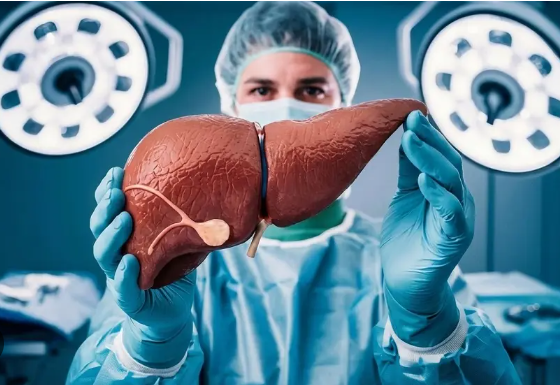
Minimally invasive cancer surgery in India takes out tumours through tiny cuts with a camera and thin instruments rather than cracking the body open, so you bleed less, hurt far less afterward, you’re home within days and honestly back to your life weeks before anyone who had the open version of the same operation would even be thinking about it.
According to Prof. Dr. Sandeep Nayak, Surgical Oncologist in India, “Minimally invasive cancer surgery in India has reached a level where patients at the right centres get outcomes that match open surgery with a fraction of the recovery burden.”
What Does Minimally Invasive Cancer Surgery Actually Involve?
These are the key things that happen during minimally invasive cancer surgery:
- Tiny holes: Two to four fingernail-sized cuts is genuinely all it takes and your body never has to manage a long open wound pulling and hurting through weeks of recovery you didn’t sign up for.
- Camera view: A tiny HD camera through one cut sends a live magnified picture to a screen in front of the surgeon and they watch that throughout rather than peering into an open cavity.
- Instruments do everything: Laparoscopic tools or robotic arms move through the other cuts to cut, staple and remove whatever needs to come out while the surgeon controls it all from outside your body.
- Clean exit: The tumour comes out through one port sometimes sealed in a bag, cuts get closed and that small collection of healing wounds is honestly all your body has to deal with afterward.
Patients who come through minimally invasive cancer surgery almost always say they can’t quite believe how manageable recovery was and they weren’t expecting it to go that way at all. Laparoscopic cancer surgery at a specialist centre now covers colorectal, gastric, kidney, liver, thyroid and other cancers in India with outcomes that hold firmly against open surgery.
Which Cancers Are Treated With Minimally Invasive Surgery in India?
These are the cancers where minimally invasive surgery is well established at specialist centres in India:
- Colorectal: High volume laparoscopic and robotic colorectal cancer surgery in India has years of proper outcomes data behind it now and cancer control consistently matches open surgery across the board.
- Thyroid: Techniques like RABIT mean the thyroid comes out through incisions hidden completely under clothing and you wake up with nothing on your neck at all which for a lot of patients is genuinely not a small thing.
- Kidney: The space the kidney sits in suits robotic work particularly well and patients consistently get less blood loss, less pain and a recovery timeline open nephrectomy patients would look at with envy.
- Prostate: Robotic prostatectomy is standard at serious oncology centres across India now and the precision it gives nerve sparing in the pelvis is something open surgery has never been able to reliably match.
Whether it fits your specific cancer, stage and location needs your imaging and a surgeon doing this at real volume not occasionally when it comes up. This is worth reading to understand what robotic and laparoscopic surgery actually changed for cancer patients in India.
Why Choose Dr. Sandeep Nayak for Cancer Treatment?
Dr. Sandeep Nayak got into minimally invasive cancer surgery over 15 years ago when most Indian oncology centres hadn’t committed to it yet and what came out of that is RABIT, MIND and RIA-MIND, techniques he built from scratch that nobody handed him. He chairs Oncology Services across Karnataka and sees patients at MACS Clinic in Bangalore. Dr. Nayak will look at your actual case, tell you honestly whether minimally invasive surgery is right for it and if open surgery fits better that’s what he’ll say rather than pushing a technique because it sounds good.
Frequently Asked Questions
What is minimally invasive cancer surgery in India?
Tumour removal through tiny cuts using a camera and instruments instead of a large open wound, with faster recovery and equivalent cancer control.
Is minimally invasive cancer surgery as effective as open surgery?
For the right cancers and stages yes, outcomes consistently match open surgery and recovery is significantly better.
Which cancers can be treated minimally invasively in India?
Colorectal, thyroid, kidney, prostate, adrenal and gynaecological cancers are all routinely done this way at specialist oncology centres.
How long is recovery after minimally invasive cancer surgery?
Most go home in two to five days and are back to normal in two to six weeks depending on what was done.
Reference links:
- National Cancer Institute. Surgery to Treat Cancer. https://www.cancer.gov/about-cancer/treatment/types/surgery
- American Cancer Society. Surgery for Cancer. https://www.cancer.org/cancer/managing-cancer/treatment-types/surgery.html
- Disclaimer: The information shared in this content is for educational purposes and not for promotional use.
