
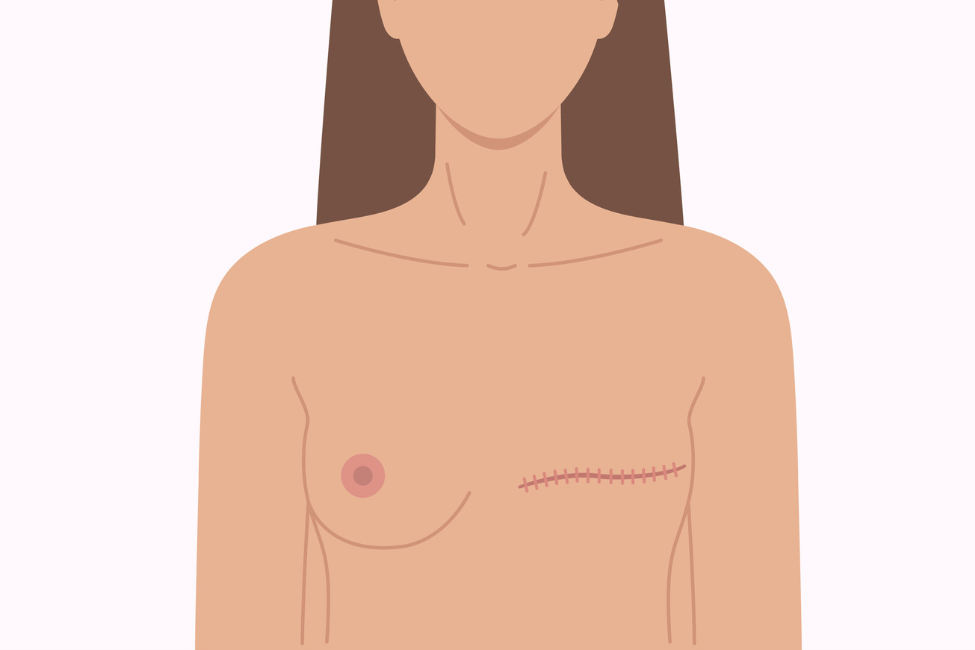
Full recovery from mastectomy surgery typically takes 3 to 6 weeks, with most patients returning to normal daily activities within 4 to 6 weeks after an initial hospital stay of two to three days. The exact timeline is highly individualized, depending on whether breast reconstruction was performed, the number of lymph nodes removed, and how the body responds to surgical trauma. Furthermore, the introduction of adjuvant treatments like chemotherapy or radiation can significantly shape the pace and experience of recovery in the following weeks.
According to Prof. Dr. Sandeep Nayak, Surgical Oncologist in India,
“Recovery after mastectomy isn’t just about the wound healing it’s about getting the patient fit enough to start the next phase of treatment on time, which is why how the surgical recovery is managed matters as much as the operation itself.”
Want to understand what mastectomy recovery looks like for your specific situation?
What Happens in the First Few Weeks After Mastectomy?
The early recovery period covers wound healing, drain management and restoring shoulder movement before adjuvant treatment begins.
- Hospital Stay: Most patients spend two to three days in hospital after mastectomy longer if immediate reconstruction was performed with the team monitoring the wound, drain output and any early signs of infection or fluid accumulation under the skin.
- Drain Management: A surgical drain stays in the axilla and chest wall for one to two weeks after discharge, collecting fluid that accumulates as the body heals patients go home with it in place and return for removal once daily output drops to an acceptable level.
- Wound Care: The incision site needs to stay dry and clean for the first week and activity restrictions prevent putting strain on the chest wall most patients can manage basic daily tasks like dressing and eating within a few days but heavy lifting stays restricted for several weeks.
- Shoulder Mobility: Arm and shoulder movement on the operated side needs gentle physiotherapy exercises starting within days of surgery to prevent stiffness, and breast cancer treatment teams provide an exercise programme before discharge so patients aren’t left to figure this out independently.
Pain in the first week is typically managed with oral medications and most patients find it significantly more manageable than they anticipated before the operation.
What Affects How Long Recovery Takes?
Several factors shape whether recovery moves quickly or gets complicated and understanding them helps patients set realistic expectations before surgery.
- Reconstruction Type: Immediate implant reconstruction adds minimal recovery time beyond mastectomy alone while flap-based reconstruction which moves tissue from the back or abdomen adds a donor site that also needs to heal, extending the full recovery period to eight to twelve weeks.
- Axillary Surgery: Patients who had full axillary lymph node dissection alongside mastectomy take longer to recover arm function and face higher lymphoedema risk than those who had only a sentinel node biopsy shoulder physiotherapy becomes more intensive and more important in this group.
- Adjuvant Treatment Timing: Chemotherapy or radiation starting four to six weeks after surgery means recovery has to progress well enough for the patient to tolerate systemic treatment on schedule delays in wound healing or complications push back the whole treatment plan.
- Overall Health and Fitness: Patients who entered surgery with good baseline fitness and nutrition recover faster and tolerate adjuvant treatment better, and robotic cancer surgery programmes increasingly include pre-operative prehabilitation to optimise patients before their operation date.
Recovery timelines vary between patients and the surgical team sets realistic expectations based on individual factors before discharge, and for more on supporting recovery through nutrition and lifestyle, our blog on diet tips covers this in detail.
Why Choose Dr. Sandeep Nayak for Breast Cancer Treatment ?
Dr. Sandeep Nayak brings 24 years of surgical oncology experience, DNB qualifications in Surgical Oncology and General Surgery and a fellowship in Laparoscopic and Robotic Onco-Surgery to every mastectomy including post-operative recovery planning and adjuvant treatment coordination. He heads Oncology Services across Karnataka and leads breast cancer surgery at KIMS Hospital, Bangalore, with originator credits for RABIT and over 25 published clinical studies. Patients wanting a clear picture of what recovery and treatment sequencing looks like after mastectomy are seen here with every decision going through tumour board review. Call +91 8104310753 to book your consultation.
Frequently Asked Questions
When can normal daily activities resume after mastectomy?
Most patients manage basic daily tasks within a few days and return to full normal activity within four to six weeks.
When does the surgical drain come out after mastectomy?
The drain typically comes out one to two weeks after surgery once daily fluid output has reduced to an acceptable level.
When can driving resume after mastectomy?
Most patients can drive again after two to three weeks once arm mobility has returned sufficiently and they are off strong pain medication.
When does chemotherapy or radiation start after mastectomy?
Adjuvant treatment typically begins four to six weeks after surgery once the wound has healed adequately.
References
-
- National Cancer Institute — Breast Cancer Surgery Recovery
- World Health Organization — Breast Cancer Treatment
- Disclaimer: The information shared in this content is for educational purposes and not for promotional use.
