
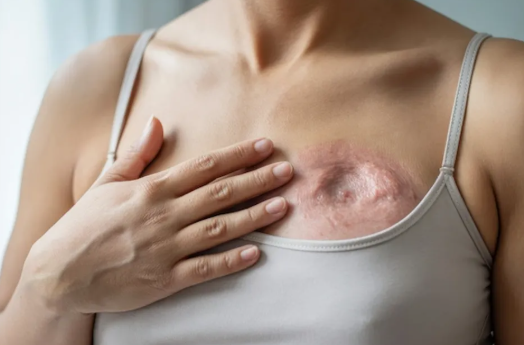
Removing the breast is the most visible change but not the only one. The chest wall, nerves, lymphatic system and shoulder on the operated side all respond to the surgery in ways that take weeks to months to settle. Most patients aren’t fully prepared for the range of physical and emotional changes that follow and understanding what to expect before the operation makes recovery considerably less frightening.
According to Prof. Dr. Sandeep Nayak, Surgical Oncologist in India, “preparing patients for what happens after mastectomy is as important as the surgery itself. The physical changes are predictable and manageable when patients know what’s coming and what to do about each one.”
Want to understand what mastectomy recovery actually looks like?
What Changes Happen Immediately After the Operation?
The first two to three weeks centre on wound healing, drain management and getting shoulder movement back before adjuvant treatment begins.
- Chest Numbness: Nerves in the chest wall and upper arm get divided during mastectomy and numbness or altered sensation in these areas is almost universal afterward. Some improvement happens over months but a degree of changed sensation in the chest typically remains.
- Surgical Drain: Most patients go home with a drain collecting fluid from the operated site and breast cancer treatment teams provide clear instructions for managing it until removal at one to two weeks post-surgery.
- Shoulder Tightness: The chest wall and shoulder feel restricted in the early weeks and targeted physiotherapy exercises starting within days of surgery prevent this from becoming a longer-term functional problem.
- Significant Fatigue: The body directs considerable energy toward healing in the first two to three weeks and reduced stamina during this period is a normal physiological response rather than a sign that something has gone wrong.
Most of these immediate changes settle progressively over four to six weeks though the pace varies between patients depending on reconstruction and how much axillary surgery was performed.
What Longer-Term Changes Should Patients Expect?
Some changes persist well beyond the initial healing period and patients who know about them in advance cope considerably better than those who encounter them without warning.
- Lymphoedema Risk: Patients who had axillary node dissection alongside mastectomy carry a lifelong risk of arm swelling on the operated side. Early physiotherapy, protecting that arm from injury and treating any hand or arm infection promptly all reduce the likelihood of it developing.
- Posture Shifts: Removing one breast changes weight distribution across the chest and some patients develop upper back discomfort or postural changes as the body adjusts. Appropriate prosthetics or reconstruction and targeted physiotherapy address this over time.
- Emotional Response: Body image changes after mastectomy are clinically significant and grief, anxiety or low mood related to how the body looks and feels are common. Psychological support alongside surgical follow-up is part of comprehensive robotic cancer surgery and conventional mastectomy aftercare at high-volume centres.
- Phantom Breast Sensation: Sensations that feel like they originate from the removed breast occur in some patients for months or even years after surgery. This is a known neurological phenomenon and carries no clinical significance for wound healing or reconstruction.
Recovery involves more than wound healing and for more on supporting the body through nutrition and lifestyle after cancer surgery, our blog on lifestyle tips covers this in detail.
Why Choose Dr. Sandeep Nayak for Breast Cancer Treatment?
Dr. Sandeep Nayak brings 24 years of surgical oncology experience, DNB qualifications in Surgical Oncology and General Surgery and a fellowship in Laparoscopic and Robotic Onco-Surgery to every mastectomy including thorough pre and post-operative patient preparation. He heads Oncology Services across Karnataka and leads breast cancer surgery at KIMS Hospital, Bangalore, with originator credits for RABIT and over 25 published clinical studies. Patients wanting a clear picture of what to expect before and after mastectomy are seen here with every decision going through tumour board review. Call +91 8104310753 to book your consultation.
Frequently Asked Questions
Does chest numbness after mastectomy go away completely?
Partial improvement occurs over months in most patients but some altered sensation in the chest wall typically remains permanently.
When does swelling after mastectomy fully resolve?
Most swelling settles within four to six weeks though fluid under the skin sometimes needs drainage at follow-up appointments.
Is feeling distressed about body changes after mastectomy normal?
Body image concerns after mastectomy are clinically recognised and psychological support is a standard part of comprehensive breast cancer aftercare.
Can full arm movement return after mastectomy with nodal surgery?
Most patients regain full or near-full arm function with consistent physiotherapy starting within days of the operation.
Reference Links-
- National Cancer Institute — Palliative Care in Cancer
- National Institutes of Health — Surgical Palliation in Oncology
- Disclaimer: The information shared in this content is for educational purposes and not for promotional use.
