
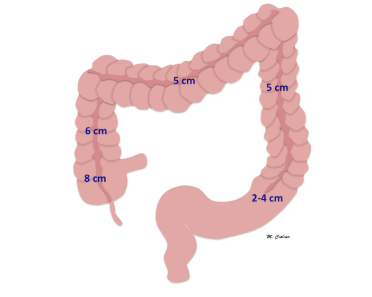
Multivisceral resection (MVR) is a complex, en bloc surgical procedure that removes a primary cancerous tumor along with one or more adjacent organs or tissues that have been invaded. Used primarily for advanced (T4) cancers most commonly colorectal, pancreatic, or gastric it aims for curative (R0) resection where complete removal was previously thought impossible.
According to Prof. Dr. Sandeep Nayak, Surgical Oncologist in India, “leaving an involved organ behind to make the operation easier is not actually easier for the patient. An incomplete cancer resection rarely changes the disease course in their favour.”
Dealing with a cancer that’s grown into surrounding structures and need an honest surgical assessment?
What Does the Procedure Actually Involve?
The operation looks different in every case but the governing principle stays fixed regardless of which organs end up being removed.
- En Bloc Removal: The tumour and every invaded adjacent structure come out as one connected piece, not separated and removed individually. Cutting through the point of invasion to remove organs separately risks leaving cancer cells precisely where the operation was meant to clear them.
- Which Organs Get Removed: Colorectal cancers growing into the bladder or uterus, gastric cancers reaching the spleen or pancreas tail, and pelvic tumours involving multiple adjacent structures are the most common scenarios where laparoscopic cancer surgery or open multivisceral resection becomes the plan.
- Reconstruction in the Same Session: Removing multiple organs creates defects that need repair before the patient leaves theatre. Bowel joins, urinary diversions and soft tissue coverage are all planned before the patient goes to the operating table.
- Long Operating Time: These procedures typically run six to ten hours and require a team experienced across multiple organ systems. A single specialist in one anatomical area isn’t the right surgeon for this operation.
Patient fitness, tumour extent and the realistic prospect of clear margins all determine whether the tumour board recommends this approach or a different one.
When Does the Team Recommend Multivisceral Resection?
The decision is never made lightly because the procedure carries real physiological burden and only makes clinical sense in specific circumstances.
- Locally Advanced Without Distant Spread: When a tumour has grown directly into a neighbouring organ but hasn’t reached distant sites, removing both structures together offers a genuine chance at curative resection. That window closes if distant metastases are present.
- Clear Margins Are Achievable: The entire point of the operation is complete tumour clearance. If the team believes clear margins across all removed structures are possible, the complexity is justified. If they’re not achievable even with multivisceral resection, the risk calculation shifts considerably.
- Patient Can Tolerate It: Six to ten hours of surgery followed by recovery from multiple organ removal demands good baseline fitness. Someone too frail or malnourished going in will not recover well regardless of how cleanly the operation goes, and robotic cancer surgery techniques at high-volume centres are increasingly applied in selected cases where minimally invasive approaches reduce the physiological burden.
- Tumour Board Consensus: No single surgeon decides to proceed with multivisceral resection alone. The full team reviews the case, the imaging, the fitness assessment and the realistic oncological benefit before any patient is listed for this operation.
Every multivisceral resection decision goes through full tumour board discussion first, and for more on how complex cancer surgery decisions are made, our blog on minimally invasive cancer surgery covers surgical approaches in detail.
Why Choose Dr. Sandeep Nayak for Cancer Surgery?
Dr. Sandeep Nayak brings 24 years of surgical oncology experience, DNB qualifications in Surgical Oncology and General Surgery and a fellowship in Laparoscopic and Robotic Onco-Surgery to complex multi-organ cancer resections across colorectal, gastric, gynaecological and retroperitoneal cancer types. He heads Oncology Services across Karnataka and leads cancer surgery at KIMS Hospital, Bangalore, with originator credits for RABIT, MIND and L-VEIL techniques and over 25 published clinical studies. Patients with locally advanced cancers invading adjacent structures are seen here with every decision going through tumour board review. Call +91 8104310753 to book your consultation.
Frequently Asked Questions
Which cancers most often require multivisceral resection?
Colorectal cancers invading the bladder or uterus, gastric cancers reaching the spleen or pancreas and pelvic tumours involving multiple adjacent structures.
How long does the surgery typically take?
Most multivisceral resections run between six and ten hours depending on which organs are involved and what reconstruction is performed.
Is multivisceral resection always done with curative intent?
In most cases it is performed with curative intent when no distant metastases are present and clear margins across all structures are achievable.
How long is recovery after multivisceral resection?
Recovery takes six to twelve weeks depending on which organs were removed and the extent of reconstruction performed during the operation.
Reference Links-
- National Cancer Institute — Cancer Surgery
- National Institutes of Health — Multivisceral Resection in Oncology
- Disclaimer: The information shared in this content is for educational purposes and not for promotional use.
