
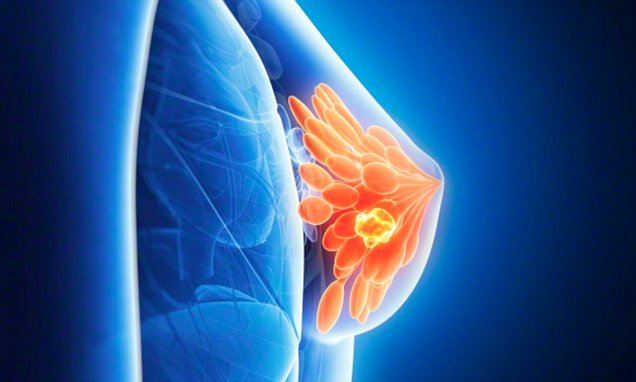
Two diagnoses. Both aggressive. Completely different treatment approaches. HER2 positive breast cancer grows because a specific protein on the cancer cell surface is overexpressed. Triple negative breast cancer has none of the three receptors most treatments target. Knowing which one a patient has changes everything from which drugs are used to when surgery happens to what the team watches for afterward.
According to Prof. Dr. Sandeep Nayak, Surgical Oncologist in India, “the subtype isn’t background detail it determines the sequence of treatment, the surgical timing and the surveillance plan afterward. Getting it right starts with the biopsy.”
Just diagnosed and want to understand what your breast cancer subtype means?
What Makes HER2 Positive Breast Cancer Distinct?
HER2 positive disease was once considered among the worst breast cancer diagnoses. Targeted therapy changed that dramatically.
- A Specific Target Exists: Trastuzumab and pertuzumab block the HER2 receptor directly and when added to chemotherapy they push complete pathological response rates significantly higher than chemotherapy alone achieves. Patients who reach complete response do markedly better long term.
- Chemotherapy Before Surgery: Neoadjuvant therapy runs first in most HER2 positive cases and breast cancer treatment surgery follows once the tumour has responded. The pathological result at surgery tells the team what maintenance therapy is needed and for how long.
- Brain Metastasis Is a Known Risk: HER2 positive breast cancer has a higher tendency than hormone positive cancers to spread to the brain. Post-treatment surveillance accounts for this and any new neurological symptoms get investigated promptly rather than attributed to other causes.
- Outcomes Have Improved Substantially: Complete pathological response rates in HER2 positive disease now exceed those of most other aggressive breast cancer subtypes when targeted therapy and chemotherapy are combined correctly before surgery.
The availability of effective targeted drugs has made HER2 positive one of the more treatable aggressive subtypes when managed at a centre experienced in sequencing the treatment correctly.
How Is Triple Negative Breast Cancer Different?
No oestrogen receptor. No progesterone receptor. No HER2. That absence of targets shaped how triple negative breast cancer was managed for years and newer treatments are only now changing what’s achievable.
- Chemotherapy Is the Foundation: There’s no hormone therapy and no HER2 blocker to use. Chemotherapy does the heavy lifting systemically and most locally advanced triple negative cases receive it before surgery to assess the tumour’s response while treatment is still running.
- Response Rates Can Be High: Triple negative tumours often respond dramatically to chemotherapy. Some disappear almost completely before surgery. Patients who achieve complete pathological response do well long term and robotic cancer surgery or conventional breast surgery in those cases is confirming clearance rather than removing active disease.
- Residual Disease Is the Problem: Patients with significant cancer remaining in the surgical specimen after neoadjuvant chemotherapy face a harder prognosis than their HER2 positive counterparts in the same situation. This is where newer agents like capecitabine and immunotherapy are increasingly being used.
- Recurrence Peaks Early: Most triple negative recurrences happen within three years of treatment. Beyond five years without recurrence the risk drops sharply — quite different from hormone positive breast cancer which can return a decade or more later.
Both subtypes are manageable with the right plan and for more on breast surgery options after diagnosis, our blog on breast reconstruction covers post-surgical care in detail.
Why Choose Dr. Sandeep Nayak for Breast Cancer Treatment?
Dr. Sandeep Nayak brings 24 years of surgical oncology experience, DNB qualifications in Surgical Oncology and General Surgery and a fellowship in Laparoscopic and Robotic Onco-Surgery to breast cancer cases across all subtypes including HER2 positive and triple negative. He heads Oncology Services across Karnataka and leads breast cancer surgery at KIMS Hospital, Bangalore, with originator credits for RABIT and over 25 published clinical studies. Patients wanting subtype-specific surgical planning are seen here with every decision going through tumour board review. Call +91 8104310753 to book your consultation.
Frequently Asked Questions
Is HER2 positive or triple negative breast cancer more treatable?
HER2 positive disease has effective targeted therapy today making it one of the more treatable aggressive subtypes when managed correctly.
Does triple negative breast cancer always need chemotherapy?
Chemotherapy is the primary systemic treatment for triple negative breast cancer as no hormone or targeted therapy applies to it.
Can triple negative breast cancer patients achieve complete pathological response?
Complete response after neoadjuvant chemotherapy is achievable and carries significantly better long-term prognosis when reached.
Which subtype recurs earlier after treatment?
Triple negative breast cancer recurs most often within the first three years while HER2 positive disease carries a specific brain metastasis risk.
Reference Links-
- National Cancer Institute — Breast Cancer Treatment by Subtype
- National Institutes of Health — HER2 and Triple Negative Breast Cancer
- Disclaimer: The information shared in this content is for educational purposes and not for promotional use.
