
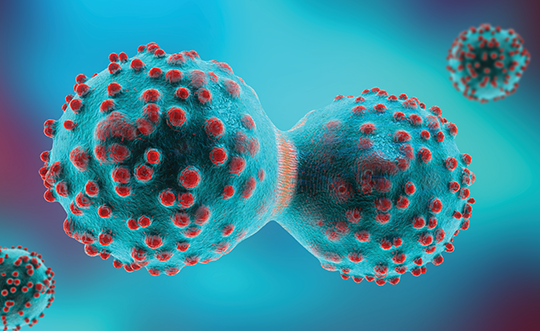
Stress alone does not cause cancer. No published human study has confirmed a direct causal link between a stressful life event and tumour formation. What chronic stress does is suppress immune surveillance, elevate cortisol and inflammatory markers persistently over time, and drive behaviours like poor sleep, smoking, excess alcohol and physical inactivity that are independently proven cancer risk factors. The biology is real. The link is indirect. And patients who blame their stress for causing their cancer deserve a more accurate explanation than the one they usually get.
According to Prof. Dr. Sandeep Nayak, Surgical Oncologist in India,
“Stress doesn’t flip a switch and create tumours. But years of unmanaged chronic stress creates internal biological conditions that make cancer development more likely over time. That distinction matters clinically and for how patients understand their own diagnosis.”
Worried about stress and cancer risk and want a proper clinical assessment?
What Does Chronic Stress Actually Do to the Body?
Several of the biological effects of sustained chronic stress create conditions that are directly relevant to cancer risk over years, not weeks.
- Cortisol Suppresses Immune Surveillance: Prolonged cortisol elevation reduces natural killer cell activity and T-cell function, both of which identify and destroy abnormal cells before they establish themselves and breast cancer treatment outcomes are measurably worse in patients with documented chronic psychological distress at diagnosis.
- Chronic Inflammation Damages DNA: Sustained stress drives low-grade systemic inflammation through cortisol and catecholamine pathways and persistent inflammation damages DNA over time in ways that raise mutation rates, which is where the biological plausibility of a stress-cancer relationship actually sits.
- Stress Hormones Can Promote Tumour Microenvironment Changes: Animal studies show that norepinephrine released during chronic stress promotes angiogenesis and can accelerate tumour growth in established cancers, though whether this translates directly to humans at clinically meaningful levels is still being investigated.
- Behaviour Is Where the Real Risk Accumulates: Chronically stressed people sleep less, exercise less, eat poorly and are significantly more likely to smoke and drink heavily, all of which are established direct cancer risk factors rather than indirect ones operating through a hormonal pathway.
The real story about stress and cancer runs through immune suppression, inflammation and behaviour rather than through any single direct biological mechanism.
What Can Be Done to Manage Stress and Reduce Cancer Risk?
The evidence base for stress reduction reducing cancer risk is still developing but the downstream benefits for immunity, inflammation and behaviour are well established enough to act on.
- Structured Physical Activity: Regular moderate exercise is the single most evidence-backed intervention for reducing cancer risk and it simultaneously reduces cortisol, improves immune function and cuts inflammation making it the most clinically useful stress management tool available.
- Sleep Quality Matters Independently: Poor sleep from chronic stress suppresses immune function through separate pathways from cortisol and robotic cancer surgery and other treatment outcomes are affected by sleep quality, making sleep restoration a legitimate clinical priority rather than a wellness preference.
- Psychological Support During Treatment: Cancer patients with diagnosed anxiety and depression have worse treatment adherence, higher complication rates and lower survival in several cancer types and psychological intervention is now standard of care at comprehensive cancer centres rather than optional.
- Eliminating Stress-Driven Risk Behaviours: Addressing smoking and alcohol use driven by chronic stress removes the most modifiable cancer risk factors directly, which produces more measurable risk reduction than any intervention targeted at the hormonal stress response itself.
Understanding that stress contributes to cancer risk indirectly rather than directly empowers patients to act on the modifiable factors, and for more on how second opinions help patients understand their diagnosis clearly, our blog on second opinion covers this in detail.
Why Choose Dr. Sandeep Nayak for Cancer Treatment ?
Dr. Sandeep Nayak brings 24 years of surgical oncology experience, DNB qualifications in Surgical Oncology and General Surgery and a fellowship in Laparoscopic and Robotic Onco-Surgery to cancer assessment including honest conversations about risk factors, patient psychology and how biological and behavioural factors interact in cancer development. He heads Oncology Services across Karnataka and leads cancer surgery at KIMS Hospital, Bangalore, with originator credits for RABIT, MIND and L-VEIL techniques and over 25 published clinical studies. Patients wanting a clear clinical picture of their cancer risk and what they can actually do about it are seen here with every decision going through tumour board review. Call +91 8104310753 to book your consultation.
Frequently Asked Questions
Does stress directly cause cancer to develop?
No direct causal link exists between stress and tumour formation but chronic stress creates biological and behavioural conditions that raise cancer risk over time.
Can reducing stress lower cancer risk?
Reducing stress indirectly lowers cancer risk by improving immune function, reducing inflammation and cutting stress-driven behaviours like smoking and excessive alcohol use.
Does stress make existing cancer grow faster?
Animal studies show stress hormones can promote tumour microenvironment changes but direct evidence in humans at clinically meaningful levels is still being actively investigated.
Should cancer patients receive psychological support alongside treatment?
Psychological support is now standard of care at comprehensive cancer centres because anxiety and depression independently affect treatment adherence, complication rates and survival outcomes.
Reference Links-
- National Cancer Institute — Psychological Stress and Cancer
- World Health Organization — Cancer Risk Factors
- Disclaimer: The information shared in this content is for educational purposes and not for promotional use.
