
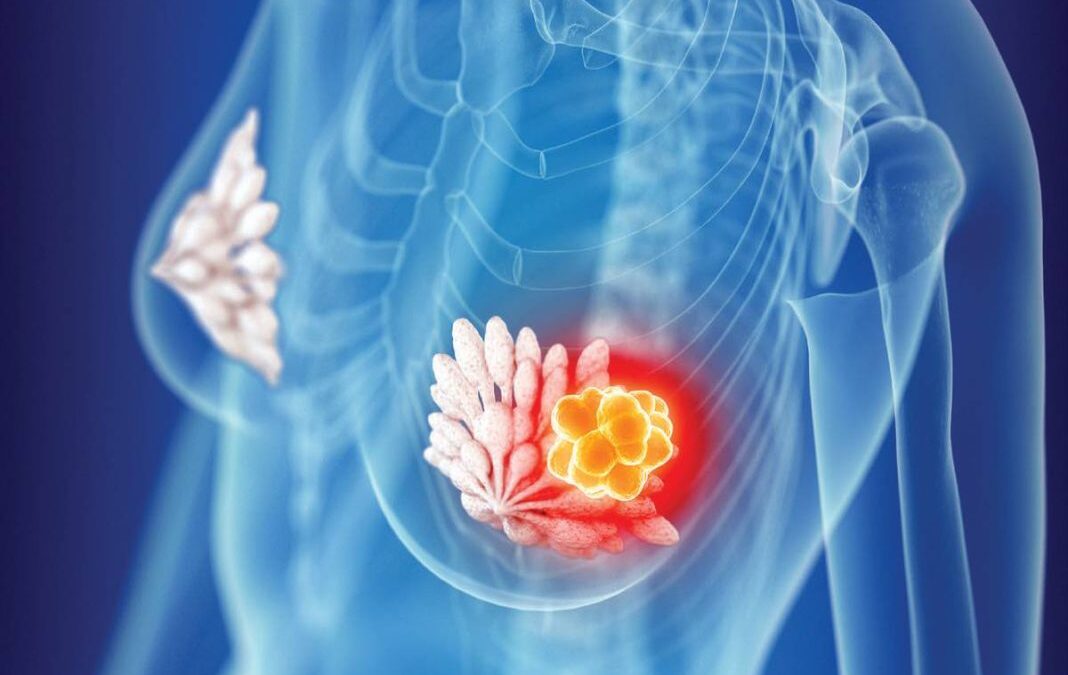
In early stage breast cancer, Stage 1 and Stage 2, surgery is the first treatment. The tumour is contained, lumpectomy or mastectomy is performed upfront and chemotherapy or radiation follows based on pathology findings. In locally advanced breast cancer, Stage 3, the disease has grown into skin, chest wall or multiple lymph nodes. Surgery cannot open the plan because immediate resection with clear margins is not reliably achievable. Neoadjuvant chemotherapy runs first, the tumour is reassessed after response and mastectomy follows. The extent of axillary surgery, the radiation plan and the reconstruction approach all shift significantly between these two disease states.
According to Prof. Dr. Sandeep Nayak, Surgical Oncologist in India,
“Early breast cancer and locally advanced breast cancer are not just different points on a staging scale. They require fundamentally different surgical plans and treating them the same way produces worse outcomes for the locally advanced group.”
Diagnosed with breast cancer and want to understand what your stage means for surgery?
How Is Surgery Planned in Early Stage Breast Cancer?
Early stage breast cancer is directly operable at diagnosis and surgery opens the treatment plan without requiring prior systemic treatment.
- Upfront Lumpectomy or Mastectomy: Stage 1 and most Stage 2 tumours are resected immediately based on tumour size relative to breast volume and patient preference and breast cancer treatment guidelines confirm lumpectomy is oncologically equivalent to mastectomy in appropriately selected early-stage cases.
- Sentinel Node Biopsy in the Same Session: Axillary staging runs at the time of primary surgery through sentinel node biopsy and the result directly determines whether adjuvant chemotherapy is indicated and what axillary management is appropriate going forward.
- Pathology Shapes the Entire Adjuvant Plan: Margin status, nodal count, receptor profile and tumour grade from the surgical specimen drive all downstream treatment decisions rather than relying on pre-operative imaging estimates alone, which is a key clinical advantage of operating first.
- Radiation Is Stage and Pathology Dependent: Lumpectomy requires radiation to the remaining breast tissue in all cases. Post-mastectomy radiation at Stage 1 and early Stage 2 is applied selectively based on nodal involvement and margin findings rather than as a standard protocol for every patient.
Surgery first in early breast cancer provides both definitive local treatment and the pathological information that the rest of the treatment plan is built on.
Early Stage vs Locally Advanced Breast Cancer: How Surgery Differs
|
Early Stage (1 and 2) |
Locally Advanced (Stage 3) |
|
|
Surgery Timing |
Upfront, no prior treatment |
After neoadjuvant chemotherapy |
|
Operation Type |
Lumpectomy or mastectomy |
Mastectomy more common |
|
Axillary Surgery |
Sentinel node biopsy standard |
Full dissection often required |
|
Chest Wall Radiation |
Selective based on pathology |
Standard after mastectomy |
|
Treatment Sequence |
Surgery first, adjuvant after |
Chemotherapy first, surgery after |
|
Pathology Role |
Guides adjuvant plan |
Confirms neoadjuvant response |
- Chemotherapy Runs Before Surgery in Stage 3: Tumours fixed to skin or chest wall or with matted nodal disease require systemic treatment before the operation to achieve resectability and robotic cancer surgery or conventional mastectomy is planned once imaging confirms adequate tumour response to neoadjuvant treatment.
- Mastectomy Is the More Frequent Outcome: Even after good chemotherapy response, the extent of original Stage 3 disease makes achieving reliably clear margins through lumpectomy technically difficult in most cases, making mastectomy the more common operative result at this stage.
- Full Axillary Dissection More Often Required: Stage 3 cases with confirmed pre-treatment nodal disease typically need full axillary lymph node clearance rather than sentinel biopsy alone given the disease burden that existed in the axilla before systemic treatment began.
- Post-Mastectomy Radiation Is Standard Not Selective: At Stage 3, radiation to the chest wall and regional nodes after mastectomy is standard protocol rather than a decision made case by case, because local control through surgery alone is insufficient given the original extent of disease.
Stage determines the entire surgical approach and for more on how breast cancer stages are defined, our blog on breast cancer stages covers this in detail.
Why Choose Dr. Sandeep Nayak for Breast Cancer Treatment?
Dr. Sandeep Nayak brings 24 years of surgical oncology experience, DNB qualifications in Surgical Oncology and General Surgery and a fellowship in Laparoscopic and Robotic Onco-Surgery to breast cancer surgery across all stages including early-stage lumpectomy and mastectomy and locally advanced cases requiring neoadjuvant coordination before surgery. He heads Oncology Services across Karnataka and leads breast cancer surgery at KIMS Hospital, Bangalore, with originator credits for RABIT and over 25 published clinical studies. Patients wanting a clear surgical plan based on their specific stage are seen here with every decision going through tumour board review. Call +91 8104310753 to book your consultation.
Frequently Asked Questions
What is the main difference in surgery between early and locally advanced breast cancer?
Early breast cancer is operated on first. Locally advanced breast cancer requires neoadjuvant chemotherapy before surgery to achieve resectability with clear margins.
Can locally advanced breast cancer be treated with lumpectomy?
Lumpectomy is possible in selected locally advanced cases after excellent neoadjuvant response but mastectomy is the more common surgical outcome at Stage 3.
Is post-mastectomy radiation standard for locally advanced breast cancer?
Radiation to the chest wall and regional nodes after mastectomy is standard protocol for Stage 3 disease rather than applied selectively based on individual pathology findings.
Does axillary surgery differ between early and locally advanced breast cancer?
Sentinel node biopsy is standard in early breast cancer. Full axillary dissection is more frequently required in locally advanced cases with confirmed pre-treatment nodal involvement.
Reference Links-
- National Cancer Institute — Breast Cancer Treatment by Stage
- World Health Organization — Breast Cancer Treatment
- Disclaimer: The information shared in this content is for educational purposes and not for promotional use.
