
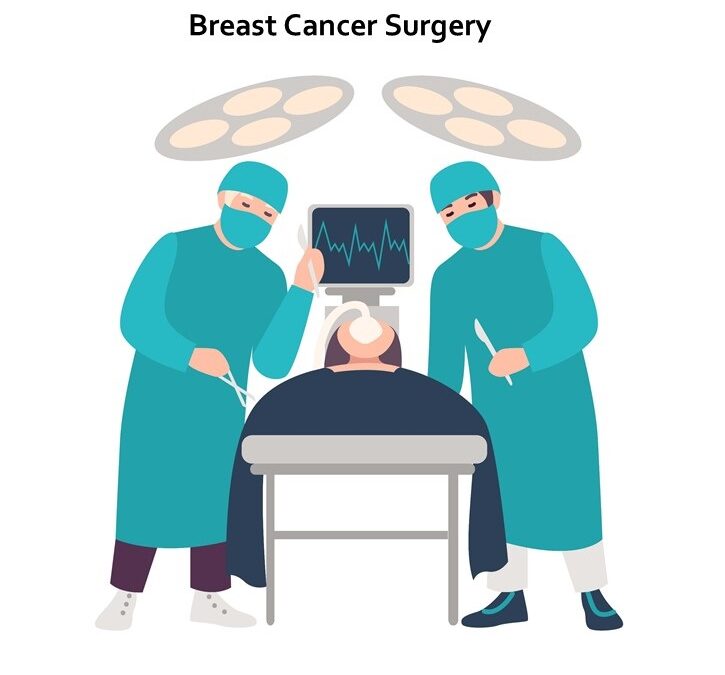
A positive surgical margin means cancer cells were found at or very close to the cut edge of the tissue removed during lumpectomy or mastectomy. The tumour wasn’t fully cleared. What follows depends on how extensive the positivity is, which cancer subtype is involved and what operation was originally performed. The two main responses are re-excision surgery to remove more tissue or radiation to the operative site to address residual microscopic disease without going back to theatre.
According to Prof. Dr. Sandeep Nayak, Surgical Oncologist in India,
“A positive margin isn’t a failure. It’s information. It tells us the plan needs to continue and we respond with the most appropriate next step for that specific patient.”
Received a positive margin result and need clarity on what comes next?
What Does a Positive Margin Result Actually Tell the Team?
The pathology report shapes exactly how the team responds and which options are on the table.
- Cancer at the Cut Edge: Pathology found cancer cells at or within 1mm of the resection edge, meaning microscopic disease may remain in tissue left behind after the operation rather than being fully removed with the specimen.
- Not All Positive Margins Carry Equal Risk: A focal positive margin at one small point differs clinically from a broadly positive margin and breast cancer treatment planning responds to these two findings very differently in how urgently further intervention is pursued.
- Cancer Biology Changes the Response: Triple negative and HER2 positive cancers with a positive margin carry a different local recurrence risk than hormone receptor positive cancers with the same finding and the subtype directly shapes how aggressively the margin gets addressed.
- Tumour Board Decides Before Anything Happens: The full oncology team reviews pathology and operative details together before the next step is confirmed and no single clinician manages a positive margin finding independently.
A positive margin means the local treatment isn’t complete yet, not that the cancer has spread or that the situation is unmanageable.
What Are the Options After a Positive Margin Finding?
The right response depends on margin extent, the operation performed, the cancer subtype and whether re-excision is technically and cosmetically feasible.
- Re-excision Surgery: Returning to theatre to take more tissue from the affected area is the most direct response and robotic cancer surgery or conventional re-excision is typically scheduled once the patient has healed adequately from the original operation.
- Mastectomy When Re-excision Fails: When clear margins can’t be achieved through repeated lumpectomy re-excision, conversion to mastectomy becomes the appropriate next step with reconstruction discussed as part of the plan from the outset.
- Radiation as an Alternative: In selected cases where re-excision would compromise breast appearance or function, radiation to the operative bed addresses residual microscopic disease without a return to theatre and is supported by current clinical evidence in specific scenarios.
- Intraoperative Frozen Section Prevents Some Positive Margins: High-volume centres assess margins during the original operation allowing the surgeon to take more tissue immediately if the initial margin is too close, reducing positive margin rates before the patient leaves theatre.
Managing a positive margin benefits from specialist review and for more on how second opinions change cancer treatment plans, our blog on second opinion in cancer diagnosis covers this in detail.
Why Choose Dr. Sandeep Nayak for Breast Cancer Treatment?
Dr. Sandeep Nayak brings 24 years of surgical oncology experience, DNB qualifications in Surgical Oncology and General Surgery and a fellowship in Laparoscopic and Robotic Onco-Surgery to every breast cancer resection including re-excision planning after positive margin findings. He heads Oncology Services across Karnataka and leads breast cancer surgery at KIMS Hospital, Bangalore, with originator credits for RABIT and over 25 published clinical studies. Patients dealing with positive margin results and uncertain next steps are assessed here with every decision going through tumour board review. Call +91 8104310753 to book your consultation.
Frequently Asked Questions
Does a positive surgical margin mean the cancer has spread?
A positive margin means residual microscopic disease may be present at the surgical site, not that cancer has spread to other parts of the body.
Is re-excision always required after a positive margin?
Re-excision is the most common response but radiation is an alternative in selected cases where further surgery is technically or cosmetically not feasible.
How soon after a positive margin result does re-excision happen?
Re-excision is typically scheduled within two to four weeks of the original operation once the wound has healed sufficiently for a return to theatre.
Can a positive margin be managed without further surgery?
In selected cases with focal positivity after lumpectomy, radiation to the breast provides equivalent local control to re-excision based on current clinical evidence.
Reference Links-
- National Cancer Institute — Breast Cancer Surgery and Margins
- World Health Organization — Breast Cancer Treatment
- Disclaimer: The information shared in this content is for educational purposes and not for promotional use.
