
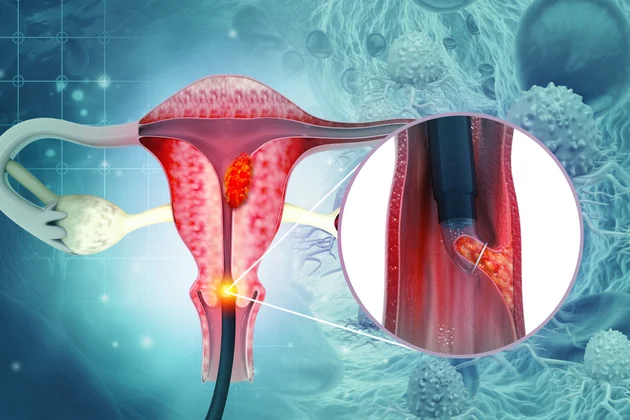
The HPV vaccine prevents infection with the high-risk HPV strains responsible for approximately 70 percent of all cervical cancers, primarily HPV 16 and HPV 18. Cervical cancer is the second most common cancer in Indian women. Vaccination before first sexual exposure provides the strongest protection and is most effective between ages 9 and 14. Vaccinated women still require regular cervical screening because the vaccine does not cover all oncogenic HPV strains and provides no protection against HPV infection acquired before vaccination.
According to Prof. Dr. Sandeep Nayak, Surgical Oncologist in India,
“The HPV vaccine is one of the few interventions in oncology that actually prevents cancer rather than treating it. The challenge in India is that too many eligible girls are missing it and too many vaccinated women think they no longer need Pap smears.”
Want a specialist assessment for cervical cancer risk or an abnormal Pap smear result?
How Does the HPV Vaccine Prevent Cervical Cancer?
The vaccine works by generating antibodies against specific HPV strains before exposure occurs, preventing the persistent infection that drives cervical precancer and cancer development.
- Targets High-Risk Strains: HPV 16 and HPV 18 together cause approximately 70 percent of all cervical cancers and uterus and cervical cancer prevention at the population level depends on achieving high vaccination coverage against these two strains specifically rather than against HPV infection broadly.
- Most Effective Before Exposure: The vaccine produces optimal antibody response when given before first sexual activity, which is why the primary target age is 9 to 14 years and effectiveness drops significantly in women who have already been exposed to the strains the vaccine covers.
- Three Vaccines Available in India: Cervarix covers HPV 16 and 18. Gardasil 4 adds HPV 6 and 11. Gardasil 9 covers nine strains including additional high-risk types and offers the broadest protection currently available against both cervical cancer and other HPV-related cancers.
- Screening Still Required: Even fully vaccinated women require cervical screening from age 21 to 25 because the vaccine does not cover all oncogenic strains and protects only against new infection, meaning women with prior HPV exposure remain at risk for that specific strain.
Vaccination and cervical screening are complementary strategies. Neither replaces the other in a comprehensive cervical cancer prevention programme.
Who Should Get the HPV Vaccine in India and When?
Age at vaccination and prior HPV exposure determine how much protection the vaccine provides in any individual.
- Primary Target Group: Girls aged 9 to 14 receive the strongest immune response and maximum cancer prevention benefit with a two-dose schedule and robotic cancer surgery for cervical cancer is far less likely to be needed in populations with high HPV vaccination coverage in adolescent girls.
- Women 15 to 26: A three-dose schedule is recommended for women in this age group who have not been previously vaccinated, accepting that some prior HPV exposure may have occurred and that the vaccine still provides meaningful protection against strains not yet encountered.
- Women 27 to 45: Vaccination is available and discussed with a doctor on a case-by-case basis. Benefit is lower because prior HPV exposure is more likely but protection against strains not yet encountered remains clinically meaningful for some women in this age group.
- Boys and Men: HPV vaccination in males prevents HPV transmission, protects against penile, anal and oropharyngeal cancers caused by the same high-risk strains and contributes to population-level herd protection that reduces HPV prevalence in women.
HPV vaccination prevents cancer at source and for more on navigating cancer decisions with specialist input, our blog on second opinion in cancer diagnosis covers this in detail.
Why Choose Dr. Sandeep Nayak for Cervical Cancer Treatment ?
Dr. Sandeep Nayak brings 24 years of surgical oncology experience, DNB qualifications in Surgical Oncology and General Surgery and a fellowship in Laparoscopic and Robotic Onco-Surgery to cervical cancer surgery including robotic-assisted radical hysterectomy and lymph node dissection at KIMS Hospital, Bangalore. He heads Oncology Services across Karnataka with originator credits for RABIT, MIND and L-VEIL techniques and over 25 published clinical studies. Patients with abnormal cervical screening results, HPV-related disease or confirmed cervical cancer are seen here with every case reviewed through tumour board. Call +91 8104310753 to book your consultation.
Frequently Asked Questions
Does the HPV vaccine completely prevent cervical cancer?
The HPV vaccine prevents up to 90 percent of cervical cancers caused by covered strains but vaccinated women still require regular Pap smear and HPV screening throughout their lives.
At what age is the HPV vaccine most effective in India?
The vaccine is most effective between ages 9 and 14 before first sexual exposure and is given as two doses at this age rather than the three-dose schedule required for older recipients.
Can the HPV vaccine be given to women over 30 in India?
The vaccine is available for women up to age 45 with a doctor’s guidance but benefit is lower in older women because prior HPV exposure to covered strains is more likely.
Does the HPV vaccine protect against all types of cervical cancer?
The vaccine does not protect against all cervical cancer-causing HPV strains, which is why regular cervical screening remains essential even after complete vaccination.
Reference Links-
- National Cancer Institute — HPV Vaccines and Cervical Cancer
- World Health Organization — Human Papillomavirus and Cervical Cancer
- Disclaimer: The information shared in this content is for educational purposes and not for promotional use.
