
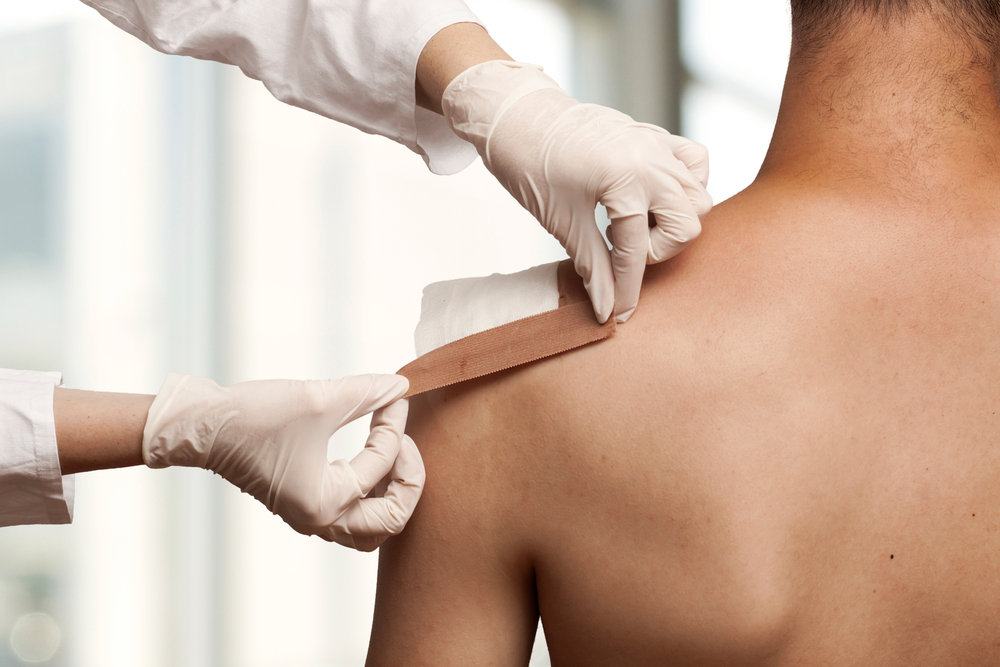
Home wound care comes down to four simple steps: keep the wound clean, keep it dry, follow the dressing schedule your surgeon gave you, and watch for warning signs. Wash your hands before touching the area, gently clean as instructed, change the dressing on the schedule advised, and keep the wound dry between showers. Most wounds heal smoothly with this routine, but redness, swelling, fever or pus mean call your team straight away.
According to Prof. Dr. Sandeep Nayak, Surgical Oncologist in India, “Wound care at home is one of the easiest things to get right, yet anxiety makes patients overthink it. Simple, consistent steps matter far more than fancy products, and knowing the few warning signs matters more than checking the wound ten times a day.”
Unsure how to care for your wound at home?
What Are the Basic Steps?
Good wound care isn’t complicated, it’s about doing the same simple things consistently.
- Clean hands: Always wash your hands thoroughly before touching anything near the wound, since most home wound infections start with hand bacteria.
- Gentle clean: Clean the wound only as instructed by your team, usually with sterile saline or as the discharge sheet says, not antiseptics that delay healing.
- Dry well: Pat the area dry gently with a clean towel after cleaning, since moisture trapped under a dressing is what breeds infection.
- Right dressing: Use the type your surgeon recommended and change it on the schedule given, neither too often nor left on longer than advised.
So basic, consistent steps cover most of what wound care really needs. For the wider recovery picture and what can go wrong, our blog on robotic surgery risks covers the full range of post-op situations.
When Should You Worry About a Wound?
Most warning signs are easy to spot if you know what to look for.
- Spreading redness: A red rim that widens past the wound edge over a day or two suggests infection, rather than the normal pink healing line.
- New swelling: Swelling that builds after the first few days, not settles, points to fluid build-up or infection underneath the skin.
- Pus appears: Yellow, green or cloudy discharge isn’t normal healing fluid and means infection that needs medical review the same day.
- Fever rises: A temperature of 38°C or above alongside a wound problem is a clear sign to call your team, never wait it out.
So redness, swelling, pus and fever are the four to watch. For patients whose procedure was carried out using robotic cancer surgery, wound care is usually simpler because the incisions are far smaller to begin with.
Why Choose Dr. Sandeep Nayak for Your Cancer Surgery?
Dr. Sandeep Nayak brings 24 years of surgical oncology experience, DNB qualifications in Surgical Oncology and General Surgery and a fellowship in Laparoscopic and Robotic Onco-Surgery to surgery across all cancer types. His team gives clear, written wound-care instructions before discharge, so patients leave knowing exactly what to do at home and when to call.
That clarity is what makes home recovery confident, not anxious. Every case at MACS Clinic goes through a full tumour board, where the recovery plan is set alongside the surgical plan. Call +91 8104310753 to book your consultation.
Frequently Asked Questions
How do I care for my wound at home?
Keep it clean, dry and covered as advised by your surgeon.
Can I shower with stitches?
Usually after 48 hours, with the wound kept dry and gently patted.
When should I worry about my wound?
Watch for redness, swelling, fever, pus or worsening pain.
How often should I change the dressing?
Follow your surgeon’s instructions, usually every one to three days.
References:
- National Cancer Institute — Surgery to Treat Cancer. https://www.cancer.gov/
- World Health Organisation — Cancer. https://www.who.int/news-room/fact-sheets/detail/cancer
