
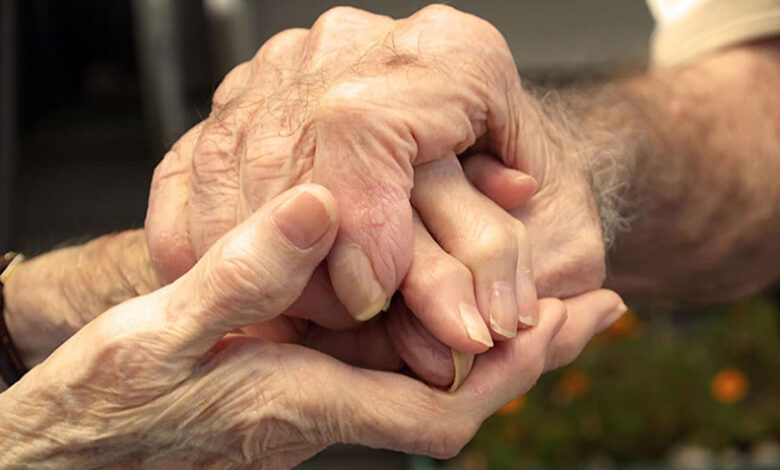
The belief that cancer is a curse, a punishment or the result of bad karma comes from a generation that watched relatives die without treatment. In their time, diagnoses were late, options were few, and outcomes were poor, which made the disease feel like fate. Cancer is actually a biological condition caused by abnormal cell growth, and modern treatment now cures many cases caught early. The belief deserves understanding, not dismissal.
According to Prof. Dr. Sandeep Nayak, Surgical Oncologist in India, “The curse belief makes sense when you understand the world it grew up in, families lost loved ones quickly, with no answers and no treatment. My job isn’t to argue with that grief, it’s to show what cancer actually is today, and how often we can change the outcome.”
Family elders worried cancer means the worst?
Where Does the Curse Belief Come From?
The fear isn’t irrational, it grew from a real history of helplessness in front of the disease.
- Late diagnosis: Decades ago, most cancers were found at stage four when nothing could be done, which made every diagnosis a death sentence in family memory.
- No treatment: Modern chemotherapy, radiation and surgery either didn’t exist or weren’t available locally, so families simply watched the disease run its course.
- Heavy stigma: Cancer was rarely spoken about openly, which left families isolated and made each death feel cursed rather than medical.
- Karmic framing: Cultural and religious lenses gave a frightening, unexplainable disease a meaning, which is how the curse and punishment ideas took root.
So the belief came from a real history, not ignorance. For patients whose treatment includes surgery, robotic cancer surgery is one of many modern tools that have rewritten what’s possible since that earlier generation.
How Do You Help Elders Understand?
Changing the belief takes patience and the right kind of conversation, not a debate.
- Listen first: Hear what they’re really afraid of, often a specific loss they remember, before trying to correct any belief about cancer itself.
- Share statistics: Many cancers today have cure rates above seventy percent when caught early, which is the simple fact most elders have never been told.
- Visit doctor: Bringing them to a proper oncology consultation often changes minds faster than any conversation, because they hear it from a specialist directly.
- Show success: Knowing real people who’ve survived cancer or were cured genuinely shifts the framing from cursed to treatable.
So the conversation moves the belief, not arguments. When families remain uncertain about a plan, getting a second opinion often gives elders the reassurance they need to back the treatment fully.
Why Choose Dr. Sandeep Nayak for Your Cancer Care?
Dr. Sandeep Nayak brings 24 years of surgical oncology experience, DNB qualifications in Surgical Oncology and General Surgery and a fellowship in Laparoscopic and Robotic Onco-Surgery to the care of patients and their families across India. He takes the time to talk through cultural concerns and family beliefs about cancer, not just the medical plan, because how the family understands the disease shapes how the patient gets through it.
That respect for the family conversation is what makes treatment feel possible, not feared. Every case at MACS Clinic goes through a full tumour board, where the plan is built around the patient and the people supporting them. Call +91 8104310753 to book your consultation.
Frequently Asked Questions
Is cancer really a curse?
No, cancer is a medical condition, not a punishment or curse.
Why do elders call it a curse?
Past lack of treatment and high deaths made it feel like fate.
Can cancer be treated successfully?
Yes, many cancers are highly curable when detected early enough.
How should families handle this belief?
Listen with respect, then bring elders to a proper oncology consultation.
References:
- National Cancer Institute — What Is Cancer? https://www.cancer.gov/
- World Health Organisation — Cancer. https://www.who.int/news-room/fact-sheets/detail/cancer
