
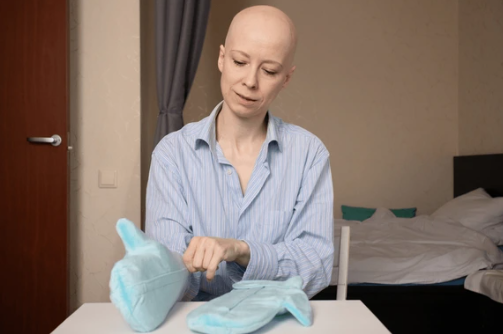
Chemotherapy is used across all stages of cancer (1-4), tailored to the goal of treatment. In early stages (1-2), it may be used to shrink tumors before surgery (neoadjuvant) or destroy remaining cells afterward (adjuvant). In advanced/metastatic stages (3-4), it is often the primary treatment to control spread, reduce symptoms, and extend survival.
According to Dr. Sandeep Nayak, surgical oncologist in Bangalore,
“Chemotherapy is a tool, not a last resort when used at the right stage and in the right combination with surgery or radiation, it significantly improves cure rates even in early-stage cancers that might otherwise be considered purely surgical cases.”
Why Is Chemotherapy Used at Different Stages of Cancer?
The role of chemotherapy in cancer treatment changes significantly depending on when it is administered during the disease.
- Neoadjuvant Chemotherapy: Given before surgery to shrink large tumours, making them easier to remove and increasing the chances of organ preservation in cancers like breast and rectal cancer.
- Adjuvant Chemotherapy: Administered after surgery to destroy any remaining microscopic cancer cells that imaging cannot detect, significantly reducing recurrence risk.
- Concurrent Chemoradiation: Used alongside radiation therapy in cancers like throat, cervical, and oesophageal cancer to make cancer cells more sensitive to radiation damage.
- Palliative Chemotherapy: Used in Stage 4 cancer not to cure but to slow tumour growth, relieve symptoms, and extend meaningful quality of life for patients.
- Induction Chemotherapy: Used in blood cancers like leukaemia and lymphoma to rapidly reduce the cancer cell burden before consolidation or transplant therapy.
According to ICMR, over 70% of cancer patients in India are diagnosed at Stage 3 or Stage 4, making chemotherapy a critical component of cancer treatment for the majority of patients seen by an oncologist in Bangalore. To understand how advanced cancers are managed, you may explore our article on “Which Type of Blood Cancer Is Most Dangerous?”
What Are the Key Differences Between Chemotherapy at Early and Advanced Cancer Stages?
Understanding how chemotherapy goals differ by stage helps patients make informed cancer treatment decisions with their specialist.
- Visibility / Precision: Early-stage chemotherapy targets microscopic residual disease after surgery, while advanced-stage chemotherapy targets visible tumour masses confirmed on PET or CT imaging.
- Success Rates: Adjuvant chemotherapy in Stage 2 breast cancer improves 5-year survival rates by 10–15%, while palliative chemotherapy in Stage 4 extends median survival by months to years depending on cancer type [VERIFY: ASCO clinical data].
- Recovery Time: Early-stage chemotherapy protocols in Bangalore are typically shorter in duration with fewer cycles, allowing patients to return to normal activity sooner.
- Complex Case Suitability: Patients with Stage 3 or Stage 4 cancers involving lymph nodes or distant metastasis require combination chemotherapy protocols designed by a multidisciplinary oncology team.
Dr. Sandeep Nayak evaluates each patient comprehensively to determine whether chemotherapy should be used before surgery, after surgery, or as the primary cancer treatment based on tumour type, stage, and patient fitness.
Why Choose Dr. Sandeep Nayak for Cancer Treatment in Bangalore?
Dr. Sandeep Nayak follows a multidisciplinary approach to cancer treatment, integrating chemotherapy decisions with surgical planning and radiation protocols to ensure every patient receives the most effective and personalized treatment combination. With 24+ years of experience across gastrointestinal, thoracic, head and neck, and thyroid cancers, he coordinates with medical oncologists to design chemotherapy protocols that maximise outcomes while minimising side effects. Every patient receives a structured treatment plan with clearly defined goals at each stage of their cancer care.
Frequently Asked Questions
Is chemotherapy only used for Stage 3 and Stage 4 cancer?
No, chemotherapy is used across all stages — it can be given before surgery to shrink tumours, after surgery to prevent recurrence, or alongside radiation therapy.
How many cycles of chemotherapy are typically needed?
The number of chemotherapy cycles depends on cancer type and stage, typically ranging from 4 to 8 cycles administered over several weeks or months.
Does chemotherapy always cause severe side effects?
Not always — side effects vary based on the drug used, dosage, and individual patient health, and many patients complete chemotherapy while maintaining reasonable daily activity.
Can chemotherapy be avoided with early cancer detection?
In some early-stage cancers like small thyroid or early colorectal cancer, surgery alone may be sufficient, but this decision is always made by a specialist after thorough staging.
Reference links:
https://my.clevelandclinic.org/health/diseases/17179-liver-disease
https://britishlivertrust.org.uk/information-and-support/liver-health-2/symptoms-of-liver-disease/
Disclaimer: The information shared in this content is for educational purposes and not for promotional use.
