
CA 19-9 Levels That Indicate Cancer

 CA 19-9 Levels That Indicate Cancer

Above 37 units per millilitre. That’s the number most labs flag. But here’s what nobody tells you sitting there staring at that report. A high CA 19-9 doesn’t automatically confirm cancer. And a normal one doesn’t mean you’re completely in the clear either. Context matters enormously. Your symptoms matter. Your history matters. That number alone tells only part of the story.

According to Dr. Sandeep Nayak, surgical oncologist in Bangalore,
“CA 19-9 is a useful clue but treating it as a final answer without proper investigation is one of the biggest mistakes patients make.”

What Is Your CA 19-9 Number Actually Telling You?

People either panic immediately or completely ignore it. Neither of those responses actually helps you. Here’s what’s genuinely going on behind that number.

  • 37 U/mL Is Where Concern Begins: Anything above this threshold gets flagged and that flag means one thing only. Go see a specialist and get proper imaging done without waiting.
  • Very High Levels Above 1000 U/mL Are Deeply Concerning: Numbers that dramatically elevated are strongly associated with pancreatic cancer and need urgent specialist evaluation immediately without any delay whatsoever.
  • Other Conditions Push It Up Too: Pancreatitis, bile duct blockages, liver disease and even benign gallbladder conditions can send CA 19-9 climbing well above normal with no cancer present at all.
  • Rising Levels Over Time Matter More Than One Reading: A single elevated result is a question. A CA 19-9 that keeps climbing across multiple tests over weeks is a much louder signal that needs urgent action.

In cases of cancers where a high degree of accuracy in tumour removal is demanded in anatomically complex regions, innovative robotic surgery technologies are becoming a popular method of enhancing the accuracy of surgery and recovery in patients.

How Does CA 19-9 Compare to Other Cancer Markers?

Not all tumour markers work the same way. And understanding the difference stops a lot of unnecessary panic and a lot of dangerous dismissal too.

  • CA 19-9 Talks Most Loudly About Pancreatic Cancer: It’s most clinically relevant for pancreatic, bile duct and gallbladder cancers specifically rather than being a broad flag for all cancer types.
  • It Can’t Diagnose Cancer Alone Ever: Tissue confirmation through biopsy is always needed and no blood test including CA 19-9 can tell you definitively that cancer is present without it.
  • Around 5 to 10% of People Can’t Produce It at All: Some people genetically don’t produce CA 19-9 regardless of whether cancer is present which means a normal result doesn’t always mean what you hope it means.
  • Once Treatment Starts It Becomes Your Progress Tracker: After cancer treatment begins CA 19-9 is monitored regularly and a consistently falling number is one of the clearest signs your treatment is genuinely working.

In the case of early diagnosis and localisation of the cancer, the novel laparoscopic surgery methods can promote successful removal of the tumour using smaller incisions and shorter recovery time in the right patients

Why Choose Dr. Sandeep Nayak for Cancer Treatment in Bangalore?

Dr. Sandeep Nayak doesn’t just read your CA 19-9 number and hand you a referral. He builds a complete picture around it. Your imaging. Your symptom timeline. Your clinical examination. Everything together. As one of India’s most experienced oncology surgeons with over 24 years treating pancreatic, bile duct and gastrointestinal cancers he knows exactly what this marker means in context and what it doesn’t mean too. Patients consistently describe sitting with him as the first time someone actually explained their results in a way that made sense. Not frightening. Not dismissive. Just honest and clear and genuinely helpful.

Frequently Asked Questions

Does a CA 19-9 above 37 always mean you have pancreatic cancer?

No, many non-cancerous conditions including pancreatitis and bile duct blockages regularly push CA 19-9 above normal without any malignancy being present.

What should you do straight away if your CA 19-9 comes back high?

Book an appointment with an oncologist immediately for proper imaging and full clinical evaluation before drawing any conclusions from the number alone.

Can CA 19-9 levels come back down after successful cancer treatment?

Yes, consistently falling CA 19-9 levels during treatment are one of the most reliable signs that your cancer treatment is actually working well.

Is CA 19-9 testing useful for cancers other than pancreatic cancer?

Yes, it’s also clinically relevant for bile duct, gallbladder and some colorectal cancers though it’s most strongly associated with pancreatic malignancy specifically.

Reference links:

    Disclaimer: The information shared in this content is for educational purposes and not for promotional use.


    How I Knew I Had Stomach Cancer

    How I Knew I Had Stomach Cancer

    Most people don’t. That’s the real answer. Stomach cancer creeps in quietly. It doesn’t show up with obvious warning signs that scream “go to a doctor right now.” It shows up as bloating. As feeling full too fast. As a vague discomfort you keep blaming on last night’s dinner. And so you wait. And wait. And wait a little more.

    According to Dr. Sandeep Nayak, surgical oncologist in Bangalore, “Almost every stomach cancer patient I’ve seen tells me they felt something wasn’t right months before they finally came in.”

    The Early Signs That Are So Easy to Dismiss

    This is the part that matters most. Because none of these feel like cancer. They feel like Tuesday.

    • Bloating That Just Won’t Leave: Not the occasional post meal puffiness everyone gets. The kind that settles in after every single meal and quietly becomes your new normal without you even noticing.
    • Getting Full After Just a Few Bites: You sit down hungry, take a few bites and suddenly your stomach feels completely done. Doctors call it early satiety. Most patients call it nothing and move on.
    • That Dull Nagging Ache Under Your Ribs: Not dramatic pain. Just a low grade discomfort that antacids don’t really fix but also doesn’t feel serious enough to actually do something about.
    • Losing Weight Without Trying: Your clothes fit differently. You’re eating normally. Nothing has changed. But the weight is quietly going somewhere and nobody around you can explain it either.

    To implement highly developed treatment methods applied in a selective number of gastric cancer cases including the role of HIPEC, the knowledge of changing strategies in the surgical treatment may be enlightening in any choices.

    The Signs That Mean You Really Can't Wait Anymore

    Some symptoms are different. These ones deserve a same day call to your doctor. Not tomorrow. Today.

    • Blood in Your Vomit or Stool: There’s no version of this that’s fine. None. Stop reading and call your oncologist right now if this is happening to you.
    • Food That Feels Stuck Going Down: Swallowing that gets harder over days or weeks isn’t something to watch and monitor at home. It needs proper investigation urgently.
    • A Fatigue That Sleep Doesn’t Touch: Not tired from a long week. Something deeper. A heaviness that sits in your bones and doesn’t lift no matter how much rest you get.
    • Something You Can Feel in Your Abdomen: A lump. A firmness. Anything that wasn’t there before and doesn’t go away on its own needs to be looked at properly without any delay.

    When concerning symptoms point toward possible upper gastrointestinal disease, timely evaluation for stomach cancer can significantly influence treatment options and long-term outcomes.

    Why Choose Dr. Sandeep Nayak for Cancer Treatment in Bangalore?

    Dr. Sandeep Nayak has spent more than 24 years in surgical oncology treating stomach cancers at every stage including the ones that arrive late and need something more than standard treatment. He’s one of the few oncology surgeons in India who performs complex robotic and laparoscopic stomach cancer surgeries with the kind of precision that genuinely changes recovery outcomes. But patients don’t just remember the surgery. They remember that he listened. That he explained things like a human being not a textbook. That he made them feel like their case was being taken seriously. Because it always is.

    Frequently Asked Questions

    Can stomach cancer really feel exactly like normal indigestion?

    Yes, the symptoms of early stomach cancer are almost similar to the everyday indigestion thus the reason why most patients ignore them months before seeking medical care.

    What test actually confirms whether you have stomach cancer?

    The best method to establish and confirm the presence of stomach cancer is by an endoscopy with biopsy which will provide clear precise results and is a simple process.

    Is stomach cancer beatable if it's found early enough?

    Yes, the response of early stage stomach cancer to minimally invasive surgery is very favorable and the outcomes are much higher compared to the ones detected at an advanced stage..

    How long is too long to wait before seeing a specialist about stomach symptoms?

    A three-week period of the same recurrent symptom is the signal that you are no longer to wait but get yourself an appointment with an oncologist as soon as possible.

    Reference links:

      Disclaimer: The information shared in this content is for educational purposes and not for promotional use.
      Alcohol After Liver Cancer Surgery

      Alcohol After Liver Cancer Surgery

      No. And this isn’t a “just be careful” kind of answer. Your liver just went through surgery. It’s exhausted. It’s rebuilding itself from scratch while keeping your whole body alive at the same time. Throwing alcohol into that situation is genuinely the last thing you want to do. Your liver is fighting for you right now. Fight back for it.

      According to Dr. Sandeep Nayak, surgical oncologist in Bangalore, “Patients ask me this more than you’d think and my answer is always the same. Your liver needs time. Give it that.”

      Why Does Alcohol Hit So Hard After Liver Surgery?

      Look. Most people know alcohol isn’t great for the liver. But after cancer surgery the stakes are completely different. Here’s why.

      • Your Liver Cells Are Mid Repair: The cells trying to rebuild after surgery are fragile and alcohol damages them before they get the chance to finish what they started.
      • One Drink Triggers Real Inflammation: It’s not gradual. Even a single drink causes an inflammatory response in healing tissue that actively slows your recovery down.
      • Your Immune System Can’t Afford It: Recovery demands everything your immune system has and alcohol quietly chips away at that strength when you need it most.
      • You’re Raising Your Recurrence Risk: Alcohol doesn’t just slow healing. It’s a proven liver carcinogen and drinking after liver cancer surgery raises the chances of it coming back.

      Understanding lifestyle risks and learning how to detect early warning signs of liver cancer can play an important role in long-term prevention and monitoring.

      What's Your Liver Actually Doing Right Now?

      People picture recovery as resting. But your liver isn’t resting at all. It’s doing something genuinely remarkable.

      • It’s Running Everything Solo: Whatever tissue is left after surgery has immediately taken over the full workload of the entire organ. Every function. All at once. Without a break.
      • Your Blood Tests Are Watching It Closely: Those post surgery liver function tests your doctor keeps ordering? They’re showing exactly how hard your liver is pushing and alcohol makes every single result worse.
      • The Real Healing Takes Much Longer Than You Think: Most patients assume a few weeks and they’re back to normal. But true liver regeneration after cancer surgery takes months. Real months.
      • It Affects What’s Possible Later Too: If your cancer ever needs further treatment down the line, alcohol related damage right now could quietly close doors you don’t even know exist yet.

      Because cancer growth rates vary widely, prompt evaluation for aggressive diseases including liver cancer can significantly influence treatment timing and overall outcomes.

      Why Choose Dr. Sandeep Nayak for Liver Cancer Treatment?

      Dr. Sandeep Nayak has spent over 24 years treating liver cancers that other surgeons find genuinely difficult. He’s one of the few cancer doctors in Bangalore performing robotic and laparoscopic liver surgery with the kind of precision that protects as much healthy tissue as possible. But what patients remember most isn’t just the surgery. It’s the conversation after. The way he explains recovery like it actually matters. Because to him, it does. Every single patient gets real answers to real questions without being rushed out the door.

      Frequently Asked Questions

      Will you ever be able to drink again after liver cancer surgery?

      Maybe eventually but only years later after your oncologist confirms your liver function has fully and consistently recovered through proper testing.

      How long does your liver actually take to heal after this surgery?

      Realistically three to six months for regeneration but full functional recovery depends on how much tissue was removed and how well you look after yourself.

      Does drinking after surgery genuinely make cancer more likely to return?

      Yes it does. Alcohol is a direct liver carcinogen and even occasional drinking after liver cancer surgery raises recurrence risk in a measurable way.

      What can you actually drink that won't set your recovery back?

       Plain water, fresh fruit juices with no added sugar and warm lemon water are genuinely kind to your liver while it heals.

      Reference links:

        Disclaimer: The information shared in this content is for educational purposes and not for promotional use.

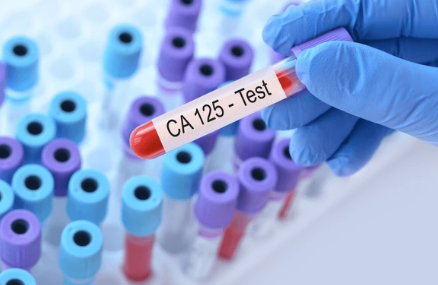
        What Level of CA125 Indicates Cancer

        What Level of CA125 Indicates Cancer

        Above 35 units per millilitre. That’s the number. But honestly? That number alone means very little without context. A high CA125 doesn’t confirm cancer. A normal one doesn’t rule it out either. It’s a clue. One piece of a much bigger puzzle. And how fast you follow up on that clue genuinely changes what happens next.

        According to Dr. Sandeep Nayak, surgical oncologist in Bangalore, “CA125 is a starting point not a verdict and no cancer treatment decision should ever be made on this number alone.”

        What Is Your CA125 Number Really Telling You?

        People either panic when they see it elevated or completely dismiss it. Neither response is right. Here’s what’s actually going on.

        • 35 U/mL Is Where Doctors Start Paying Attention: Labs flag anything above this number and that flag means one thing only. Go see a specialist. Don’t sit on it. Don’t Google it.
        • Very High Levels Above 200 U/mL Are More Worrying: Numbers that high are much more strongly associated with active ovarian malignancy and need urgent imaging and specialist evaluation without any delay.
        • Plenty of Non-Cancer Conditions Push It Up Too: Endometriosis, fibroids, pelvic infections and even a normal pregnancy can send CA125 climbing well above 35 with absolutely no cancer involved.
        • One Reading Means Less Than a Pattern Over Time: A single elevated result is a question mark. A CA125 that keeps rising across multiple tests over weeks or months is a much louder alarm worth acting on fast.

        In cases of cancers where a high degree of accuracy in tumour removal is demanded in anatomically complex regions, innovative robotic surgery technologies are becoming a popular method of enhancing the accuracy of surgery and recovery in patients.

        How Does CA125 Compare to Other Tumour Markers?

        Good question. Because not all cancer markers behave the same way and understanding the difference stops a lot of unnecessary panic.

        • CA125 Talks Most Specifically About Ovarian Cancer: Unlike CEA which flags multiple different cancer types across the body, CA125 is most clinically relevant for ovarian, fallopian tube and peritoneal cancers.
        • It Simply Cannot Diagnose Cancer by Itself: Tissue level confirmation through biopsy is always needed. No blood test alone including CA125 can ever tell you definitively that cancer is present.
        • A Normal Result Doesn’t Give You a Clean Bill of Health: Around 20% of early stage ovarian cancer patients have completely normal CA125 levels which is exactly why symptoms and imaging matter just as much as the number.
        • Once Treatment Starts It Becomes Your Progress Report: After cancer treatment begins your CA125 is checked regularly and a falling number is one of the clearest signs that what you’re doing is actually working.

        In the case of early diagnosis and localisation of the cancer, the novel laparoscopic surgery methods can promote successful removal of the tumour using smaller incisions and shorter recovery time in the right patients.

        Why Choose Dr. Sandeep Nayak for Cancer Treatment in Bangalore?

        Here’s what Dr. Sandeep Nayak actually does with your CA125 result. He doesn’t just read the number. He sits with you and builds a complete picture around it. Your symptoms. Your history. Your ultrasound findings. Your clinical examination. All of it together. Because a number without context is just a number. If cancer is confirmed he brings over 24 years of robotic and laparoscopic surgical oncology expertise to your specific situation. Ovarian cancers. Gynaecological malignancies. Peritoneal disease. He’s treated them all at every stage. And not one patient has ever received a generic plan. Every single person gets something built entirely around them. Their diagnosis. Their body. Their life.

        Frequently Asked Questions

        Does a CA125 above 35 always mean you have ovarian cancer?

        No, many completely non-cancerous conditions like endometriosis and fibroids regularly push CA125 above 35 without any malignancy being present at all.

        What's the very first thing you should do if your CA125 is high?

         Book an appointment with an oncologist immediately for transvaginal ultrasound and full clinical evaluation before drawing any conclusions from the number alone.

        Can CA125 levels come back down after successful cancer treatment?

        Yes, consistently falling CA125 levels during treatment are one of the clearest and most reliable signs that your cancer treatment is genuinely working well.

        Is CA125 testing only relevant for women?

        Primarily yes, but elevated CA125 can occasionally appear in men with certain cancers including pancreatic, lung and liver malignancies in specific clinical situations.

        Reference links:

        Disclaimer: The information shared in this content is for educational purposes and not for promotional use.

        What Is the Last Stage of Cancer

        What Is the Last Stage of Cancer

        Stage 4. Two words that change everything.
        It means the cancer didn’t stay where it started. It moved. Quietly. Through your blood, through your lymph nodes, into organs that had nothing to do with the original problem. The liver. The lungs. The bones. And yet. Stage 4 doesn’t automatically mean there’s nothing left to do. It really doesn’t.

        According to Dr. Sandeep Nayak,
        surgical oncologist in Bangalore, “Stage 4 frightens people but good cancer treatment can still give patients more time and far better quality of life than they expect.”

        What Does Stage 4 Actually Feel Like?

        This is the part nobody explains properly. Stage 4 isn’t one experience. It’s different for every person depending on where the cancer started and where it’s ended up.

        • Cancer Has Moved to Distant Organs: Your original tumour has released cells into the bloodstream or lymph system and they’ve now settled in organs nowhere near where the cancer first began.
        • Symptoms Hit Harder and All at Once: Crushing fatigue, rapid unexplained weight loss, persistent pain that won’t respond to simple medication and a body that just feels completely different to you.
        • Multiple Organs Are Now Involved: Liver, lungs, brain and bones are where Stage 4 most commonly lands and each new site brings fresh complications that your body struggles to manage.
        • What Doctors Are Trying to Achieve Shifts: The honest truth is that at Stage 4 cancer treatment often stops being about a cure and starts being about control, comfort and giving you more good days.

        In cases of cancers where a high degree of accuracy in tumour removal is demanded in anatomically complex regions, innovative robotic surgery technologies are becoming a popular method of enhancing the accuracy of surgery and recovery in patients.

        So How Different Is Stage 4 From What Came Before?

        Honestly? The gap is enormous. And most people don’t fully grasp it until they’re already in it.

        • Surgery Gets Much Harder to Access: Early cancers can often be removed cleanly and completely but by Stage 4 the spread makes full surgical removal genuinely difficult or simply not possible.
        • Treatment Becomes a Combination Game: One surgery or a short course of radiation might sort early stage cancer but Stage 4 needs chemotherapy, targeted drugs and immunotherapy often running together.
        • Results Take Longer and Come Less Reliably: Treatment response rates at Stage 1 and Stage 2 are dramatically higher and more predictable than what Stage 4 patients can realistically expect from their care.
        • The Emotional Reality Is Just Heavier: This isn’t just a medical experience anymore. Stage 4 patients carry uncertainty into every single day and that invisible weight deserves real acknowledgement not just medical management.

        In the case of early diagnosis and localisation of the cancer, the novel laparoscopic surgery methods can promote successful removal of the tumour using smaller incisions and shorter recovery time in the right patients.

        Why Choose Dr. Sandeep Nayak for Cancer Treatment in Bangalore?

        Dr. Sandeep Nayak doesn’t give up on difficult cases.. He’s spent over 24 years treating cancers that push every boundary of what surgery and oncology can achieve. For Stage 4 patients he doesn’t hand over a standard pamphlet and send them home. He digs. He looks at molecular profiling results to find targeted therapy options that weren’t possible even five years ago. He identifies the rare cases where surgery still makes sense. He designs palliative care plans with genuine thoughtfulness around what actually matters to that specific person. Not a protocol. A person. Every single patient gets treated like their case is the most important one in the room. Because in that moment it genuinely is.

        Frequently Asked Questions

        Can Stage 4 cancer actually go into remission?

        Yes, some Stage 4 cancerous like some lymphomas and breast cancers do effectively respond to treatment to the extent of real remission.

        What physical signs suggest cancer might have reached Stage 4?

        A sudden intense weight loss, excessive fatigue, pain in the bones, shortness of breath and yellowing of the skin all indicate the possibility of advanced spread that requires immediate assessment.

        Is palliative care really the only path left at Stage 4?

        No, most of the Stage 4 patients continue with active cancer therapy with targeted therapy, immunotherapy or selective surgery all based on the particular case.

        How long can someone live after a Stage 4 diagnosis?

        Depending on the type of cancer and response to the treatment, it can fluctuate greatly, actually it may take several months or several years with the correct specialist care.

        Reference links:

        Disclaimer: The information shared in this content is for educational purposes and not for promotional use.