Is Cancer a Communicable Disease

Is Cancer a Communicable Disease

No. Cancer does not spread from one person to another. Not through touch. Not through air. Not through a hug or a shared meal. This is one of the most deeply rooted fears in Indian families. But it has no scientific basis whatsoever. And that fear? It quietly stops families from being present when their loved one needs them the most.

According to Dr. Sandeep Nayak, surgical oncologist in Bangalore,
“Cancer isn’t something you catch from someone else, but we lose precious time when families stay away from patients out of fear.”

Why Do So Many People Think Cancer Is Contagious?

Good question. Honestly, the confusion is understandable. It comes from a few real misunderstandings that are worth talking about openly.

  • Virus Confusion: Cancers like cervical and throat cancer are triggered by HPV, a virus that does spread between people. So families assume the cancer spreads too. It doesn’t.
  • Family Clusters Feel Like Proof: Multiple family members getting cancer looks like transmission. But shared genes and shared lifestyle habits explain that far better than contagion ever could.
  • Stigma Fills the Knowledge Gap: In many Indian communities cancer still carries shame and silence. Where information is missing, fear rushes in to take its place.
  • Transplant Cases Get Misunderstood: In extremely rare organ transplant situations cancer cells have passed between individuals. But that’s a medical anomaly. Not something that happens in daily life.

In cases of cancers where a high degree of accuracy in tumour removal is demanded in anatomically complex regions, innovative robotic surgery technologies are becoming a popular method of enhancing the accuracy of surgery and recovery in patients.

How Does Cancer Actually Start If It Doesn't Come From Others?

This part surprises a lot of people. Cancer begins inside your own body. And the triggers are often closer to home than anyone wants to admit.

  • Your Own DNA Gets Damaged: Cancer starts when mutations occur in your cells, causing them to grow uncontrollably. Your immune system normally catches this. Sometimes it misses.
  • Lifestyle Plays a Bigger Role Than Genetics: Tobacco, alcohol, poor diet, obesity and physical inactivity together contribute to the majority of cancer cases seen across India every year.
  • What You’re Exposed to Matters: Long term contact with pesticides, air pollution, radiation and industrial chemicals slowly damages your DNA over years before cancer ever appears.
  • Some Risk Is Inherited but Still Not Contagious: Gene mutations like BRCA1 and BRCA2 run in families and raise cancer risk significantly. But inherited risk is not the same thing as transmission between people.

In the case of early diagnosis and localisation of the cancer, the novel laparoscopic surgery methods can promote successful removal of the tumour using smaller incisions and shorter recovery time in the right patients.

Why Choose Dr. Sandeep Nayak for Cancer Treatment in Bangalore?

Dr. Sandeep Nayak has spent over 24 years doing something most doctors don’t do enough of. He explains things. Clearly. Without jargon. Without rushing. Every patient who walks in gets a full diagnostic workup, honest answers to questions they were afraid to ask, and a cancer treatment plan built entirely around their situation. He’s performed thousands of robotic and laparoscopic cancer surgeries across India. But the part patients remember most? He made them feel like their case actually mattered. Because to him, it genuinely does.

Frequently Asked Questions

Can you get cancer from living with someone who has it?

No, in no normal circumstance does cancer infiltrate the world by way of physical contact, shared space or daily interaction with a patient.

Does having HPV mean cancer is definitely coming?

No, HPV infections do not need any intervention and only a minor fraction of them would eventually develop cancer under proper monitoring and treatment.

Should healthy family members of cancer patients get screened?

Yes, first degrees relatives are expected to talk about genetic counselling and frequent screening with an oncologist particularly when more than one member has been diagnosed..

Can emotions or stress cause cancer to spread to someone nearby?

No, the route of cancer happens to be through neither emotions nor stress and is completely an internal biological process in the body of one person.

Reference links:

Which Cancer Is Most Dangerous

Which Cancer Is Most Dangerous

Pancreatic cancer. That’s what most oncologists will tell you. It carries an 11% five-year survival rate. The lowest of any major cancer out there. No warning signs. No easy screening. And by the time your body starts telling you something is wrong, the cancer has quietly done its damage. That alone makes it terrifying.

According to Dr. Sandeep Nayak, surgical oncologist in Bangalore,
“Pancreatic cancer is the one diagnosis nobody wants because by the time it shows up, your treatment options are already shrinking fast.”

Why Is Pancreatic Cancer So Difficult to Treat?

Honestly, it’s not just one reason. Several things stack up against you at once.

  • No Early Symptoms at All: Pancreatic tumours grow quietly for months with absolutely no pain, discomfort, or visible signs until they’ve reached a dangerous size.
  • Almost Always Found Late: Over 80% of patients get diagnosed at Stage 3 or Stage 4, by which point curative surgery isn’t something most patients can access.
  • Chemotherapy Struggles to Work: Dense fibrous tissue wraps around the tumour like a shield, stopping chemotherapy drugs from actually reaching the cancer cells inside.
  • It Spreads Before You Know: Pancreatic cancer reaches the liver, lungs, and nearby blood vessels faster than nearly any other solid tumour your body can develop.

The role of the exposure to nicotine is also important to understand when speaking about the cancers associated with prolonged consumption of tobacco and other lifestyle and environmental risk factors.

How Does It Compare to Other Deadly Cancers?

Not all dangerous cancers behave the same way. Some give you a fighting chance if you catch them early enough.

  • Lung Cancer Comparison: Lung cancer kills more people annually, but some early-stage lung cancer patients do qualify for robotic surgery, something pancreatic cancer patients rarely get.
  • The Survival Numbers Tell the Story: Thyroid cancer detected early has a survival rate above 98%. Pancreatic cancer’s best-case numbers don’t come close to that at all.
  • Targeted Drugs Can Help Sometimes: Certain aggressive cancers respond really well to targeted therapy, but only after your oncologist runs full molecular profiling first.
  • Whipple Surgery Is Rare: Only 15 to 20% of pancreatic cancer patients are even eligible for Whipple surgery, one of the hardest operations in oncology to perform well.

In selected cases, advanced robotic surgery techniques can provide greater visualisation and minimal invasion of the tumours in cases where the precision is vital and the cancer is detected at a younger stage.

Why Choose Dr. Sandeep Nayak for Cancer Treatment in Bangalore?

Dr. Sandeep Nayak has spent over 24 years treating cancers that push the limits of what surgery can do. He’s one of the very few surgeons in India performing robotic Whipple surgery for pancreatic cancer. A procedure most centres don’t even offer. But his approach goes beyond the operation itself. Every single patient gets a full molecular workup, detailed staging, and a treatment plan written specifically for their case. Not borrowed from someone else’s file. Theirs alone.

Frequently Asked Questions

Is pancreatic cancer always fatal once it's found?

 No, patients caught early and treated with Whipple surgery can achieve significantly better outcomes than those diagnosed at advanced stages.

What warning signs should you never brush off?

Unexplained weight loss, yellowing of the skin, upper abdominal pain, and extreme fatigue all need immediate evaluation by an oncologist.

Can India treat the most dangerous cancers successfully?

Yes, robotic and laparoscopic cancer treatment in India now delivers results that genuinely compare with leading international oncology centres.

How often should high-risk individuals get screened?

Every six to twelve months, tumour marker tests and imaging together give your oncologist the clearest and most accurate picture possible.

reference links :

    How to Detect Liver Cancer Early

    How to Detect Liver Cancer Early

    Liver cancer can be detected early through regular ultrasound screening, AFP blood tests, and advanced imaging in high-risk individuals. Patients with chronic hepatitis B, hepatitis C, liver cirrhosis, or fatty liver disease carry the highest risk and require structured six-monthly screening. Early detection of liver cancer dramatically improves liver cancer treatment outcomes and significantly increases the chances of a curative surgical outcome.

    According to Dr. Sandeep Nayak, surgical oncologist in Bangalore,
    “Liver cancer rarely causes symptoms in its early stages, which is why structured screening for high-risk patients is the only reliable way to catch it before it becomes inoperable.”

    What Are the Most Effective Methods to Detect Liver Cancer Early?

    Early liver cancer detection relies on a structured combination of blood tests, imaging, and risk-based screening protocols.

    • AFP Blood Test: Alpha-fetoprotein is a tumour marker elevated in most liver cancer cases and is the first-line blood test used to screen high-risk patients every six months.
    • Ultrasound Screening: Abdominal ultrasound every six months is the globally recommended screening tool for liver cancer in patients with cirrhosis or chronic hepatitis infection.
    • CT and MRI Scan: Contrast-enhanced CT and MRI provide detailed liver imaging that confirms tumour size, location, vascular involvement, and eligibility for surgical liver cancer treatment.
    • Liver Biopsy: When imaging findings are inconclusive, a guided liver biopsy confirms malignancy and provides molecular profiling essential for personalised treatment planning.

    Recognizing early changes can make a significant difference in timely diagnosis and treatment outcomes. You can learn more about the early warning signs of liver cancer in our comprehensive guide designed to help patients identify symptoms at an earlier stage.

    What Are the Key Differences Between Early and Late Liver Cancer Detection?

    Understanding how detection timing affects treatment options helps patients prioritise regular liver cancer screening.

    • Treatment Eligibility: Early-detected liver cancer qualifies for curative surgical resection or ablation, while late-stage detection limits options to palliative chemotherapy or TACE.
    • Survival Rates: Stage 1 liver cancer has a 5-year survival rate near 31%, while Stage 4 drops to under 3% making early detection critical [VERIFY: NCI SEER database].
    • Surgical Complexity: Early-stage tumours are removed through minimally invasive laparoscopic or robotic surgery, while advanced tumours require complex open surgery or are inoperable.
    • Recurrence Risk: Early-detected and completely resected liver cancer carries significantly lower recurrence risk than advanced-stage disease treated with non-surgical methods.

    Dr. Sandeep Nayak evaluates every high-risk patient through a structured liver cancer screening protocol combining AFP testing, ultrasound, and advanced imaging to detect malignancy at the earliest and most treatable stage possible.

    Why Choose Dr. Sandeep Nayak for Liver Cancer Treatment in Bangalore?

    Dr. Sandeep Nayak follows a precision-based approach to liver cancer treatment, combining structured early detection protocols with advanced robotic and laparoscopic surgical techniques for eligible patients. With 24+ years of experience in surgical oncology and expertise across gastrointestinal and hepatic cancers, he ensures every high-risk patient receives timely screening, accurate staging, and a personalised liver cancer treatment plan. Every patient is evaluated individually with a focus on catching liver cancer at its most curable stage.

    Frequently Asked Questions

    Who should get screened for liver cancer regularly?

    Patients with chronic hepatitis B, hepatitis C, liver cirrhosis, or fatty liver disease should undergo six-monthly AFP testing and ultrasound screening without fail.

    Can liver cancer be detected through a routine blood test?

    AFP tumour marker testing can indicate liver cancer risk but must always be confirmed through imaging and biopsy for a definitive diagnosis.

    Is liver cancer always symptomatic in its early stages?

    No, early-stage liver cancer rarely causes noticeable symptoms which is why structured screening for high-risk individuals is the only reliable detection method.

    Can early-detected liver cancer be completely cured?

     Yes, liver cancer detected at Stage 1 or Stage 2 can be completely cured through surgical resection, ablation, or liver transplant in eligible patients.

    reference links:

     Is Uterine Cancer Curable

     Is Uterine Cancer Curable

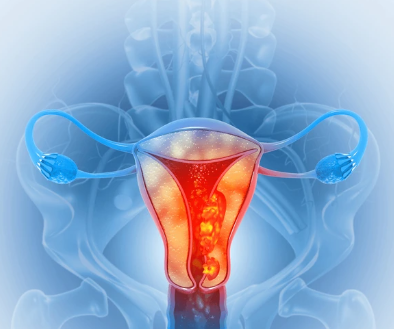
    Yes, uterine cancer is highly curable when detected early, with Stage 1 survival rates exceeding 90 percent in most clinical studies. It is the most common gynaecological cancer in developed countries and increasingly prevalent in India. Early diagnosis, accurate staging, and timely uterine cancer treatment by an experienced specialist are the three most critical factors determining long-term cure rates.

    According to Dr. Sandeep Nayak, surgical oncologist in Bangalore,
    “Uterine cancer detected at Stage 1 is one of the most treatable cancers we encounter, with excellent long-term outcomes when treated surgically with precision.”

    Why Is Uterine Cancer Highly Curable When Detected Early?

    Early-stage uterine cancer responds exceptionally well to available cancer treatment options compared to advanced disease.

    • High Early-Stage Survival: Stage 1 uterine cancer has a 5-year survival rate exceeding 90%, making it one of the most curable gynaecological cancers when caught early.
    • Surgical Curability: Complete surgical removal of the uterus through minimally invasive hysterectomy eliminates the cancer entirely in the majority of early-stage patients.
    • Hormone Sensitivity: Most uterine cancers are hormone-sensitive endometrial tumours that respond predictably to hormonal therapy when surgery alone is insufficient.
    • Clear Warning Signs: Abnormal uterine bleeding, the most common early symptom, prompts timely investigation and leads to diagnosis at a curable stage in most patients.

    Minimally invasive approaches such as laparoscopic cancer surgery enhance surgical precision, reduce recovery time, and improve overall treatment outcomes.

    What Are the Key Differences Between Early and Advanced Uterine Cancer Treatment?

    Understanding how stage affects treatment options helps patients seek uterine cancer treatment at the right time.

    • Surgical Eligibility: Early-stage uterine cancer qualifies for minimally invasive robotic hysterectomy, while advanced cases require complex surgery combined with radiation and chemotherapy.
    • Treatment Intensity: Stage 1 and Stage 2 uterine cancer treatment involves hysterectomy with or without radiation, while Stage 3 and Stage 4 require aggressive multi-modal therapy protocols.
    • Recurrence Risk: Early-stage uterine cancer has a recurrence rate below 15%, while advanced-stage disease carries significantly higher recurrence risk requiring long-term monitoring.
    • Quality of Life: Early-stage minimally invasive treatment preserves overall health and recovery speed far more effectively than advanced-stage open surgical and radiation protocols.

    Dr. Sandeep Nayak evaluates each uterine cancer patient through MRI, biopsy, and PET-CT staging to determine the most appropriate and personalized uterine cancer treatment plan based on tumour grade, stage, and hormone receptor status.

    Why Choose Dr. Sandeep Nayak for Uterine Cancer Treatment ?

    You should consider Dr. Sandeep Nayak,  for uterine cancer treatment due to his expertise in comprehensive cancer care, advanced surgical techniques, and personalized treatment planning. Early and accurate staging plays a crucial role in improving survival outcomes in uterine (endometrial) cancer.

    Dr. Sandeep Nayak offers evidence-based management that may include minimally invasive or robotic surgery, chemotherapy, radiation therapy, and targeted treatment depending on the stage and risk factors. Patients diagnosed with early-stage uterine cancer, high-risk histology, recurrent disease, or those seeking a second opinion can benefit from his multidisciplinary and precision-based approach to care.

    Frequently Asked Questions

    Can uterine cancer be cured without removing the uterus?

    In very early low-grade cases, hormonal therapy may be considered but surgical removal remains the most effective and definitive curative treatment option.

    What are the earliest warning signs of uterine cancer?

    Abnormal vaginal bleeding especially after menopause, pelvic pain, and unusual discharge are the most common early warning signs requiring immediate medical evaluation.

    How is uterine cancer diagnosed accurately?

     Uterine cancer is diagnosed through endometrial biopsy, transvaginal ultrasound, MRI, and PET-CT scan to confirm tumour grade, size, and stage.

    Can uterine cancer return after successful treatment?

     Yes, recurrence is possible which is why regular follow-up pelvic examinations and imaging scans are essential after completing uterine cancer treatment.

    Reference links:

    Disclaimer: The information shared in this content is for educational purposes and not for promotional use.

    Is Throat Cancer Curable

    Is Throat Cancer Curable

    Yes, throat cancer is curable in the majority of cases when detected at Stage 1 or Stage 2. Survival rates for early-stage throat cancer range between 70 to 90 percent with appropriate surgical and radiation treatment. The stage at diagnosis, tumour location, and overall patient health are the three most critical factors determining curability.

    According to Dr. Sandeep Nayak, an experienced surgical oncologist,
    “Throat cancer caught before it spreads to lymph nodes is highly curable with minimally invasive surgery and targeted radiation.”

    Why Is Early Detection Critical for Throat Cancer Curability?

    Early-stage throat cancer responds significantly better to available cancer treatment options than advanced disease.

    • Stage Determines Outcome: Stage 1 and Stage 2 throat cancers have cure rates of 70–90%, while Stage 4 drops to 30–40% making early detection critical.
    • Minimally Invasive Options: Early-stage tumours qualify for organ-preserving robotic surgery that removes cancer completely without damaging surrounding healthy structures.
    • Radiation Effectiveness: Early-stage throat cancer responds exceptionally well to targeted radiation therapy, often eliminating the need for extensive open surgical procedures.
    • Lymph Node Status: Cancer confined to the throat without lymph node involvement has significantly higher curability than disease that has already spread regionally.

    For a deeper understanding of early warning symptoms and treatment options, explore our detailed throat cancer guide.

    What Are the Key Differences Between Curable and Advanced Throat Cancer?

    Understanding how stage affects treatment options helps patients seek cancer treatment at the right time.

    • Surgical Eligibility: Early-stage throat cancer qualifies for complete tumour removal through minimally invasive robotic surgery, while advanced cases require complex multi-modal treatment.
    • Treatment Intensity: Early-stage cancer treatment involves fewer cycles of radiation or chemotherapy with lower side effects compared to aggressive advanced-stage protocols.
    • Recurrence Risk: Stage 1 and Stage 2 throat cancers have significantly lower recurrence rates after complete treatment compared to Stage 3 and Stage 4 disease.
    • Quality of Life: Early-stage treatment preserves voice, swallowing function, and appearance far more effectively than advanced-stage surgery requiring extensive tissue reconstruction.

    Advanced minimally invasive approaches such as laparoscopic cancer surgery help improve precision, reduce recovery time, and enhance post-treatment quality of life in eligible patients.

    Why Choose Dr. Sandeep Nayak for Throat Cancer Treatment in Bangalore?

    You should consult Dr. Sandeep Nayak, if you experience persistent symptoms such as a sore throat lasting more than two weeks, difficulty swallowing, voice changes or hoarseness, a lump in the neck, unexplained weight loss, or chronic cough. These symptoms may indicate an underlying throat malignancy and require prompt medical evaluation.

    Seek expert consultation if imaging, endoscopy, or biopsy shows abnormal throat growth. Patients diagnosed with throat cancer, advised surgery or radiation, or seeking a second opinion for advanced or recurrent disease should consult Dr. Sandeep Nayak for accurate staging and personalized treatment planning.

    Frequently Asked Questions

    Can throat cancer be completely cured without surgery?

     Yes, early-stage throat cancer can be cured with radiation therapy alone without requiring any surgical intervention in selected patients.

    What are the earliest signs of throat cancer to watch for?

     Persistent hoarseness, difficulty swallowing, a lump in the neck, and chronic sore throat lasting more than three weeks are the earliest warning signs.

    How is throat cancer staged before treatment begins?

    Throat cancer is staged through endoscopy, biopsy, CT scan, and PET scan to confirm tumour size, location, and lymph node involvement.

    Can throat cancer return after successful treatment?

    Yes, recurrence is possible which is why regular follow-up endoscopy and imaging are essential after completing throat cancer treatment.

    Reference links:

    Disclaimer: The information shared in this content is for educational purposes and not for promotional use.