
Role of Lymph Node Surgery in Breast Cancer

Role of Lymph Node Surgery in Breast Cancer

Lymph node surgery in breast cancer plays a crucial role in accurate staging, treatment planning, and local disease control, particularly in the armpit (axilla). Procedures such as Sentinel Lymph Node Biopsy (SLNB) help determine whether cancer has spread beyond the breast while minimizing surgical side effects.

In cases of confirmed or advanced lymph node involvement, Axillary Lymph Node Dissection (ALND) is performed to remove additional nodes for better disease control, though it carries a higher risk of complications such as lymphedema.

According to Dr Sandeep Nayak,
Lymph node evaluation is a critical part of breast cancer staging, as it directly influences decisions about surgery, chemotherapy, radiation, and long-term prognosis.”

What Are the Key Roles and Procedures of Lymph Node Surgery in Breast Cancer?

  • Staging: Identifies whether cancer has spread from the breast to the axillary (underarm) lymph nodes, which is a major factor in determining the overall stage of breast cancer.
  • Treatment Planning: Helps determine the need for additional treatments such as radiation therapy, chemotherapy, or hormonal therapy based on lymph node involvement.
  • Local Disease Control: Removes affected lymph nodes to reduce the risk of cancer recurrence in the underarm region.
  • Prognostic Assessment: Provides important information about disease severity and expected outcomes, helping doctors predict the course of the disease.
  • Guiding Surgical Approach: Influences the choice between sentinel lymph node biopsy and axillary lymph node dissection to balance effective treatment with minimal side effects.

According to Dr Sandeep Nayak, as a oncologist, lymph node surgery plays a vital role in accurate breast cancer management, enabling personalized treatment decisions while minimizing complications and improving long-term outcomes.

What Are the Types of Lymph Node Surgery in Breast Cancer?

  • Sentinel Lymph Node Biopsy (SLNB): A minimally invasive procedure in which the surgeon identifies and removes only the first few lymph nodes (usually 1–3) where breast cancer is most likely to spread first. If these nodes are cancer-free, additional lymph node surgery is usually not required.
  • Axillary Lymph Node Dissection (ALND): A more extensive surgical procedure that involves removing multiple lymph nodes (typically 10–40) from the underarm area. This approach is generally recommended when there is confirmed or extensive lymph node involvement.
  • Targeted Axillary Dissection (TAD): A specialized technique often used after chemotherapy, where the lymph node known to contain cancer before treatment is marked (for example, with a clip) and removed along with the sentinel lymph nodes to accurately assess treatment response.

Dr Sandeep Nayak at macs clinic they explains that modern lymph node surgery focuses on effective cancer control while reducing side effects such as arm swelling.

When Should You Consult Dr Sandeep Nayak for Breast Cancer Treatment?

If you experience unusual breast changes such as a new lump, nipple discharge, or skin dimpling, it is important to seek medical evaluation at the earliest. Consulting Dr Sandeep Nayak, a trusted oncologist in Bangalore, can help ensure accurate diagnosis and timely treatment decisions. You should also consider expert consultation after abnormal imaging or biopsy findings, upon receiving a breast cancer diagnosis, before initiating treatment, or when looking for a second opinion in advanced or complicated cases.

Frequently Asked Questions

Why are lymph nodes removed in breast cancer?

To check if cancer has spread and to guide treatment decisions.

What is a sentinel lymph node biopsy?

It is a procedure that removes the first lymph nodes likely to be affected by cancer, reducing surgical complications.

Is lymph node surgery always necessary?

Not always. Some early-stage patients may not require extensive lymph node removal.

What are the risks of lymph node surgery?

Possible risks include arm swelling, numbness, stiffness, and limited shoulder movement.

Reference links:

https://my.clevelandclinic.org/health/diseases/17179-liver-disease

https://britishlivertrust.org.uk/information-and-support/liver-health-2/symptoms-of-liver-disease/

Disclaimer: The information shared in this content is for educational purposes and not for promotional use.


What Are the Symptoms of Colon Cancer?

What Are the Symptoms of Colon Cancer?

Colon cancer symptoms often develop gradually and may not be noticeable in the early stages. Common warning signs include persistent changes in bowel habits such as diarrhea or constipation, blood in or on the stool, unexplained weight loss, and ongoing abdominal pain or discomfort. Other symptoms may include a feeling that the bowel does not empty completely, narrower-than-usual stools, and persistent fatigue, especially when symptoms continue or worsen over time.

According to Dr Sandeep Nayak,
a trusted oncologist in Bangalore, Paying attention to subtle but ongoing digestive changes is essential for early detection and improved treatment outcomes.

What Are the Early Symptoms of Colon Cancer?

Early symptoms of colon cancer are often mistaken for common digestive problems. However, when these symptoms persist or worsen, they require medical attention:

  • Changes in Bowel Habits: Persistent diarrhea, constipation, or a change in stool consistency lasting more than a few weeks.
  • Blood in Stool: Bright red blood or dark, tarry stools, which may indicate internal bleeding.
  • Abdominal Discomfort: Cramping, gas, bloating, or mild abdominal pain that does not resolve.
  • Feeling of Incomplete Bowel Emptying: A sensation that the bowel does not fully empty after a bowel movement.
  • Unexplained Fatigue: Constant tiredness due to slow blood loss and reduced red blood cell levels.

According to Dr Sandeep Nayak, early recognition of these persistent symptoms and timely medical evaluation are critical for the early detection and effective management of colon cancer.

What Are the Advanced Symptoms of Colon Cancer?

As colon cancer progresses, symptoms tend to become more severe and may include:

  • Unexplained Weight Loss: Sudden or gradual weight loss without changes in diet or physical activity.
  • Persistent Abdominal Pain: Ongoing pain or discomfort that increases in intensity.
  • Iron-Deficiency Anemia: Low hemoglobin levels leading to weakness, dizziness, or shortness of breath.
  • Nausea or Vomiting: Occurs when the tumor causes partial bowel obstruction.
  • Bowel Obstruction: Severe constipation, abdominal swelling, and inability to pass stool or gas.

At macs clinic emphasizes that advanced symptoms often indicate later-stage disease, highlighting the importance of early evaluation.

Why Should You Consult Dr Sandeep Nayak for Colon Cancer Treatment?

Consulting Dr Sandeep Nayak for colon cancer treatment ensures access to expert evaluation, accurate diagnosis, and personalized care. With extensive experience in managing complex gastrointestinal cancers, he follows a multidisciplinary, evidence-based approach that combines advanced surgical techniques with medical and supportive therapies. Early consultation allows for precise staging, tailored treatment planning, and better outcomes, while continued care focuses on recovery, quality of life, and long-term follow-up.

Frequently Asked Questions

What is usually the first symptom of colon cancer?

Changes in bowel habits or blood in the stool are often the earliest signs.

Can colon cancer occur without symptoms?

Yes. Early-stage colon cancer may not cause noticeable symptoms.

Does colon cancer always cause pain?

No. Pain usually appears in later stages as the tumor grows.

Are colon cancer symptoms different in younger adults?

Symptoms are similar, but younger individuals often ignore them, delaying diagnosis.

Reference links:

https://my.clevelandclinic.org/health/diseases/17179-liver-disease

https://britishlivertrust.org.uk/information-and-support/liver-health-2/symptoms-of-liver-disease/

Disclaimer: The information shared in this content is for educational purposes and not for promotional use.

What Are the Symptoms of Ovarian Cancer?

What Are the Symptoms of Ovarian Cancer?

Ovarian cancer symptoms are often subtle and non-specific, especially in the early stages. Common signs include persistent abdominal bloating, pelvic or abdominal pain, feeling full quickly after eating small meals, and frequent or urgent urination. Because these symptoms closely resemble digestive or urinary conditions, they are often overlooked, which can delay early diagnosis.

According to Dr Sandeep Nayak,
a leading oncologist in Bangalore, Recognizing the early and often subtle symptoms of ovarian cancer is essential, as timely medical evaluation can significantly improve diagnostic accuracy, expand treatment options, and lead to better overall outcomes for patients.

What Are the Common Symptoms of Ovarian Cancer?

Ovarian cancer symptoms often develop gradually and may be mistaken for common digestive or hormonal issues. The most frequently reported symptoms include:

  • Persistent Bloating or Abdominal Swelling: A continuous or recurring feeling of abdominal fullness or swelling that becomes a “new normal” rather than occurring occasionally.
  • Abdominal or Pelvic Pain: Ongoing discomfort, pressure, or pain in the pelvic region or lower abdomen that does not resolve over time.
  • Early Satiety or Reduced Appetite: Feeling full quickly after eating small amounts or experiencing a noticeable decrease in appetite.
  • Urinary Changes: A frequent or urgent need to urinate, often caused by pressure on the bladder from ovarian enlargement.
  • Fatigue: Persistent tiredness, weakness, or lack of energy that interferes with daily activities.
  • Gastrointestinal Changes: Ongoing digestive issues such as constipation, diarrhea, gas, or indigestion without a clear cause.
  • Abnormal Vaginal Bleeding or Discharge: Unusual vaginal bleeding, particularly after menopause, or changes in vaginal discharge.
  • Back Pain: Continuous or recurring pain in the lower back that is not linked to physical strain.
  • Unexplained Weight Gain or Weight Loss: Sudden or gradual changes in weight without changes in diet or activity levels.

According to Dr Sandeep Nayak, recognizing these persistent and recurring symptoms early is essential, as timely medical evaluation can lead to earlier diagnosis and more effective treatment planning for ovarian cancer.

How Is Ovarian Cancer Diagnosed After Symptoms Appear?

After symptoms prompt medical attention, ovarian cancer is diagnosed through a structured evaluation process:

  • Medical History and Symptom Review: The doctor reviews symptom duration, frequency, family history, and personal risk factors to assess the likelihood of ovarian cancer.
  • Pelvic Examination: A physical exam is performed to check for ovarian enlargement, masses, or tenderness in the pelvic area.
  • Imaging Tests: Transvaginal ultrasound, CT scan, or MRI are used to visualize ovarian growths, tumors, or fluid accumulation in the abdomen.
  • Blood Tests (Tumor Markers): CA-125 and other blood markers may be tested to support diagnosis, particularly in postmenopausal women.
  • Biopsy or Surgical Evaluation: If cancer is suspected, a biopsy or minimally invasive surgery is performed to confirm the diagnosis and identify the cancer type.
  • Staging Tests: Additional imaging or procedures help determine whether the cancer has spread, guiding treatment decisions.

When Should You Consult Dr Sandeep Nayak for Ovarian Cancer Treatment?

You should consider consulting Dr Sandeep Nayak if you experience persistent or worsening symptoms such as abdominal bloating, pelvic pain, early satiety, or urinary changes that last more than a few weeks. An evaluation is also important if initial tests suggest ovarian abnormalities, blood markers are elevated, or imaging shows suspicious ovarian masses. Women with a family history of ovarian or breast cancer, postmenopausal women with new-onset symptoms, or those seeking expert guidance on advanced treatment options can benefit from timely consultation to ensure accurate diagnosis and personalized care.

Frequently Asked Questions

What is usually the first symptom of ovarian cancer?

Persistent bloating and abdominal discomfort are often the earliest symptoms.

Are ovarian cancer symptoms painful?

Early symptoms may cause mild discomfort, while pain usually appears in advanced stages.

Can ovarian cancer symptoms come and go?

Yes, but ovarian cancer symptoms tend to be frequent and persistent rather than occasional.

Do ovarian cancer symptoms differ after menopause?

Yes. Postmenopausal women may experience bloating, pelvic pain, or abnormal vaginal bleeding.

Reference links:

https://my.clevelandclinic.org/health/diseases/17179-liver-disease

https://britishlivertrust.org.uk/information-and-support/liver-health-2/symptoms-of-liver-disease/

Disclaimer: The information shared in this content is for educational purposes and not for promotional use.

What Is the First Sign of Liver Cancer?

What Is the First Sign of Liver Cancer?

Liver cancer often shows no clear symptoms in its early stages, which makes early detection difficult. The first signs are usually subtle, such as unintentional weight loss, loss of appetite, persistent fatigue, and mild pain or discomfort in the upper right abdomen. As the condition progresses, other early warning signs may include jaundice (yellowing of the skin or eyes), nausea, abdominal swelling, and a feeling of fullness after eating small amounts.

According to Dr Sandeep Nayak,
Early symptoms are subtle and frequently mistaken for common health issues. Recognizing these early warning signs is critical for timely diagnosis and better treatment outcomes.

What Are the Key Initial Signs and Symptoms of Liver Cancer?

The early signs of liver cancer are often mild and easy to overlook. Common initial symptoms include:

  • Unexplained Weight Loss and Poor Appetite: Sudden or gradual weight loss without changes in diet or exercise, along with reduced hunger or feeling unusually full after eating small amounts, often due to altered liver metabolism.
  • Persistent Fatigue: Constant tiredness, weakness, or low energy levels that continue despite proper sleep and rest, caused by the liver’s reduced ability to process nutrients and toxins.
  • Abdominal Pain or Discomfort: A dull, aching, or persistent pain felt in the upper right side of the abdomen or radiating toward the right shoulder blade, often resulting from liver enlargement or tumor pressure.
  • Jaundice: Yellowing of the skin and the whites of the eyes, sometimes accompanied by dark urine and pale stools, caused by the buildup of bilirubin due to impaired liver function.
  • Abdominal Swelling or a Hard Lump: Noticeable bloating, tightness, or swelling in the abdomen, or the feeling of a firm lump beneath the right rib cage, which may indicate fluid accumulation or an enlarged liver.


According to Dr Sandeep Nayak, a renowned surgical oncologist and one of the best oncologists in Bangalore, recognizing these early signs and seeking timely medical evaluation plays a crucial role in the early detection and effective management of liver cancer.

What Are the Other Early Symptoms of Liver Cancer?

In addition to the initial warning signs, liver cancer may also cause the following early symptoms:

  • Nausea and Vomiting: A persistent feeling of nausea, stomach discomfort, or repeated episodes of vomiting that may occur as the liver struggles to process toxins and support digestion.
  • Changes in Urine or Stool Color: Noticeably dark urine or pale, clay-colored stools caused by reduced bile production or blockage in bile flow due to liver dysfunction.
  • Easy Bruising or Bleeding: An increased tendency to bruise easily or experience prolonged bleeding from minor cuts, resulting from reduced production of clotting factors by the liver.
  • Itchy Skin (Pruritus): Continuous or recurrent itching without a visible rash, caused by the buildup of bile salts in the bloodstream and under the skin.
  • Low-Grade Fever or Night Sweats: Ongoing mild fever or episodes of night sweats, reflecting the body’s inflammatory or immune response to cancerous changes.
  • Enlarged Liver or Spleen: A sensation of fullness, pressure, or heaviness below the ribs, especially on the right side, due to swelling or enlargement of the liver or spleen.

For expert evaluation and advanced care options, learn more about Liver Cancer Treatment in Bangalore offered by Dr Sandeep Nayak, focusing on early diagnosis, evidence-based treatment, and personalized cancer care.

Why Should You Consider Dr Sandeep Nayak for Liver Cancer Treatment?

Choosing the right specialist for liver cancer treatment can significantly impact your diagnosis, care, and long-term outcome. Dr Sandeep Nayak is a highly experienced surgical oncologist in India, recognized for his expertise in complex cancer management. With a strong focus on personalized treatment plans, he combines advanced surgical techniques with multidisciplinary care to ensure the best possible outcomes.

Patients benefit from comprehensive evaluation, cutting-edge therapies, and compassionate support throughout the treatment journey. His extensive experience in liver cancer, precision surgery, and evidence-based protocols makes him a trusted choice for individuals seeking high-quality oncologic care. As one of the best oncologists in Bangalore, Dr Sandeep Nayak emphasizes early detection, tailored treatment strategies, and long-term follow-up to optimize recovery and quality of life.

Frequently Asked Questions

1. What is usually the first symptom of liver cancer?

The first symptom is commonly persistent fatigue or unexplained weakness, followed by appetite loss.

2. Can liver cancer be detected early?

Yes. Regular screening in high-risk individuals can detect liver cancer before symptoms appear.

3. Does liver cancer cause pain in early stages?

No. Pain usually appears only in advanced stages, which is why early symptoms are often overlooked.

4. Who is at high risk of liver cancer?

People with hepatitis B or C, cirrhosis, fatty liver disease, or long-term alcohol use are at higher risk.

Reference links:

https://my.clevelandclinic.org/health/diseases/17179-liver-disease

https://britishlivertrust.org.uk/information-and-support/liver-health-2/symptoms-of-liver-disease/

Disclaimer: The information shared in this content is for educational purposes and not for promotional use.

Early Signs of Stomach Cancer: Symptoms You Should Recognize and Act Upon

Early Signs of Stomach Cancer: Symptoms You Should Recognize and Act Upon

Stomach or gastric cancer is a form of cancer that originates in the inner wall lining of the stomach. Although not as frequent as some other cancer types, it remains one of the most significant health conditions worldwide. It often grows very slowly over several years and may not be diagnosed until it has reached a relatively advanced stage. The chances of successful treatment and prolonged survival can be sufficiently improved if it is detected early.

According to Dr. Sandeep Nayak, an eminent surgical oncologist in India

“Stomach cancer usually presents with symptoms that are easy to dismiss as routine digestive complaints, thereby making the recognition of early signs of stomach cancer invaluable in changing outcomes of treatment.”

Dr. Nayak specializes in advanced treatment for stomach and esophageal cancer at MACS Clinic, Bangalore. He provides state-of-the-art diagnostics and cutting-edge treatment options, drawing on years of expertise, designed to meet patients’ needs and concerns.


In this blog, we will discuss the early signs of stomach cancer you should be aware of, so you can take the earliest possible action.

What is Colorectal Cancer?

Stomach cancers are cancers that occur in the inner lining of the stomach. Most stomach cancers start in the inner lining and can spread to deeper layers of the stomach and other parts of the body. The most common type of stomach cancer is adenocarcinoma, a kind of cancer that develops in the mucus-producing cells on the layer of the stomach. The cancer will spread to other organs, such as the lymph nodes and the liver, if not treated in time.

The risk of stomach cancer increases with factors such as age, a family history of the disease, infection with Helicobacter pylori bacteria, and certain lifestyle factors like smoking or a diet high in salt and low in fresh fruits and vegetables. Early-stage stomach cancer may not cause any noticeable symptoms, making it challenging to detect until it progresses

Why is it essential to detect stomach cancer early? Let’s explore.

Why Early Detection Matters

Early detection of stomach cancer greatly improves treatment outcomes. At early stages, the tumor is typically local, confined entirely to the stomach lining. At such stages, the cancer can be effectively treated through surgery, chemotherapy, and other therapies. However, when left untreated, stomach cancer grows and therefore spreads to nearby organs, making its treatment and recovery difficult. Symptoms of stomach cancer often overlap with less severe conditions, which is why it’s essential to act quickly if you notice any unusual or persistent signs.

Dr. Sandeep Nayak, an ace oncologist in India, emphasizes,

“Catching stomach cancer early can help prevent it from spreading to other parts of the body. Early intervention is key to improving the chances of a full recovery.”


What are the early warning signs of stomach cancer that you should watch for? Let’s dive into these common symptoms.

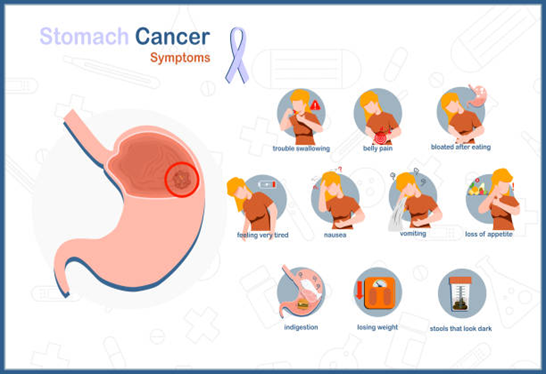
7 Early Signs of Stomach Cancer

Persistent stomach pain:

Unexplained pain or discomfort in the upper abdomen, especially after eating, can be a sign of stomach cancer.

Bloating and fullness:

A feeling of fullness or bloating after eating even small amounts of food can indicate problems with the stomach.

Indigestion or heartburn:

Frequent indigestion or heartburn that doesn’t go away can be linked to stomach cancer.

Loss of appetite:

A sudden or unexplained loss of appetite is a red flag, particularly when accompanied by other symptoms such as nausea.

Nausea and vomiting:

Ongoing nausea or vomiting, particularly when it’s unexplained, should be investigated further.

Unexplained weight loss:

Sudden weight loss without trying can indicate a severe underlying issue, such as stomach cancer.

Blood in stool or black stools:

This could be a sign of internal bleeding caused by stomach cancer, which should be evaluated immediately.

Many early symptoms of stomach cancer can be mistaken for less severe conditions. Let’s explore how to differentiate between common symptoms and signs of stomach cancer.

Symptoms Often Misattributed to Harmless Causes

R

Indigestion and bloating:

Most people have bloating or indigestion at some time, whether from diet or stress. When these symptoms recur regularly or get worse with time, they may signal an underlying condition such as stomach cancer.

R

Fatigue:

While feeling tired all the time is a common symptom, it is essential to note whether it is unexplained or worsening despite good rest.

R

Nausea and vomiting:

Often dismissed as a stomach bug or food poisoning, prevailing nausea and vomiting that fail to subside should be further evaluated.

R

Loss of appetite:

While stress or a minor illness can cause a temporary loss of appetite, it should never be long-term.

R

Heartburn:

Occasional heartburn is a common problem, but chronic heartburn that does not relieve with over-the-counter antacids may be the first sign of an underlying condition such as stomach cancer.

Let’s look at key signs that indicate you should seek prompt medical help.

When to Seek Immediate Medical Attention

Severe stomach pain that comes on suddenly and doesn't improve

Blackness of blood or presence of blood in vomit or stool: This may imply internal bleeding and needs immediate medical attention.

Unexplained rapid and persistent weight loss

Difficulty swallowing may be due to the spread of cancer to the esophagus

Nausea or vomiting that is persistent and does not settle

“Early medical intervention is the key to effective treatment, so one should not wait for aggravation of symptoms. The sooner you seek help, the better the chances of successful treatment,”

advises Dr. Sandeep Nayak, a prominent surgical oncologist in Bangalore, India.

How is stomach cancer diagnosed, and what tests are involved? Let’s take a look.

How Stomach Cancer Is Diagnosed

Physical examination:

A doctor will begin with a thorough physical exam to assess for signs of abdominal tenderness or swelling.

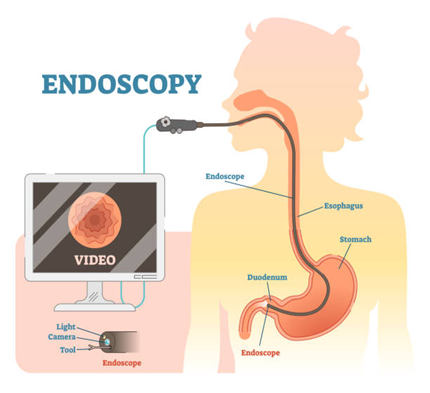
Endoscopy:

This procedure involves using a flexible tube with a camera to view the inside of the stomach and take tissue samples (biopsy).

Imaging tests:

CT scans, MRIs, and ultrasounds can provide detailed images of the stomach and surrounding organs, helping doctors assess the spread of cancer.

Blood tests:

There may also be specific blood markers elevated in a person with stomach cancer, which can aid in diagnosis.

Biopsy:

A tissue sample taken during an endoscopy is sent to a lab to confirm whether cancer cells are present.

Conclusion:

Recognizing the early signs of stomach cancer is crucial for early intervention and effective treatment. If you experience persistent symptoms like stomach pain, nausea, unexplained weight loss, or blood in your stool, it’s essential to consult a doctor as soon as possible. Early detection plays a key role in improving the chances of successful treatment and survival. Dr. Sandeep Nayak offers comprehensive treatment for stomach and esophageal cancer in Bangalore, ensuring personalized care for every patient.

Worried about your symptoms? Schedule a diagnostic appointment with a specialist for accurate and timely testing.

Frequently Asked Questions

1. Is stomach cancer curable?

Stomach cancer can be curable if detected early, with surgery, chemotherapy, and targeted therapies offering high chances of success in early-stage cases.

2. What are the first warning signs of stomach cancer?

The first signs often include persistent stomach pain, bloating, loss of appetite, nausea, and unexplained weight loss.

3. What is stage 1 stomach cancer like?

In stage 1, cancer is typically confined to the inner lining of the stomach, and treatment is often successful with surgery and other therapies.

4. How do I check myself for stomach cancer?

There are no direct self-tests, but you should be vigilant for symptoms such as persistent indigestion, pain, or changes in stool. Schedule regular screenings if you’re at risk.

5. What is the red flag for stomach cancer?

The red flags include unexplained weight loss, persistent nausea, and blood in stool, especially if accompanied by abdominal pain.

Reference links:

https://www.kucancercenter.org/news-room/blog/2021/01/11-common-early-signs-stomach-cancer

https://www.cancer.org/cancer/types/stomach-cancer/detection-diagnosis-staging/signs-symptoms.html


Disclaimer:

The information shared in this content is for educational purposes and not for promotional use.