
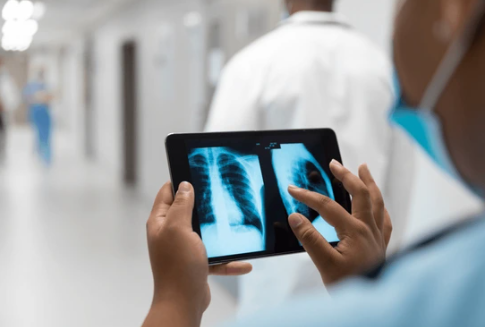
Not directly. A DEXA scan was designed to measure bone density. That’s its job. That’s what it was built for. But here’s what most people sitting with an unexpected DEXA result don’t know. Sometimes while doing that job it picks up changes in bone structure that raise questions worth investigating properly. And occasionally those questions lead somewhere more serious than osteoporosis.
According to Dr. Sandeep Nayak, cancer specialist in Bangalore,
“A DEXA scan isn’t a cancer screening tool but sometimes it finds things in bones that point toward something we absolutely need to investigate further.”
What Does a DEXA Scan Actually Do and What Can It Pick Up?
Most people getting a DEXA scan are thinking about bone loss. Osteoporosis. Fracture risk. Nobody walks into that appointment expecting a cancer conversation. But sometimes that’s exactly where it goes.
- It Measures Bone Mineral Density With Remarkable Precision: DEXA uses low dose X-ray beams to measure how dense and strong your bones are at the spine and hip giving doctors a precise picture of bone health that no other scan provides as accurately.
- It Can Detect Unusual Bone Changes That Weren’t Expected: When bone density appears abnormally low in a pattern that doesn’t match typical osteoporosis or when focal bone lesions show up in the scan field something more than age related bone loss may be happening inside those bones.
- Cancers That Spread to Bone Sometimes Change Bone Density in Ways DEXA Picks Up: Bone metastases from breast, prostate, lung, kidney and thyroid cancers alter bone structure and density in ways that occasionally appear on DEXA scans before the patient has any pain or obvious symptoms at all.
- Multiple Myeloma Is the Blood Cancer Most Closely Linked to Unexpected DEXA Findings: This bone marrow cancer actively destroys bone from the inside and significantly abnormal DEXA results in someone without clear osteoporosis risk factors should prompt investigation for myeloma specifically.
In cases of cancers where a high degree of accuracy in tumour removal is demanded in anatomically complex regions, innovative robotic surgery technologies are becoming a popular method of enhancing the accuracy of surgery and recovery in patients.
When Should a DEXA Result Actually Prompt Cancer Investigation?
This is the part most patients never get told clearly. And it matters because the difference between acting on a finding and filing it away is sometimes the difference between catching something early and missing the window entirely.
- Severe Unexplained Bone Loss in Someone Without Osteoporosis Risk Factors: If you’re relatively young, haven’t had long term steroid use and don’t have other obvious causes for bone loss but your DEXA shows severely low density that pattern needs a full blood workup not just a bone density recheck.
- Focal Lesions or Asymmetric Changes That Appear in the Scan Field: DEXA occasionally captures part of the spine or pelvis where focal abnormalities appear and any localised bone lesion seen incidentally needs follow up imaging with CT or MRI to understand what it actually represents.
- Rapidly Worsening Bone Density Between Two Scans Done Close Together: Normal bone loss happens slowly over years. Density that drops dramatically in twelve to eighteen months is losing bone far faster than biology normally allows and that speed demands an explanation beyond just ageing.
- DEXA Findings Alongside Symptoms That Don’t Fit a Simple Osteoporosis Story: Bone pain that wakes you at night, unexplained fatigue, weight loss or anaemia sitting alongside a concerning DEXA result is a combination that needs oncology eyes on it without delay.
The newly developed laparoscopic surgery techniques can facilitate the achievement of effective removal of the tumour in smaller incisions and less time of recovery in the right patients in the event of early diagnosis and localisation of the cancer.
Why Choose Dr. Sandeep Nayak for Cancer Treatment in Bangalore?
Dr. Sandeep Nayak has spent over 24 years treating cancers that don’t always introduce themselves in obvious ways. Bone metastases from thyroid, colorectal and gastrointestinal cancers. Multiple myeloma presentations that started as inexplicable bone density changes. Complex cases where the first clue was hiding inside a scan result that most people would never connect to oncology at all. As one of the most trusted cancer specialists in Bangalore he reads unexpected findings with genuine curiosity rather than dismissal. He investigates what doesn’t fit. He asks the questions that turn a confusing result into a clear diagnosis. And he builds a cancer treatment plan around what he actually finds rather than what was expected going in.
Frequently Asked Questions
Does a normal DEXA scan completely rule out bone cancer or bone metastases?
No, DEXA is not a cancer screening tool and normal bone density doesn’t exclude bone metastases or early myeloma which need dedicated imaging and blood tests to properly evaluate.
Which cancers most commonly spread to bone and affect DEXA scan results?
Breast, prostate, lung, kidney and thyroid cancers most commonly spread to bone while multiple myeloma directly destroys bone from within the marrow affecting density measurements significantly.
What tests should follow an unexplained abnormal DEXA scan result?
Full blood count, serum protein electrophoresis, PSA, tumour markers and follow up MRI or CT of the abnormal area together give the most complete diagnostic picture.
Can bone density improve again after cancer treatment for bone metastases?
Yes, some cancer treatments including bisphosphonates and denosumab alongside primary cancer treatment can stabilise and in some cases partially restore bone density affected by metastatic disease.
Reference links:
-
National Cancer Institute – Bone Metastases
https://www.cancer.gov/publications/dictionaries/cancer-terms/def/bone-metastasisRadiologyInfo.org – Bone Density Scan (DEXA or DXA)
https://www.radiologyinfo.org/en/info/dexa - Disclaimer: The information shared in this content is for educational purposes and not for promotional use.
