
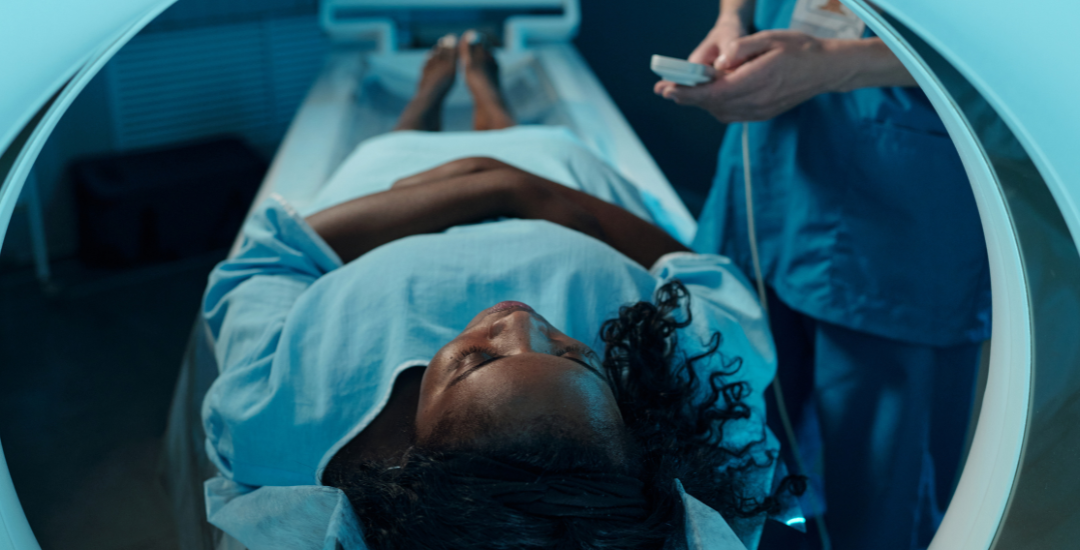
No. MRI does not cause cancer. Unlike CT scans or X-rays MRI uses magnetic fields and radio waves not ionising radiation. There is no radiation entering your body during an MRI scan. None. Zero. The fear around MRI and cancer is completely understandable but it has no scientific foundation and avoiding a scan your doctor needs because of this fear causes real harm.
According to Dr. Sandeep Nayak, surgical oncologist in India,
“MRI is one of the safest imaging tools we have and the fear of cancer from MRI is costing some patients the early diagnosis that changes everything.”
Why Do People Worry That MRI Might Cause Cancer?
The confusion comes from specific places and understanding them clearly puts the fear to rest permanently.
- MRI Gets Grouped With CT and X-Ray in People’s Minds as Radiation Based Imaging: CT scans and X-rays use ionising radiation that can theoretically damage DNA with repeated exposure but MRI operates on completely different physics involving magnetic fields and radio waves that carry no such risk whatsoever.
- The Word Scan Creates an Automatic Association With Radiation in Most People’s Thinking: Because scans are ordered together and discussed together in oncology settings the assumption that all medical imaging works the same way is completely understandable even though it’s completely wrong about how MRI functions.
- Gadolinium Contrast Used in Some MRI Scans Created Real but Misrepresented Safety Concerns: Gadolinium deposits have been found retained in brain tissue after multiple contrast MRI scans and while research is ongoing no study has linked gadolinium retention to cancer development in any patient population.
- Online Health Communities Amplify Rare Case Reports Into General Warnings That Don’t Reflect the Science: A single unusual finding or a cautionary case report travels through social media and health forums at a speed that peer reviewed reassurance from decades of MRI safety research simply never matches.
In cases of cancers where a high degree of accuracy in tumour removal is demanded in anatomically complex regions, innovative robotic surgery technologies are becoming a popular method of enhancing the accuracy of surgery and recovery in patients..
What Imaging Does Actually Carry Radiation Risk Worth Knowing About?
Not all imaging is equal and understanding the genuine risks helps you make informed decisions about your own cancer treatment journey.
- CT Scans Use Ionising Radiation and Repeated Scans Over Time Do Carry a Small Cumulative Risk: Each CT scan exposes the body to a dose of radiation comparable to several months of natural background radiation and while a single scan poses minimal risk repeated scans without clear clinical justification deserve discussion with your doctor.
- Chest X-Rays Deliver Very Low Radiation Doses That Are Considered Negligible for Most Patients: A standard chest X-ray delivers approximately the same radiation as a few hours of natural background radiation making the risk for any individual scan essentially theoretical rather than clinically meaningful.
- PET Scans Involve Radioactive Tracers and Should Be Ordered With Genuine Clinical Justification: PET imaging involves injecting a radioactive glucose tracer that delivers meaningful radiation exposure making proper clinical indication important when these scans are being considered as part of cancer treatment planning.
- Fluoroscopy and Interventional Radiology Procedures Deliver the Highest Radiation Doses in Diagnostic Medicine: Prolonged fluoroscopy guided procedures can deliver significant radiation exposure to both patient and surrounding tissue making experienced operator technique and time minimisation genuinely important for patient safety.
The newly developed laparoscopic surgery techniques can facilitate the achievement of effective removal of the tumour in smaller incisions and less time of recovery in the right patients in the event of early diagnosis and localisation of the cancer.appeared.
Why Choose Dr. Sandeep Nayak for Cancer Treatment in India?
Dr. Sandeep Nayak has spent over 24 years using every available imaging modality including MRI, CT, PET and ultrasound to guide surgical oncology decisions across thyroid, colorectal, gastric, adrenal and gynaecological cancers. As one of India’s most experienced surgical oncologists he understands which scan answers which clinical question, when imaging findings need biopsy confirmation and when a patient’s fear of a recommended scan needs a proper evidence based conversation rather than simple reassurance. He never orders imaging without clear purpose and never allows imaging anxiety to stand between a patient and the early diagnosis that changes their outcome.
Frequently Asked Questions
Is it safe to have multiple MRI scans over months or years of cancer monitoring?
Yes, multiple MRI scans carry no cumulative radiation risk because MRI uses magnetic fields and radio waves rather than the ionising radiation that creates dose related concerns with CT scanning.
Should patients with metal implants be worried about having an MRI scan safely?
Most modern implants are MRI compatible but always inform the MRI team about any metal in your body including surgical clips, joint replacements and pacemakers before any scan is performed.
Can MRI detect cancer more accurately than CT scanning in certain body areas?
Yes, MRI provides superior soft tissue contrast making it more accurate than CT for brain, spinal cord, pelvic organs and soft tissue tumours while CT remains better for lung and bony detail.
Does gadolinium contrast used in MRI scans cause any proven long term health problems?
No cancer or serious long term health outcome has been causally linked to gadolinium retention in published research though monitoring and minimising unnecessary contrast use remains sensible clinical practice.
Reference links:
- https://www.radiologyinfo.org/en/info/safety-mr
- https://www.fda.gov/drugs/drug-safety-and-availability/fda-drug-safety-communication-fda-warns-gadolinium-based-contrast-agents-gbcas-are-retained-body
- Disclaimer: The information shared in this content is for educational purposes and not for promotional use.
