
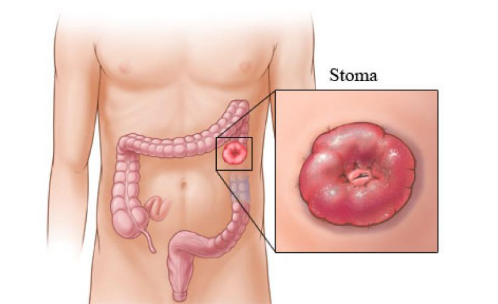
Yes and that answer surprises more rectal cancer patients than it should because somewhere along the way the idea got established that a colostomy bag is just what rectal cancer means and that’s genuinely not true for a large number of patients whose tumour location, treatment response and access to a surgeon experienced enough to attempt preservation would have made stoma avoidance entirely possible if anyone had told them to ask.
According to Prof. Dr. Sandeep Nayak, Surgical Oncologist in India, “A permanent colostomy is not inevitable for most rectal cancer patients. The right surgical technique at the right centre changes what’s achievable on the table significantly.”
When Can Rectal Cancer Be Treated Without a Colostomy?
These are the factors that genuinely determine whether you need a permanent bag or not:
- Tumour height: Upper and mid rectal cancers almost never need a permanent stoma and lower rectal tumours close to the sphincter aren’t automatically a bag situation either at a centre where the surgeon has the volume and the specific technique to work in that space properly.
- Chemo and radiation first: A tumour that shrinks well with chemoradiation before surgery creates options on the table that weren’t there before treatment started and a good response is one of the main things that turns what looked like a stoma case into a preservation case.
- Who does the surgery: Inter-sphincteric resection and ultra-low anterior resection aren’t procedures every surgeon offering rectal cancer surgery actually does at volume and the outcomes difference between someone doing these regularly versus occasionally is real enough that it should be part of your decision about where to go.
- Watch and wait: Patients who respond completely to chemoradiation are sometimes managed with close surveillance rather than immediate surgery and that approach avoids both a stoma and a major operation for the right patients at specialist centres set up to handle it properly.
The information about how much surgical experience and technique affects stoma outcomes is something patients deserve to have before they agree to treatment anywhere not after. Rectal cancer treatment at a specialist surgical oncology centre starts with a genuine honest assessment of what preservation looks like for your specific tumour before a theatre slot gets booked.
What Makes Sphincter-Preserving Surgery Possible or Not?
These are the things that actually determine whether the sphincter can be saved in your case:
- Distance to sphincter: One to two centimetres is genuinely the hardest territory and whether preservation is safe depends not just on the anatomy but on whether the sphincter muscle remaining after resection can still do what the patient needs it to do every day afterward.
- Getting clean margins: A clear distal margin below the tumour while keeping the sphincter in place is the technical crux of low rectal cancer surgery and the robotic view and wristed instruments working in the narrow pelvis reach angles that hands in that same space physically cannot get to safely.
- Function is the real question: Keeping the sphincter anatomically isn’t the same as keeping function and low anterior resection syndrome with urgency, clustering and frequency is a real outcome patients need to understand honestly before they choose preservation over a well-functioning stoma.
- Temporary isn’t permanent: Most sphincter-preserving low rectal operations put a temporary defunctioning stoma in to protect the join while it heals and that reverses in a smaller second procedure a few months later so waking up with a bag after this surgery isn’t the same as having one for life.
What’s realistic for your case is a conversation that needs your MRI, your staging scans and a surgeon who has done enough of these to know the honest difference between what’s achievable and what’s false reassurance. Colon cancer treatment at specialist surgical oncology centres covers the full colorectal spectrum where avoiding unnecessary permanent stomas is a conversation that happens at the very first appointment.
Why Choose Dr. Sandeep Nayak for Cancer Treatment?
Dr. Sandeep Nayak has spent over 24 years doing rectal cancer surgery and built MIND and RIA-MIND for exactly the situation that low rectal cancer presents, operating deep in the narrow pelvis with the precision that genuine sphincter preservation in difficult cases demands rather than just the cases where it was always going to work anyway. He chairs Oncology Services across Karnataka and sees patients at MACS Clinic in Bangalore. Dr. Nayak will look at your imaging and tell you straight whether preservation is realistic for your case or whether a permanent stoma is genuinely the safer answer and patients need that honesty from someone who’s operated in that space enough times to actually know.
Frequently Asked Questions
Can rectal cancer be treated without a colostomy bag?
Yes in many cases, where the tumour sits, how it responds to chemoradiation and how experienced the surgeon is with sphincter preservation all determine whether it’s achievable.
What determines if a permanent stoma can be avoided?
Tumour height, response to neoadjuvant chemoradiation and the surgical team’s actual experience with sphincter-preserving low rectal techniques are the deciding factors.
Is a temporary stoma the same as a permanent colostomy?
No, a temporary stoma protecting the bowel join while it heals gets reversed in a second smaller operation typically three to six months after the main surgery.
Does robotic surgery help avoid a permanent bag in rectal cancer?
Yes, the precision robotic surgery allows in the narrow pelvis makes sphincter preservation achievable in cases where open surgery in that space would more likely result in a permanent stoma.
Reference links:
- National Cancer Institute. Rectal Cancer Treatment. https://www.cancer.gov/types/colorectal/patient/rectal-treatment-pdq
- American Cancer Society. Surgery for Colorectal Cancer. https://www.cancer.org/cancer/types/colon-rectal-cancer/treating/surgery.html
- Disclaimer: The information shared in this content is for educational purposes and not for promotional use.
