
Rectal cancer treatment typically involves a combination of surgery, chemotherapy, and radiation therapy, depending on the cancer’s stage and location. The goal of treatment is to remove the cancerous tissue, prevent further spread, and improve the patient’s quality of life. However, recovery after rectal cancer treatment is a crucial aspect of the overall process, and it involves more than just medical intervention. A proper diet and lifestyle choices are essential for boosting the immune system, enhancing the body’s ability to heal, and minimizing side effects from treatments like chemotherapy and radiation.
Dr. Sandeep Nayak, a distinguished surgical oncologist in India, emphasizes, “A well-balanced diet, regular exercise, and good hydration habits are crucial during rectal cancer recovery, aiding in faster healing and overall well-being.”
With years of experience in both surgical interventions and post-treatment recovery strategies, Dr. Nayak has helped countless patients achieve optimal recovery. At MACS Clinic, he offers advanced, personalized care plans that support both medical treatment and long-term recovery for patients with rectal cancer in Bangalore. Dr. Sandeep Nayak is committed to guiding patients through their recovery and empowering them to lead healthy lives after treatment.
Understanding Rectal Cancer and Its Impact on the Body
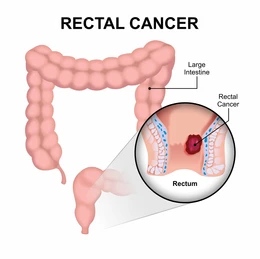
Rectal cancer is a condition that develops in the lining of the rectum and involves abnormal cell growth. As the disease advances, it can spread to the surrounding tissues, lymph nodes, or other organs. Surgery, chemotherapy, and radiation therapy are effective ways of targeting cancer cells, but they may also temporarily affect the digestive system and energy levels in general.
During treatment and recovery, the common effects can include:
* Changes in bowel habits
* Fatigue and weakness
* Reduced appetite
* Digestive discomfort
* Nutritional deficiencies
Diet and lifestyle preferences significantly support healing and strength throughout rectal cancer recovery because the digestive tract is directly involved.
Why Diet and Lifestyle Matter During Rectal Cancer Recovery
During rectal cancer treatment, the body works harder to repair tissues and maintain immune function. Essential nutrients include those that support healing, improve energy levels, and reduce treatment side effects.
Lifestyle changes can help:
* Strengthen the immune system
* Maintain body weight and muscle strength
* Improve gut health and digestion
* Reduce fatigue during treatment
* Support faster healing after surgery
Small yet regular lifestyle modifications that include a balanced diet, physical exercise, and proper rest are usually helpful to patients treated for rectal cancer.
Looking for ways to improve your recovery after treatment? Guidance from an experienced oncologist can help create a supportive lifestyle plan.
Essential Nutrients Rectal Cancer Patients Need
Certain nutrients are particularly important for patients undergoing rectal cancer treatment and recovery:
1. Protein
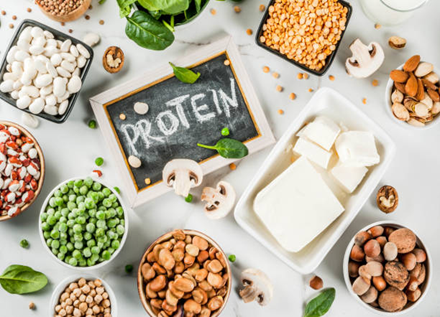
Protein helps repair tissues and maintain muscle strength.
Sources include:
● Lean chicken and fish
● Eggs
● Lentils and beans
● Tofu and dairy products
2. Fiber
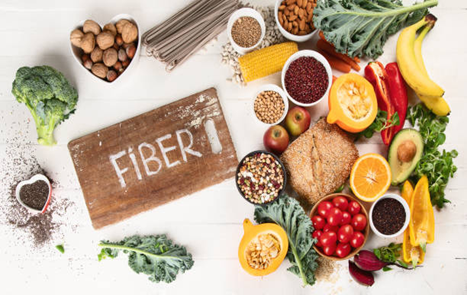
Fiber supports healthy digestion and bowel function.
Good sources include:
● Whole grains
● Fruits and vegetables
● Oats and brown rice
However, fiber intake may need to be adjusted based on individual digestive tolerance after treatment.
3. Vitamins and Minerals
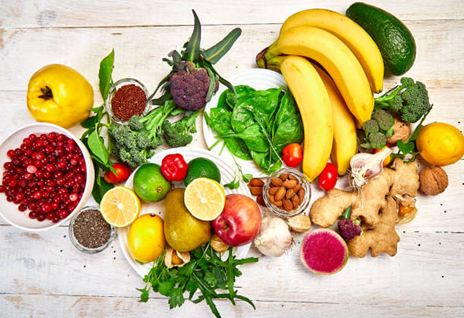
Nutrients such as vitamin C, vitamin D, iron, and zinc support immune function and healing.
Sources include:
● Citrus fruits
● Leafy greens
● Nuts and seeds
● Dairy products
4. Healthy Fats
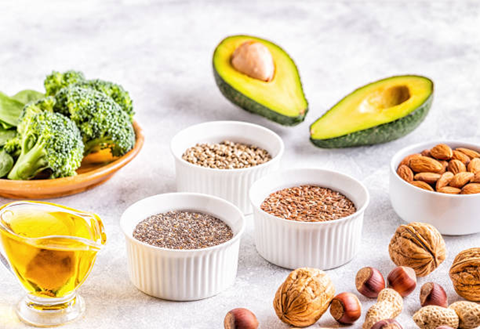
Healthy fats provide energy and help absorb essential vitamins.
Sources include:
- Avocados
- Olive oil
- Nuts and seeds
A balanced diet rich in these nutrients can significantly improve recovery from rectal cancer.
Foods Rectal Cancer Patients Should Limit or Avoid

Certain foods may worsen digestive discomfort or slow recovery during rectal cancer treatment.
Patients are often advised to limit:
- Processed foods are high in preservatives
- Red and processed meats
- High-fat fried foods
- Excess sugar and sugary beverages
- Alcohol and tobacco
Spicy foods may also cause digestive irritation in some patients during treatment or recovery.
“Reducing intake of these foods while focusing on nutrient-rich options can improve digestive health and overall well-being,” advises Dr. Sandeep Nayak, a highly regarded oncologist in Bangalore.
Importance of Hydration During Treatment and Recovery
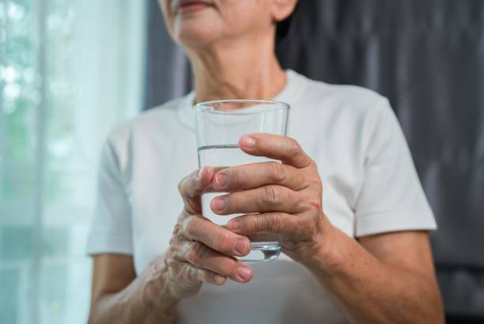
Hydration is crucial for the body’s recovery after rectal cancer. Chemotherapy and radiation are some of the treatments that can cause dehydration through nausea, diarrhea, or reduced appetite.
The advantages of hydration are:
* Supporting digestion
* Maintaining energy levels
* Assist in expelling toxins from the body
* Preventing fatigue and dizziness.
* Supporting kidney function
Patients are generally encouraged to drink 6–8 glasses of fluids daily, including water, soups, herbal teas, and, if recommended, electrolyte-rich beverages.
Conclusion
Recovery from rectal cancer involves more than medical treatment alone. Proper nutrition, hydration, and healthy lifestyle habits play a key role in helping the body regain strength and improve overall well-being. By focusing on balanced meals, essential nutrients, and supportive daily routines, patients can enhance their recovery from rectal cancer and improve their quality of life during and after treatment.
With guidance from Dr. Sandeep Nayak, patients can receive personalized recommendations that combine effective rectal cancer treatment in Bangalore with supportive lifestyle strategies.
Frequently Asked Questions
1. What foods are best for rectal cancer recovery?
2. Can diet affect rectal cancer recovery?
3. Is fiber important for rectal cancer patients?
4. Should rectal cancer patients avoid red meat?
5. Are supplements necessary during rectal cancer treatment?
6. Does rectal cancer treatment affect appetite?
7. What lifestyle changes support rectal cancer recovery?
Reference links:
https://bowelcancernz.org.nz/wp-content/uploads/2017/02/Healthy-Eating-After-Colorectal-Cancer.pdf
https://pmc.ncbi.nlm.nih.gov/articles/PMC4258898/
Disclaimer: The information shared in this content is for educational purposes and not for promotional use.
