
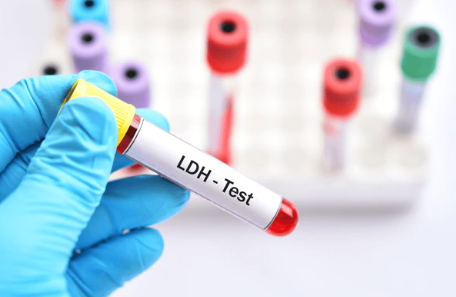
High lactate dehydrogenase (LDH) levels do not automatically mean that you have cancer, although they can sometimes be associated with it. LDH is a non-specific enzyme that is released into the bloodstream when cells are damaged or destroyed. Because of this, elevated LDH levels can occur in many different medical conditions.
Infections, liver disease, heart attacks, muscle injuries, and inflammatory disorders are common non-cancerous causes of high LDH levels. The enzyme simply indicates that tissue damage or increased cell turnover is occurring somewhere in the body.
According to Dr. Sandeep Nayak,
“Elevated LDH levels indicate tissue damage somewhere in the body, but LDH alone cannot confirm a cancer diagnosis. It is a supportive marker that must be interpreted along with clinical findings and imaging studies.”
What Does a High LDH Level Indicate?
LDH is released into the bloodstream when cells are damaged. Therefore, an elevated LDH level reflects ongoing cell injury rather than a specific disease.
- Tissue damage: Conditions such as muscle injury, heart attack, or liver disease can increase LDH levels. The enzyme rises when cells break down.
- Infections and inflammation: Severe infections or inflammatory conditions may cause temporary elevation. This is often reversible with treatment.
- Blood disorders: Hemolytic anemia and other blood-related conditions can lead to increased LDH. It reflects red blood cell destruction.
- Liver diseases: Hepatitis or liver damage can elevate LDH levels. Liver function tests are usually checked alongside.
If elevated LDH is linked to concerns about blood-related cancers, you can learn more about diagnosis, treatment options, and outcomes in this detailed guide on blood cancer treatment and survival
Can High LDH Levels Be a Sign of Cancer?
While high LDH levels can be associated with cancer, it is not a definitive diagnostic test. It serves as an indicator that further evaluation may be required.
- Tumor growth and cell turnover: Rapidly growing cancers release more LDH into the blood. This is common in aggressive malignancies.
- Advanced-stage cancers: Elevated LDH is sometimes seen in stage 4 cancer. It may reflect widespread tissue involvement.
- Monitoring treatment response: LDH levels may be used to track cancer progression or response to therapy. Declining levels can indicate improvement.
- Part of cancer workup: LDH is considered along with imaging scans and biopsy results. It cannot confirm cancer independently.
In certain cases where surgical management is recommended, advanced options such as robotic cancer surgery may be part of a comprehensive and precise treatment approach.
Why Choose Dr. Sandeep Nayak for Cancer Evaluation?
Dr. Sandeep Nayak is a leading oncologist in Bangalore with extensive expertise in cancer diagnosis tests and advanced cancer treatment planning. With a strong focus on evidence-based evaluation, Dr. Sandeep Nayak carefully interprets markers like high LDH levels in the context of imaging, biopsy, and clinical assessment. His experience in managing complex cancers, including metastatic cancer and hematological malignancies, ensures accurate diagnosis and personalized treatment strategies tailored to each patient.
Frequently Asked Questions
What level of LDH indicates cancer?
There is no specific LDH level that confirms cancer. Elevated levels require further investigation.
Can LDH be high without cancer?
Yes, many non-cancerous conditions like infections and liver disease can increase LDH.
Is LDH a tumor marker?
LDH is not a specific tumor marker but may support diagnosis and monitoring in certain cancers.
Is high LDH a sign of stage 4 cancer?
High LDH can be seen in advanced cancers, but it does not confirm stage 4 disease. Further tests are required for diagnosis.
Reference links:
-
MedlinePlus – LDH (Lactate Dehydrogenase) Test
https://medlineplus.gov/lab-tests/lactate-dehydrogenase-ldh-test/ -
American Cancer Society – Understanding Lab Tests Used for Cancer
https://www.cancer.org/cancer/diagnosis-staging/tests/lab-tests.html
Disclaimer: The information shared in this content is for educational purposes and not for promotional use.
