
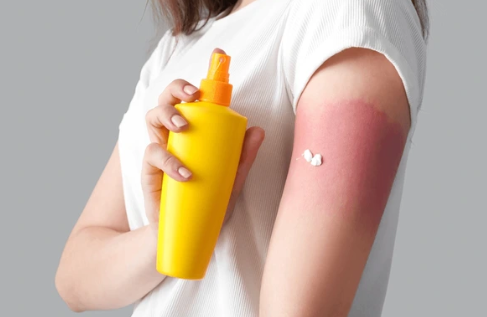
No. It doesn’t. Full stop. And yet here we are in a world where this question gets typed into Google thousands of times every single day. People are genuinely scared of their sunscreen. Genuinely choosing to skip it because of something they half read on Instagram. And that choice. That one small daily choice. is quietly doing real damage to real people who deserve better information than what the internet is currently giving them.
According to Dr. Sandeep Nayak, cancer specialist in Bangalore,
“Sunscreen preventing skin cancer has more evidence behind it than almost anything else in dermatological oncology and the myths pushing people away from it are genuinely costing lives.”
So Where Did This Fear Even Come From?
Because it didn’t appear from nowhere. Something started this. And understanding what actually happened helps you see why the fear got so much bigger than the actual science ever justified.
- Oxybenzone Got Pulled Out of Context and Turned Into a Horror Story: A study found oxybenzone absorbing into the bloodstream. That part is true. What got left out is that absorption into the blood is not the same as causing cancer and no human study has ever made that connection stick.
- The Vitamin D Argument Sounds Convincing Until You Look at It Properly: Yes sunscreen reduces vitamin D synthesis. Yes low vitamin D has cancer associations. But brief daily sun exposure plus food sources handles vitamin D needs perfectly well without abandoning UV protection for hours every day.
- A Benzene Contamination Scandal Got Applied to Every Sunscreen Ever Made: Specific products got recalled after benzene was found in them. Benzene is genuinely carcinogenic. But contamination in a handful of recalled products is not the same thing as sunscreen being inherently dangerous. Not even close to the same thing.
- Chemical Versus Mineral Sunscreen Arguments Created Fear Where None Was Warranted: Both types are safe. Both are approved. Neither causes cancer. The debate got hijacked by wellness influencers who turned a legitimate formulation preference into a public health scare that never needed to exist.
In the case of early diagnosis and localisation of the cancer, the novel laparoscopic surgery methods can promote successful removal of the tumour using smaller incisions and shorter recovery time in the right patients.malignancy in long term follow up studies.
What Actually Causes Skin Cancer? Because It's Worth Knowing Clearly.
If you’ve been worried about sunscreen you might not have spent much time worrying about the things that genuinely deserve your concern. Here they are.
- The Sun Itself Is What You Should Actually Be Thinking About: Every unprotected exposure accumulates DNA damage in your skin cells and that damage stacks up quietly over years before it ever becomes something a doctor can see or feel.
- Tanning Beds Are Genuinely One of the Most Reckless Things You Can Do to Your Skin: Using one before the age of 35 increases your melanoma risk by 75% according to published research. Not 10%. Not 20%. Seventy five percent. That number deserves to be read slowly.
- Your Personal Risk Profile Matters More Than Most People Realise: Fair skin, light eyes, a childhood history of sunburns, a family member with melanoma. Any one of these raises your baseline risk considerably and most people have never had that conversation with a specialist.
- Watching a Changing Mole at Home Instead of Getting It Checked Is How Late Melanoma Diagnoses Happen: Melanoma doesn’t hurt early on. It just changes. Slowly. Quietly. And by the time it becomes something you can’t ignore anymore it’s often already done more than it needed to.
In cases of cancers where a high degree of accuracy in tumour removal is demanded in anatomically complex regions, innovative robotic surgery technologies are becoming a popular method of enhancing the accuracy of surgery and recovery in patients.
Why Choose Dr. Sandeep Nayak for Cancer Treatment in Bangalore?
Dr. Sandeep Nayak has spent over 24 years treating skin cancers including melanomas that arrived at his clinic later than they needed to because someone waited too long before taking a changing mole seriously. As one of the most experienced cancer specialists in Bangalore he performs minimally invasive skin cancer excisions, sentinel lymph node mapping and complex reconstructive procedures for advanced cases. But every single time the conversation comes up he says the same thing. The best cancer treatment is the one you never need. And consistent sunscreen use every single day is one of the simplest and most powerful ways to make that statement true for your own skin.
Frequently Asked Questions
Can using sunscreen daily actually reduce your real skin cancer risk?
Yes, consistent broad spectrum sunscreen use is one of the most evidence backed daily habits for meaningfully reducing long term skin cancer risk over a lifetime.
Which sunscreen ingredients should you genuinely be cautious about using?
No ingredient in currently approved sunscreen products has been proven to cause cancer and both chemical and mineral options are considered completely safe for daily use.
What skin changes should make you call a cancer specialist without waiting?
Any mole that changes shape, grows, darkens, develops irregular borders or bleeds without injury needs specialist evaluation immediately and not home monitoring for another few months.
Can people with darker Indian skin tones still develop skin cancer from sun exposure?
Absolutely yes. Darker skin has more natural protection but is not immune to skin cancer and late diagnosis in darker skin patients is unfortunately far more common than it should be.
Reference links:
-
American Academy of Dermatology – Sunscreen FAQs
https://www.aad.org/media/stats-sunscreenSkin Cancer Foundation – Sunscreen and Skin Cancer Prevention
https://www.skincancer.org/skin-cancer-prevention/sun-protection/sunscreen/ - Disclaimer: The information shared in this content is for educational purposes and not for promotional use.
