

Stomach or gastric cancer is a form of cancer that originates in the inner wall lining of the stomach. Although not as frequent as some other cancer types, it remains one of the most significant health conditions worldwide. It often grows very slowly over several years and may not be diagnosed until it has reached a relatively advanced stage. The chances of successful treatment and prolonged survival can be sufficiently improved if it is detected early.
According to Dr. Sandeep Nayak, an eminent surgical oncologist in India
“Stomach cancer usually presents with symptoms that are easy to dismiss as routine digestive complaints, thereby making the recognition of early signs of stomach cancer invaluable in changing outcomes of treatment.”
Dr. Nayak specializes in advanced treatment for stomach and esophageal cancer at MACS Clinic, Bangalore. He provides state-of-the-art diagnostics and cutting-edge treatment options, drawing on years of expertise, designed to meet patients’ needs and concerns.
In this blog, we will discuss the early signs of stomach cancer you should be aware of, so you can take the earliest possible action.
What is Colorectal Cancer?

Stomach cancers are cancers that occur in the inner lining of the stomach. Most stomach cancers start in the inner lining and can spread to deeper layers of the stomach and other parts of the body. The most common type of stomach cancer is adenocarcinoma, a kind of cancer that develops in the mucus-producing cells on the layer of the stomach. The cancer will spread to other organs, such as the lymph nodes and the liver, if not treated in time.
The risk of stomach cancer increases with factors such as age, a family history of the disease, infection with Helicobacter pylori bacteria, and certain lifestyle factors like smoking or a diet high in salt and low in fresh fruits and vegetables. Early-stage stomach cancer may not cause any noticeable symptoms, making it challenging to detect until it progresses
Why is it essential to detect stomach cancer early? Let’s explore.
Why Early Detection Matters
Early detection of stomach cancer greatly improves treatment outcomes. At early stages, the tumor is typically local, confined entirely to the stomach lining. At such stages, the cancer can be effectively treated through surgery, chemotherapy, and other therapies. However, when left untreated, stomach cancer grows and therefore spreads to nearby organs, making its treatment and recovery difficult. Symptoms of stomach cancer often overlap with less severe conditions, which is why it’s essential to act quickly if you notice any unusual or persistent signs.
Dr. Sandeep Nayak, an ace oncologist in India, emphasizes,
“Catching stomach cancer early can help prevent it from spreading to other parts of the body. Early intervention is key to improving the chances of a full recovery.”
What are the early warning signs of stomach cancer that you should watch for? Let’s dive into these common symptoms.
7 Early Signs of Stomach Cancer
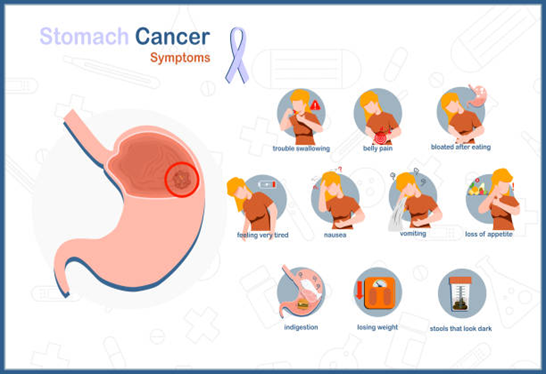
Persistent stomach pain:
Unexplained pain or discomfort in the upper abdomen, especially after eating, can be a sign of stomach cancer.
Bloating and fullness:
A feeling of fullness or bloating after eating even small amounts of food can indicate problems with the stomach.
Indigestion or heartburn:
Frequent indigestion or heartburn that doesn’t go away can be linked to stomach cancer.
Loss of appetite:
A sudden or unexplained loss of appetite is a red flag, particularly when accompanied by other symptoms such as nausea.
Nausea and vomiting:
Ongoing nausea or vomiting, particularly when it’s unexplained, should be investigated further.
Unexplained weight loss:
Sudden weight loss without trying can indicate a severe underlying issue, such as stomach cancer.
Blood in stool or black stools:
This could be a sign of internal bleeding caused by stomach cancer, which should be evaluated immediately.
Many early symptoms of stomach cancer can be mistaken for less severe conditions. Let’s explore how to differentiate between common symptoms and signs of stomach cancer.
Symptoms Often Misattributed to Harmless Causes
Indigestion and bloating:
Most people have bloating or indigestion at some time, whether from diet or stress. When these symptoms recur regularly or get worse with time, they may signal an underlying condition such as stomach cancer.
Fatigue:
While feeling tired all the time is a common symptom, it is essential to note whether it is unexplained or worsening despite good rest.
Nausea and vomiting:
Often dismissed as a stomach bug or food poisoning, prevailing nausea and vomiting that fail to subside should be further evaluated.
Loss of appetite:
While stress or a minor illness can cause a temporary loss of appetite, it should never be long-term.
Heartburn:
Occasional heartburn is a common problem, but chronic heartburn that does not relieve with over-the-counter antacids may be the first sign of an underlying condition such as stomach cancer.
Let’s look at key signs that indicate you should seek prompt medical help.
When to Seek Immediate Medical Attention
Severe stomach pain that comes on suddenly and doesn't improve
Blackness of blood or presence of blood in vomit or stool: This may imply internal bleeding and needs immediate medical attention.
Unexplained rapid and persistent weight loss
Difficulty swallowing may be due to the spread of cancer to the esophagus
Nausea or vomiting that is persistent and does not settle
“Early medical intervention is the key to effective treatment, so one should not wait for aggravation of symptoms. The sooner you seek help, the better the chances of successful treatment,”
advises Dr. Sandeep Nayak, a prominent surgical oncologist in Bangalore, India.
How is stomach cancer diagnosed, and what tests are involved? Let’s take a look.
How Stomach Cancer Is Diagnosed
Physical examination:
A doctor will begin with a thorough physical exam to assess for signs of abdominal tenderness or swelling.
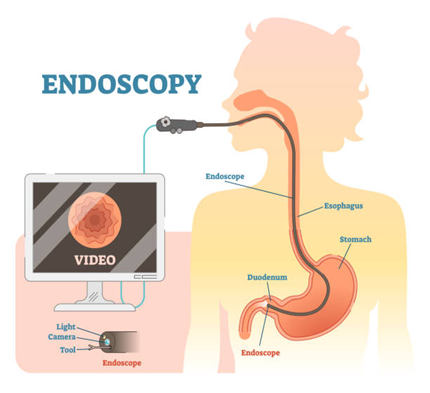
Endoscopy:
This procedure involves using a flexible tube with a camera to view the inside of the stomach and take tissue samples (biopsy).
Imaging tests:
CT scans, MRIs, and ultrasounds can provide detailed images of the stomach and surrounding organs, helping doctors assess the spread of cancer.

Blood tests:
There may also be specific blood markers elevated in a person with stomach cancer, which can aid in diagnosis.
Biopsy:
A tissue sample taken during an endoscopy is sent to a lab to confirm whether cancer cells are present.
Conclusion:
Recognizing the early signs of stomach cancer is crucial for early intervention and effective treatment. If you experience persistent symptoms like stomach pain, nausea, unexplained weight loss, or blood in your stool, it’s essential to consult a doctor as soon as possible. Early detection plays a key role in improving the chances of successful treatment and survival. Dr. Sandeep Nayak offers comprehensive treatment for stomach and esophageal cancer in Bangalore, ensuring personalized care for every patient.
Worried about your symptoms? Schedule a diagnostic appointment with a specialist for accurate and timely testing.
Frequently Asked Questions
1. Is stomach cancer curable?
Stomach cancer can be curable if detected early, with surgery, chemotherapy, and targeted therapies offering high chances of success in early-stage cases.
2. What are the first warning signs of stomach cancer?
The first signs often include persistent stomach pain, bloating, loss of appetite, nausea, and unexplained weight loss.
3. What is stage 1 stomach cancer like?
In stage 1, cancer is typically confined to the inner lining of the stomach, and treatment is often successful with surgery and other therapies.
4. How do I check myself for stomach cancer?
There are no direct self-tests, but you should be vigilant for symptoms such as persistent indigestion, pain, or changes in stool. Schedule regular screenings if you’re at risk.
5. What is the red flag for stomach cancer?
The red flags include unexplained weight loss, persistent nausea, and blood in stool, especially if accompanied by abdominal pain.
Reference links:
https://www.kucancercenter.org/news-room/blog/2021/01/11-common-early-signs-stomach-cancer
https://www.cancer.org/cancer/types/stomach-cancer/detection-diagnosis-staging/signs-symptoms.html
Disclaimer:
The information shared in this content is for educational purposes and not for promotional use.
