
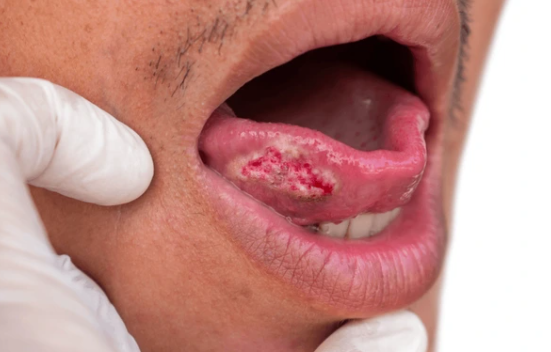
Oral cancer is largely preventable. That’s the part most people don’t hear clearly enough. The majority of oral cancer cases in India are directly linked to tobacco and areca nut use. Things people choose. Things people can stop. Not every cancer gives you that kind of control over your own risk. Oral cancer mostly does. And that makes the conversation about prevention genuinely worth having properly.
According to Dr. Sandeep Nayak, cancer specialist in Bangalore, “Most oral cancer patients I see could have significantly reduced their risk years earlier and that’s the conversation I wish happened before the diagnosis not after.”
What Can You Actually Do Today to Lower Your Oral Cancer Risk?
This isn’t a list of abstract medical recommendations. These are real specific things that genuinely change your biological risk in ways the research consistently backs up.
- Stop Using Tobacco in Every Form It Comes In: Cigarettes, bidis, gutka, pan masala, chewing tobacco, khaini. Every single one of these is a direct oral carcinogen and quitting any of them at any age measurably reduces your oral cancer risk from that point forward.
- Areca Nut Is the One Most Indians Seriously Underestimate: Betel nut chewing is deeply culturally normalised across India but areca nut is an independently classified carcinogen that causes oral submucous fibrosis which is a recognised precancerous condition that leads directly to cancer in a significant percentage of users.
- Get the HPV Vaccine If You Haven’t Already: HPV is the fastest growing cause of oropharyngeal cancers globally and vaccination before exposure provides substantial protection against the viral strains most strongly linked to oral and throat cancer development.
- Have Your Mouth Checked Properly Once a Year Even When Nothing Hurts: Most oral cancers begin as white patches, red patches or small ulcers that don’t cause pain in early stages.
Early detection through regular screening and specialist evaluation remains one of the most effective strategies to prevent advanced oral cancer and improve long-term outcomes.
What Early Warning Signs Should You Absolutely Never Ignore?
Prevention is one conversation. But catching something early when it does appear is equally important. These signs deserve your immediate attention.
- A Mouth Ulcer That Simply Won’t Heal After Three Weeks: Normal mouth ulcers heal. They always do. One that’s still sitting there after three weeks without healing is not a normal mouth ulcer and needs a specialist to look at it properly.
- White or Red Patches Inside Your Mouth That Weren’t There Before: Leukoplakia and erythroplakia are precancerous changes that show up as white or red patches on the tongue, cheek lining or gum and both need biopsy to understand what’s happening at a cellular level underneath.
- Numbness or Difficulty Moving Your Tongue or Jaw Properly: When cancer has grown beyond the surface layer it starts affecting nerves and muscle movement and these functional changes showing up in your mouth or jaw area need immediate specialist evaluation.
- A Lump in Your Neck That Appeared Without Any Obvious Infection: Painless neck lumps in someone who uses tobacco or areca nut regularly are lymph nodes that may be reacting to oral cancer spread and this particular combination of findings needs urgent investigation without waiting.
In cases of cancers where a high degree of accuracy in tumour removal is demanded in anatomically complex regions, innovative robotic surgery technologies are becoming a popular method of enhancing the accuracy of surgery and recovery in patients.
Why Choose Dr. Sandeep Nayak for Cancer Treatment in Bangalore?
Dr. Sandeep Nayak has spent over 24 years treating oral and head and neck cancers using minimally invasive robotic techniques including RIA-MIND and MIND procedures for lymph node dissection that reduce surgical trauma dramatically compared to conventional open neck surgery. As one of the most trusted cancer specialists in Bangalore he sees oral cancer at every stage from early precancerous lesions to complex advanced cases requiring reconstructive surgery. He consistently emphasises prevention and early detection because he’s seen firsthand what the difference between Stage 1 and Stage 3 oral cancer means for a patient’s life, their ability to speak, eat and live normally after cancer treatment ends.
Frequently Asked Questions
Can someone who has never smoked still develop oral cancer?
Yes, HPV infection, excessive alcohol use, chronic sun exposure to the lips and genetic predisposition can all cause oral cancer in non-tobacco users.
How often should tobacco users get screened for oral cancer?
Anyone using tobacco or areca nut in any form should have a thorough oral examination by a specialist at least once every six to twelve months.
Can precancerous oral lesions be treated before they become cancer?
Yes, leukoplakia and erythroplakia can be monitored, biopsied and treated before malignant transformation occurs making early detection genuinely life saving in oral cancer prevention.
Is oral cancer treatment more successful when caught at an early stage?
Absolutely yes. Stage 1 oral cancer has significantly better outcomes with simpler treatment while advanced stage oral cancer requires complex surgery that affects speech, swallowing and appearance.
Reference links:
-
-
World Health Organization
Oral Cancer – Risk Factors & Prevention
https://www.who.int/news-room/fact-sheets/detail/oral-health -
American Cancer Society
Oral Cavity and Oropharyngeal Cancer Prevention & Early Detection
https://www.cancer.org/cancer/oral-cavity-and-oropharyngeal-cancer/causes-risks-prevention/prevention.html
Disclaimer: The information shared in this content is for educational purposes and not for promotional use.
-
