
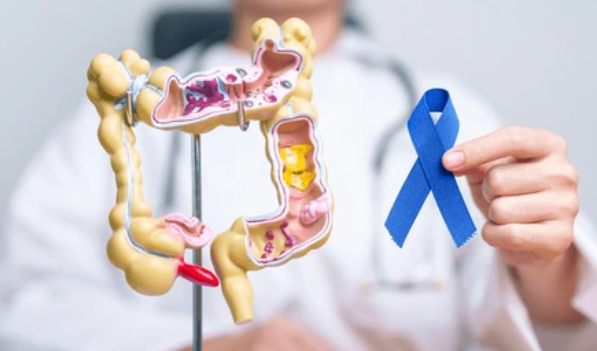
Yes, rectal cancer can be curable, especially when diagnosed in its early stages. The chances of cure depend on the stage of cancer, tumor size, lymph node involvement, and overall patient health. With advancements in surgery, chemotherapy, radiation therapy, and robotic techniques, survival rates have improved significantly.
According to Dr Sandeep Nayak, a seasoned Surgical Oncologist,
“Early detection and a personalized treatment plan are key factors that determine successful outcomes in rectal cancer patients.”
What Are the Key Factors That Determine the Curability of Rectal Cancer?
Several medical and patient-related factors influence whether rectal cancer can be successfully cured. Understanding these factors helps guide treatment decisions and improve long-term outcomes.
- Early Detection: Regular screening (such as colonoscopies) helps detect and remove polyps before they become cancerous or allows treatment at early, highly curable stages.
- Treatment Approach: Rectal cancer treatment often follows a “multimodal” strategy, combining chemotherapy and radiation before surgery to shrink the tumor, followed by precise surgical removal.
- Surgery: The primary goal is complete surgical removal of the tumor. Modern techniques often preserve the anal canal, helping many patients avoid a permanent colostomy.
- Advanced Cancer: Even if the cancer has spread (metastatic), it is not always incurable. Targeted therapy, immunotherapy, and advanced surgical methods can control or sometimes eliminate the disease.
- “Watch and Wait” Strategy: In selected cases where chemotherapy and radiation cause the tumor to completely disappear, surgery may be avoided, and the patient is closely monitored instead.
To understand early symptoms in detail, read our guide on First Signs of rectal cancer and when to seek medical attention.
What Treatments Help Make Rectal Cancer Curable?
The main goal of treatment is complete tumor removal and prevention
of recurrence. Treatment options include:
- Surgery: Removal of the tumor and affected lymph nodes.
- Radiation Therapy: Often given before surgery to shrink the tumor.
- Chemotherapy: Helps destroy remaining cancer cells and reduce recurrence risk.
- Robotic Cancer Surgery: Offers precision, reduced complications, and faster recovery in selected cases.
To learn more about advanced treatment options and expert care, explore our rectal cancer treatment services.
When Should You Consult Dr Sandeep Nayak for Rectal Cancer?
You should consult Dr Sandeep Nayak, oncologist in Bangalore, if you experience persistent symptoms such as rectal bleeding, changes in bowel habits, unexplained weight loss, abdominal discomfort, or ongoing fatigue. Early evaluation is crucial, as rectal cancer is highly curable when detected in its initial stages.
It is also important to seek expert consultation if a colonoscopy, biopsy, or imaging test shows abnormal findings. Patients who have been diagnosed with rectal cancer, advised surgery or chemotherapy, or are seeking a second opinion for advanced or recurrent disease should consult Dr Sandeep Nayak for comprehensive staging, personalized treatment planning, and access to advanced surgical techniques.
Frequently Asked Questions
Is rectal cancer 100% curable?
It can be highly curable in early stages, but outcomes depend on stage and timely treatment.
What is the survival rate of rectal cancer?
Early-stage rectal cancer has survival rates above 90%, while advanced stages vary depending on spread.
Can rectal cancer come back after treatment?
Yes, recurrence is possible, which is why regular follow-up is essential.
Is surgery always required for rectal cancer?
Most cases require surgery, often combined with chemotherapy and radiation.
Reference links:
https://my.clevelandclinic.org/health/diseases/17179-liver-disease
https://britishlivertrust.org.uk/information-and-support/liver-health-2/symptoms-of-liver-disease/
Disclaimer: The information shared in this content is for educational purposes and not for promotional use.
