
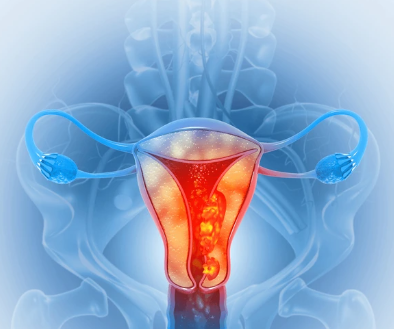
Yes, uterine cancer is highly curable when detected early, with Stage 1 survival rates exceeding 90 percent in most clinical studies. It is the most common gynaecological cancer in developed countries and increasingly prevalent in India. Early diagnosis, accurate staging, and timely uterine cancer treatment by an experienced specialist are the three most critical factors determining long-term cure rates.
According to Dr. Sandeep Nayak, surgical oncologist in Bangalore,
“Uterine cancer detected at Stage 1 is one of the most treatable cancers we encounter, with excellent long-term outcomes when treated surgically with precision.”
Why Is Uterine Cancer Highly Curable When Detected Early?
Early-stage uterine cancer responds exceptionally well to available cancer treatment options compared to advanced disease.
- High Early-Stage Survival: Stage 1 uterine cancer has a 5-year survival rate exceeding 90%, making it one of the most curable gynaecological cancers when caught early.
- Surgical Curability: Complete surgical removal of the uterus through minimally invasive hysterectomy eliminates the cancer entirely in the majority of early-stage patients.
- Hormone Sensitivity: Most uterine cancers are hormone-sensitive endometrial tumours that respond predictably to hormonal therapy when surgery alone is insufficient.
- Clear Warning Signs: Abnormal uterine bleeding, the most common early symptom, prompts timely investigation and leads to diagnosis at a curable stage in most patients.
Minimally invasive approaches such as laparoscopic cancer surgery enhance surgical precision, reduce recovery time, and improve overall treatment outcomes.
What Are the Key Differences Between Early and Advanced Uterine Cancer Treatment?
Understanding how stage affects treatment options helps patients seek uterine cancer treatment at the right time.
- Surgical Eligibility: Early-stage uterine cancer qualifies for minimally invasive robotic hysterectomy, while advanced cases require complex surgery combined with radiation and chemotherapy.
- Treatment Intensity: Stage 1 and Stage 2 uterine cancer treatment involves hysterectomy with or without radiation, while Stage 3 and Stage 4 require aggressive multi-modal therapy protocols.
- Recurrence Risk: Early-stage uterine cancer has a recurrence rate below 15%, while advanced-stage disease carries significantly higher recurrence risk requiring long-term monitoring.
- Quality of Life: Early-stage minimally invasive treatment preserves overall health and recovery speed far more effectively than advanced-stage open surgical and radiation protocols.
Dr. Sandeep Nayak evaluates each uterine cancer patient through MRI, biopsy, and PET-CT staging to determine the most appropriate and personalized uterine cancer treatment plan based on tumour grade, stage, and hormone receptor status.
Why Choose Dr. Sandeep Nayak for Uterine Cancer Treatment ?
You should consider Dr. Sandeep Nayak, for uterine cancer treatment due to his expertise in comprehensive cancer care, advanced surgical techniques, and personalized treatment planning. Early and accurate staging plays a crucial role in improving survival outcomes in uterine (endometrial) cancer.
Dr. Sandeep Nayak offers evidence-based management that may include minimally invasive or robotic surgery, chemotherapy, radiation therapy, and targeted treatment depending on the stage and risk factors. Patients diagnosed with early-stage uterine cancer, high-risk histology, recurrent disease, or those seeking a second opinion can benefit from his multidisciplinary and precision-based approach to care.
Frequently Asked Questions
Can uterine cancer be cured without removing the uterus?
In very early low-grade cases, hormonal therapy may be considered but surgical removal remains the most effective and definitive curative treatment option.
What are the earliest warning signs of uterine cancer?
Abnormal vaginal bleeding especially after menopause, pelvic pain, and unusual discharge are the most common early warning signs requiring immediate medical evaluation.
How is uterine cancer diagnosed accurately?
Uterine cancer is diagnosed through endometrial biopsy, transvaginal ultrasound, MRI, and PET-CT scan to confirm tumour grade, size, and stage.
Can uterine cancer return after successful treatment?
Yes, recurrence is possible which is why regular follow-up pelvic examinations and imaging scans are essential after completing uterine cancer treatment.
Reference links:
- American Cancer Society – Endometrial (Uterine) Cancer Survival Rates
https://www.cancer.org/cancer/types/endometrial-cancer/detection-diagnosis-staging/survival-rates.html - National Cancer Institute – Endometrial Cancer Treatment
https://www.cancer.gov/types/uterine/patient/endometrial-treatment-pdq
Disclaimer: The information shared in this content is for educational purposes and not for promotional use.
