
Breast cancer is one of the most commonly diagnosed cancers among women worldwide. Advances in screening and treatment have significantly improved outcomes, allowing many patients to recover successfully after surgery. However, procedures such as mastectomy may change the appearance of the breast, making reconstruction an important part of the healing journey for many women. One widely used option is the LD flap for breast reconstruction, a technique that uses tissue from the back to recreate the breast shape.
Dr. Sandeep Nayak, a globally recognized surgical oncologist in India, states, “Breast reconstruction is not only about restoring appearance but also about helping patients regain confidence and emotional well-being after breast cancer treatment.” He further notes that LD flap surgery is a reliable reconstruction method, particularly for patients who may not be suitable for other reconstruction techniques.
With extensive expertise in breast cancer treatment and reconstruction techniques, Dr. Nayak has performed numerous procedures, including LD flap for breast reconstruction at MACS Clinic in Bangalore. His patient-focused approach ensures that individuals receive comprehensive care, combining effective cancer treatment with advanced reconstructive solutions to support long-term recovery and quality of life.
What Is Latissimus Dorsi Flap Breast Reconstruction?
Latissimus Dorsi (LD) flap breast reconstruction is a surgical procedure that uses muscle, fat, and skin from the upper back to rebuild the breast after mastectomy. The tissue is rotated from the back to the chest while maintaining its original blood supply. Often, the transferred tissue may be combined with a breast implant to achieve the desired breast size and shape.
When Do Doctors Recommend the Latissimus Dorsi Flap?
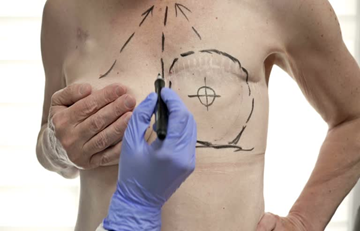
Doctors may recommend an LD flap for breast reconstruction in several situations:
- Patients who have undergone radiation therapy, which may affect skin quality
- Individuals with insufficient chest tissue for implant-only reconstruction
- Patients requiring revision reconstruction after a previous surgery
- Those who prefer a natural tissue-based reconstruction option
“The LD flap technique is known for its reliability because the transferred tissue maintains its original blood supply, reducing the risk of complications,” explains Dr. Sandeep Nayak, a noted oncologist in India based in Bangalore.
Benefits of LD Flap Breast Reconstruction
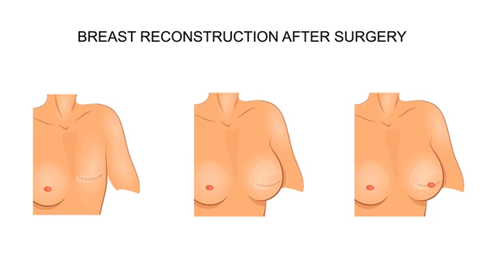
The LD flap surgery technique offers several benefits:
- Reliable blood supply: The transferred tissue remains connected to its original blood vessels.
- Improved breast shape: The flap provides natural contour and coverage.
- Suitable after radiation therapy: It works well for patients with radiation-damaged tissue.
- Versatility: Can be combined with implants for better results.
- Long-term durability: Tissue-based reconstruction often ages naturally with the body.
These advantages make LD flap reconstruction a widely used technique in breast reconstruction surgery.
How the LD Flap Procedure Is Performed
The LD flap surgery typically entails the following steps:
- Anesthesia:
The procedure begins with general anesthesia to ensure the patient remains comfortable throughout the surgery.
- Tissue Preparation:
A section of skin, fat, and the latissimus dorsi muscle from the upper back is carefully prepared while preserving its blood supply.
- Tissue Transfer:
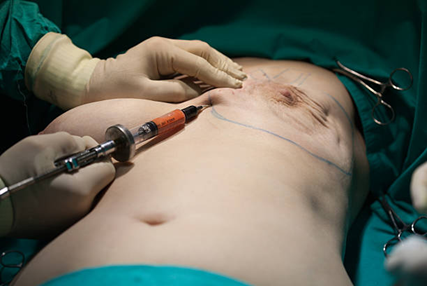
The prepared tissue is tunneled under the skin from the back to the chest area.
- Breast Reconstruction:
The transferred tissue is shaped to form the new breast. In some cases, an implant may be added to achieve the desired size and contour.
- Closing the Incisions:
After forming the shape of the breast, the cuts on the back and chest are carefully closed with the help of sutures.
- Monitoring After Surgery:
In the recovery unit, the patient is regularly monitored to ensure adequate blood flow to the transferred tissue and proper healing.
Limitations and Possible Risks of the LD Flap Procedure
While the LD flap for breast reconstruction is generally safe, like any surgery, it carries certain risks:
- Infection or bleeding
- Scarring on the back and chest
- Temporary weakness in the back muscle
- Fluid accumulation (seroma) near the surgical site
- Changes in shoulder movement in rare cases
However, most patients recover well, especially when the surgery is performed by an experienced professional specializing in reconstructive techniques.
Recovery Timeline After Latissimus Dorsi Flap Surgery
Recovery after LD Flap Surgery varies for each patient, but generally follows this pattern:
First Week
- Hospital stay of 3–5 days
- Pain and swelling are managed with medication
- Limited arm movement
Weeks 2–4
- Gradual return to daily activities
- Stitches or drains may be removed
- Light walking encouraged
Weeks 4–6
- Improved mobility and reduced discomfort
- Return to light work activities
After 2–3 Months
- Most patients resume normal routines
- The final breast shape becomes more noticeable
Regular follow-up visits help monitor healing and ensure optimal recovery.
Conclusion
LD flap for breast reconstruction is a reliable and widely used technique that helps restore breast shape after mastectomy. By using the patient’s own tissue, this procedure offers natural results and works well even for patients who have undergone radiation therapy. While the decision for breast reconstruction is highly personal, understanding the benefits, risks, and recovery process can help patients make informed choices.
With guidance from a seasoned specialist like Dr. Sandeep Nayak, patients can explore reconstruction options that align with their medical needs and personal preferences. Advanced procedures like LD flap surgery continue to play a significant role in helping individuals regain confidence and quality of life after breast cancer treatment.
Frequently Asked Questions
1. Who is a good candidate for LD flap breast reconstruction?
2. Is LD flap reconstruction permanent?
3. Will I need an implant with LD flap surgery?
4. Will there be scars after LD flap surgery?
5. Can I move my arm normally after surgery?
Reference links:
https://emedicine.medscape.com/article/1274087-treatment
https://pmc.ncbi.nlm.nih.gov/articles/PMC5933575/
Disclaimer: The information shared in this content is for educational purposes and not for promotional use.
