
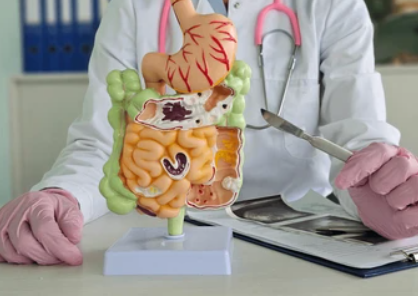
Colon resection saves lives. That needs saying first. Before anything else. But saving your life and giving you back exactly the life you had before surgery are two different things. And the gap between them deserves an honest conversation before you go into the operating room. Not after. Because the patients who know what’s coming handle the recovery completely differently from the ones who find out by living through it unexpectedly.
According to Dr. Sandeep Nayak, surgical oncologist in India, “The patients who struggle most after colon resection aren’t the ones whose recovery is hardest. They’re the ones nobody prepared properly for what normal recovery actually looks like.”
What Long-Term Changes Should You Actually Expect After Colon Resection?
These aren’t rare complications. They’re not worst case scenarios. They’re the reality of having a section of your colon removed and your body adjusting to a new normal that’s genuinely different from the old one.
- Your Bowel Habits Will Change and Finding the New Normal Takes Months Not Weeks: The remaining colon adapts gradually after resection and the frequency, urgency and consistency of bowel movements shifts in ways that improve slowly over six to twelve months but rarely return completely to exactly what they were before.
- Adhesions Can Form Between Abdominal Structures and Cause Problems Years Later: Scar tissue forming after any abdominal surgery creates fibrous bands between bowel loops and surrounding organs that can produce intermittent cramping, bloating and in more serious cases partial obstruction that needs medical management well after the surgical site has healed completely.
- The Fatigue That Follows This Surgery Runs Deeper and Longer Than Most People Anticipate: This isn’t tiredness from a difficult operation. It’s a systemic response to major abdominal surgery that settles into your bones for months and that most patients are genuinely shocked by because the briefing they received before surgery didn’t adequately capture what it actually feels like to live through it.
- Nutritional Deficiencies Develop Gradually and Quietly If Nobody Is Actively Watching for Them: Depending on where in the colon the resection happened vitamin B12, iron and fat soluble vitamins can become progressively depleted over months and years in ways that only show up in blood tests that many patients stop doing once the immediate post-operative period ends.
Long-term outcomes after bowel surgery depend heavily on tumour location, extent of resection, and whether additional treatment such as chemotherapy is required. For a structured overview of operative approaches and postoperative considerations, refer to Colon Cancer Treatment, where surgical management is explained in clinical detail.
What Are the Side Effects Nobody Talks About Enough Before Colon Resection?
Because the bowel changes get mentioned. Briefly. Usually in a leaflet. These ones often don’t get mentioned at all. And discovering them after the fact is where a lot of unnecessary fear and confusion comes from.
- Sexual Function Can Be Affected Particularly After Lower Colon and Pelvic Resections: Autonomic nerves controlling sexual function in both men and women run close to the surgical field in lower colon surgery and the possibility of temporary or permanent changes deserves a real conversation before the operation not a footnote in the consent form.
- Hernias Can Develop at the Incision Site or at a Former Stoma Site Months or Years Later: Incisional hernias and stoma site hernias after reversal are common enough after colon surgery that patients should know what to look for and understand that a new bulge at the surgical site is something to show a specialist rather than ignore.
- Phantom Sensations After Lower Colon or Rectal Resection Can Feel Alarming and Completely Unexplained: The neurological experience of urgency or discomfort in tissue that has been removed is real and documented and happens to a meaningful percentage of patients who have absolutely no idea what’s happening to them when it starts because nobody told them it was possible.
- The Psychological Weight of Having Had Cancer Surgery Doesn’t Disappear When the Wound Heals: Health anxiety, scan anxiety, a heightened awareness of every new symptom and a persistent background fear of recurrence are experiences shared by the majority of colon cancer surgery patients and they deserve proper acknowledgement and proper support alongside the physical recovery plan.
The extent of these effects often depends on how low in the pelvis the surgery was performed and how much nerve preservation was possible during tumour removal. For a clinical overview of operative techniques and functional considerations, refer to Rectal/Colorectal Cancer Treatment, where surgical planning and long-term outcomes are discussed in detail.
Why Choose Dr. Sandeep Nayak for Cancer Treatment in India?
Dr. Sandeep Nayak has spent more than 24 years performing colon and rectal resections using robotic and laparoscopic techniques that reduce adhesion formation, protect pelvic nerve function and minimise the surgical trauma that drives so many of the long term effects patients experience after open surgery. As one of India’s most experienced surgical oncologists he prepares every patient for the full recovery journey before the operation begins. Not just the surgery. The bowel adaptation. The fatigue curve. The nutritional monitoring. The psychological adjustment that comes with having had cancer removed from your body. Because in his experience the patients who do best after colon resection aren’t always the ones whose surgery was easiest. They’re the ones who walked into it knowing exactly what they were going to face on the other side.
Frequently Asked Questions
How long does it realistically take for bowel habits to stabilise after colon resection?
Most patients see meaningful improvement within six to twelve months but complete stabilisation of bowel function can genuinely take up to two years depending on resection extent.
Can adhesions from colon surgery cause serious complications many years after the operation?
Yes, adhesion related bowel obstruction can occur years after surgery which is why any new abdominal pain after colon resection always needs specialist evaluation rather than home management.
Is ongoing health anxiety after colon cancer surgery considered a normal part of recovery?
Yes, fear of recurrence and health anxiety are extremely common and patients experiencing significant psychological distress benefit enormously from proper support alongside their physical follow up care.
Which nutritional deficiencies need monitoring most closely after colon resection long term?
Vitamin B12, iron, vitamin D and folate are most commonly depleted after colon resection and require regular blood monitoring and supplementation based on which bowel section was removed.
Reference links:
-
National Health Service (NHS)
Bowel Cancer – Recovery and Long-Term Effects After Surgery
https://www.nhs.uk/conditions/bowel-cancer/treatment/American Cancer Society
Colon Cancer Surgery – What to Expect & Possible Side Effects
https://www.cancer.org/cancer/types/colon-rectal-cancer/treating/colon-surgery.html - Disclaimer: The information shared in this content is for educational purposes and not for promotional use.
