

Thyroid cancer has been steadily rising across the world, with global estimates crossing 586,000 new cases annually. In India alone, thyroid cancer accounts for nearly 3–4% of all cancers, affecting people across different age groups. With improved diagnosis and treatment options, many patients recover well and lead fulfilling lives.
Dr. Sandeep Nayak, a distinguished thyroid cancer expert in Bangalore, India, says,
“RAI therapy has transformed thyroid cancer care. It allows us to target remaining thyroid tissue with precision, improving long-term outcomes. Over the years, I’ve seen patients regain confidence because this therapy helps prevent recurrence and supports safer recovery. It’s one of the strongest tools we rely on in thyroid cancer management.”
A Glimpse at the History of Radiotherapy
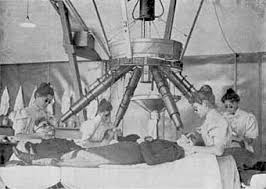
Radiation damages the DNA of cancer cells, ultimately stopping them from multiplying. Early in the 1900s, researchers found that cancer cells responded strongly to certain forms. By mid-century, doctors discovered that radioactive iodine could selectively destroy thyroid cells, an exciting moment that reshaped thyroid cancer treatment worldwide.
Dr. Abhilasha Sadhoo, a prominenthead and neck surgeon in Bangalore, shares, “The history of radiotherapy reminds us how innovation shaped modern cancer care. Each discovery opened the door to more precise treatments. In thyroid cancer, RAI stands out because it works with the body’s chemistry rather than against it. Many patients feel empowered knowing that progress in science directly supports their healing journey.”
Understanding the Basics of RAI Therapy
Radioactive Iodine (RAI) Therapy is a targeted treatment commonly used for certain types of thyroid cancer, mainlypapillary and follicular cancers.
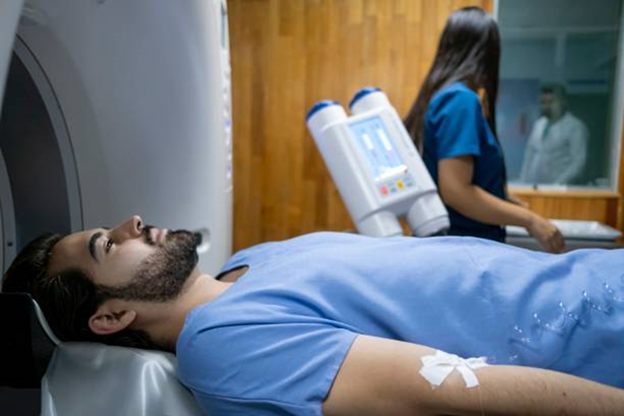
Dr. Nayak, a prominent surgical oncologist in Bangalore, shares,
“Radioactive Iodine (RAI) Therapy helps destroy leftover thyroid tissue or microscopic cancer cells that can’t be removed surgically. What makes this treatment unique is that thyroid cells naturally absorb iodine, allowing RAI to work only where it’s needed.”
Here’s how it works:
- Your thyroid cells naturally absorb iodine from your bloodstream.
- When you take RAI (usually as a capsule or liquid), the remaining thyroid cells, including any leftover cancer cells, absorb the radioactive iodine.
Once inside these cells, the radiation slowly destroys them from within, while the rest of your body stays largely unaffected because other tissues don’t take up iodine the same way.
Dr. Athira Ramakrishnan, an accomplished endoscopic skull base surgeon in Bangalore, explains, “RAI works because thyroid cells behave differently from other cells in the body. Their natural iodine uptake provides a safe pathway for delivering treatment. I’ve seen how effective RAI can be, especially when the dosage is tailored thoughtfully. Patients often feel reassured knowing the therapy works quietly inside the body without drastic discomfort.”
Candidates for RAI Therapy
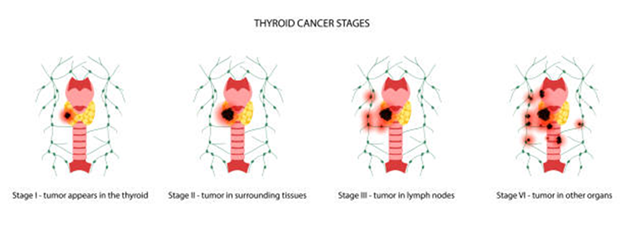
Type of Thyroid Cancer:
Tumour Size and Spread:
Post-surgery Thyroid Levels:
Risk Category:
The Procedure: What to Expect
Before Treatment
Doctors may advise:
- A low-iodine diet for 1–2 weeks
- Temporary changes in thyroid medication
- Avoiding iodine-rich foods like seafood, egg yolk, and iodized salt
- These steps help the body absorb RAI more efficiently.
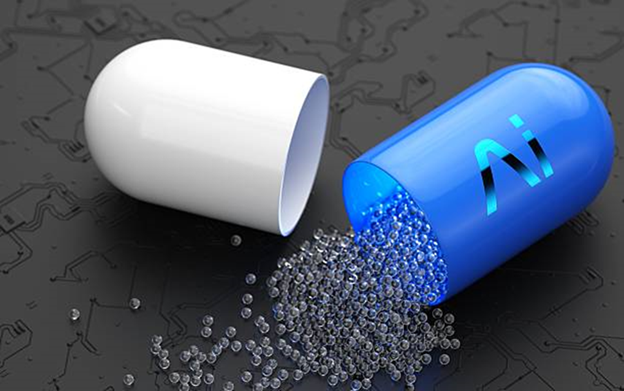
Receiving RAI Therapy
The treatment itself is relatively simple:
- You swallow a capsule or drink a liquid containing radioactive iodine.
- There is no pain, no complex machinery, and no lengthy procedure.
- You may stay in a radiation-safe room for a short period depending on the dose.
Post-Treatment Care
After treatment, you may need to follow certain precautions for a few days:
- Maintain distance from children and pregnant individuals
- Use separate utensils
- Follow hygiene instructions carefully
- Most patients resume normal activities gradually.
Side Effects of Radioactive Iodine Therapy
Here are common side effects explained clearly:
- Dry mouth or taste changes: Temporary and manageable with hydration
- Neck discomfort: Usually mild
- Fatigue: Improves in a few days
- Nausea: Occurs occasionally, especially within the first 24 hours
Conclusion
RAI therapy is a very targeted and efficient treatment option, especially after thyroid surgery, to clean up any remaining thyroid tissue. Its ability to target and safely destroy thyroid cells reduces the risk of recurrence and gives patients a strong chance of long-term recovery.
Dr. Sandeep Nayak concludes, “With growing awareness, improved technology, and supportive care, more patients experience smooth treatment journeys and better lives after radioactive iodine treatment.”
Dr. Sandeep Nayak and his team continue to guide patients with care and clarity through every stage of treatment atMACS Clinic, a dedicated facility for advanced Cancer Treatment in Bangalore. Their commitment to helping individuals navigate cancer has made a meaningful difference in how patients understand and approach their recovery.
Frequently Asked Questions
1. How long does it take for RAI therapy to work?
2. Is RAI therapy safe for all thyroid cancer patients?
3. Is radioactive iodine therapy dangerous?
4. Can I resume normal activities after RAI therapy?
5. Are there any foods to avoid after radioactive iodine treatment?
Your doctor may suggest avoiding some foods that interfere with iodine absorption:
- Iodized salt and processed snacks containing iodized salt
- Seafood and seaweed products, as they are naturally rich in iodine
- Dairy products, which often contain added iodine
- Egg yolks, because they contain small amounts of iodine
- Soy products, which may interfere with iodine processing
A low-iodine diet isn’t forever, just a temporary step to support your recovery.
References;
https://my.clevelandclinic.org/health/procedures/radioactive-iodine-therapy
https://www.radiologyinfo.org/en/info/radioiodine
Disclaimer: The information shared in this content is for educational purposes only and not for promotional use.
