
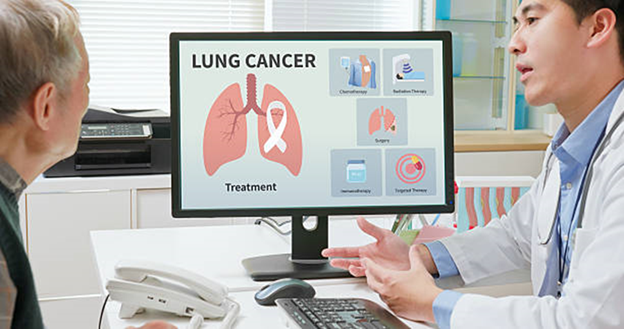
Lung cancer remains one of the most widespread cancers worldwide, with close to 2.2 million new cases every year. In India alone, it ranks among the leading causes of cancer-related deaths, especially among men. The need for accurate treatment information is higher than ever.
Dr. Sandeep Nayak, a respected surgical oncologist in India, frequently emphasizes how radiotherapy has transformed lung cancer care: “Patients often underestimate how precise modern radiotherapy has become. The ability to target tumours without heavily affecting surrounding lung tissue has changed survival outcomes. Many people live longer and better because of timely radiation treatment.”
This page outlines techniques, benefits, risks, timelines, and when radiotherapy is typically recommended.
Types of Radiotherapy for Lung Cancer
Doctors select the technique based on the tumour’s size, location, and the health of the surrounding lung tissue.
Here’s how the main types work:
External Beam Radiotherapy (EBRT)
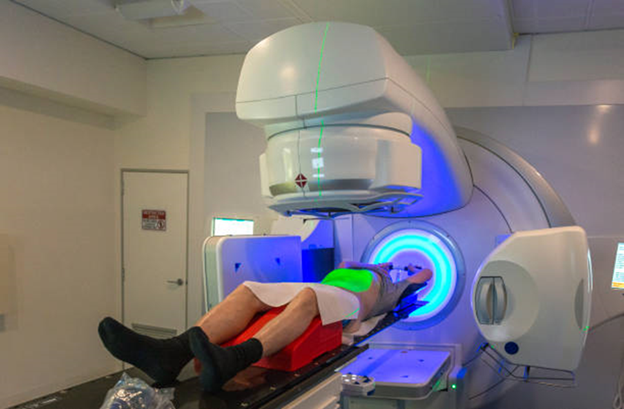
This is the most common technique. An external device sends targeted beams to the tumour. It’s painless, noninvasive, and often used across different stages of lung cancer. EBRT has improved significantly over the years, thanks to imaging-guided tools that help doctors avoid healthy organs.
Brachytherapy
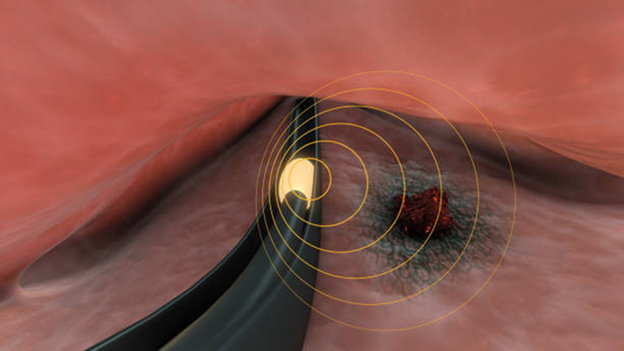
This involves placing a tiny radioactive source inside or very close to the tumour. It’s usually used when a tumour blocks the airway or causes bleeding. Because the radiation stays highly focused, brachytherapy may help relieve symptoms quickly.
Stereotactic Body Radiotherapy (SBRT)
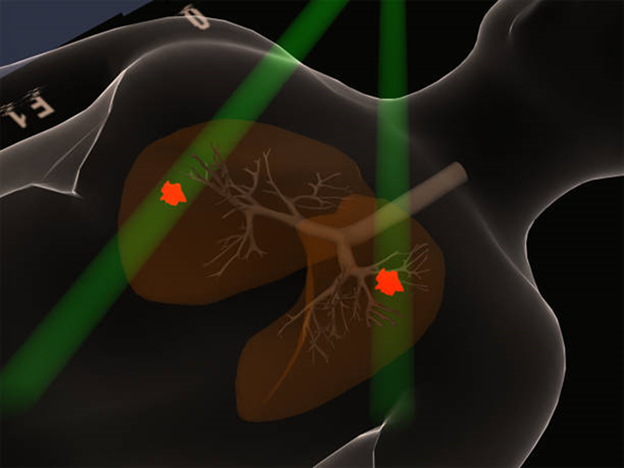
How Radiotherapy Works in Lung Cancer Treatment
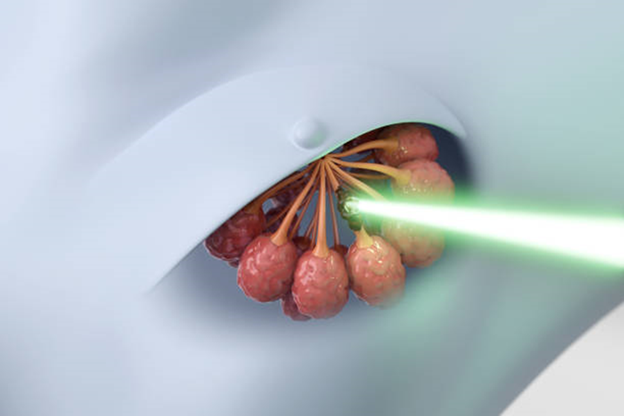
Historically, radiotherapy was discovered more than a century ago when researchers observed that X-rays could shrink tumours. Over time, safer machines, imaging support, and advanced planning tools made it one of the most reliable treatments for lung cancer.
Dr. Sandeep Nayak, an acclaimed surgical oncologist based in Bangalore, explains, “Radiotherapy has shifted from broad, generalized beams to sharply defined radiation sculpting. Patients today receive far safer and more effective treatments. This shift has contributed significantly to better lung cancer radiotherapy success rates.”
Procedure of Radiotherapy for Lung Cancer
Consultation and Planning
You’ll first meet the oncology team. Scans such as CT or PET help map the tumour. A personalized plan is created to ensure that radiation is delivered only to the required area.
Treatment Sessions
Sessions are usually short, lasting just a few minutes. You lie on a table while the machine moves around you. It doesn’t touch your body, and many patients say it feels like getting an X-ray.
Radiation Delivery
The machine delivers beams from different angles. You won’t feel the radiation, but you may hear soft buzzing sounds. Depending on the plan, treatment may continue for several days or weeks.
Dr. Nisha Vishnu, a seasoned Radiation Oncologist in Bangalore, adds, “People often worry about the experience, but modern radiotherapy is surprisingly smooth. Most patients tolerate it very well. The focus today is on comfort, speed, and accuracy, which helps reduce overall stress.”
Benefits of Radiotherapy for Lung Cancer
Tumour control:
It helps shrink or destroy cancer cells, improving breathing and reducing symptoms like coughing or chest pain.
Non-invasive:
There’s no surgery involved, making it suitable for patients who cannot undergo an operation.
Precision:
Techniques such as SBRT help treat small tumours with remarkable accuracy.
Combination potential:
It is effective when used alongside surgery or chemotherapy to improve outcomes.
Potential Side Effects of Radiotherapy for Lung Cancer
Common side effects include:
Fatigue:
Many patients feel tired during or after treatment.
Skin irritation:
The treated area may feel warm or sensitive.
Cough or mild breathing difficulty:
Radiation can temporarily inflame lung tissue.
Changes in swallowing or appetite: Especially if the radiation area is close to the food pipe.
Some older adults often ask how radiotherapy might affect them differently.
“What about radiation treatment for lung cancer? Are there elderly side effects?”
In many cases, the side effects remain manageable, but doctors prefer to monitor more closely to ensure breathing, energy levels, and appetite remain stable throughout the treatment period. With regular monitoring, most concerns can be addressed early and effectively.
When is Radiotherapy Used in Lung Cancer Treatment?
Early-stage lung cancer:
Especially when surgery isn’t an option—SBRT is commonly used.
Locally advanced cancer:
It may be combined with chemotherapy to improve survival.
Palliative care:
Helps relieve pain, bleeding, or breathing problems.
Post-surgery:
Sometimes used to ensure no cancer cells remain.
Dr. Sandeep Nayak, an insightful surgical oncologist in Bangalore, says, “Choosing radiotherapy depends on tumour behaviour, overall health, and treatment goals. Some patients need tumour control, while others need symptom relief. Tailoring the plan to the individual always produces better outcomes.”
Conclusion
Frequently Asked Questions
Is radiotherapy effective for all stages of lung cancer?
How long does a typical radiotherapy session last?
What can I expect during a radiotherapy session for lung cancer?
Are there any long-term side effects of radiotherapy for lung cancer?
Can radiotherapy be combined with chemotherapy or surgery?
References;
https://my.clevelandclinic.org/health/treatments/22298-stereotactic-body-radiation-therapy-sbrt
Disclaimer: The information shared in this content is for educational purposes only and not for promotional use.
