

Prostate cancer is one of the most common cancers affecting men worldwide. In India, prostate cancer is becoming an increasingly significant health concern, with rising incidence rates in recent years. In India, it has become increasingly prevalent, making it a key area of focus in men’s health. Such cancers take time to develop and thus, in early stages like stage 1 prostate cancer, they can be cured successfully.
Dr. Sandeep Nayak, a renowned oncologist in Bangalore, India, says: “Stage 1 prostate cancer can be detected in its early stages and is localized within the prostate. As a result, it is quite curable with many treatment options available. If planned properly, the prognosis is excellent.”
MACS Clinic, headed by Dr. Sandeep Nayak, is now offering individualized treatment programs for men diagnosed with prostate cancer, primarily concentrating on early detection and effective treatment strategies. Backed by Dr. Nayak’s expertise in cancer care, patients with prostate cancer at stage 1 can be treated effectively through proper management.
What exactly is stage 1 prostate cancer, and how is it different from other stages? Let’s dive into the specifics.
Understanding Stage 1 Prostate Cancer
Stage 1 prostate cancer belongs to the initial stages of the cancer. In this stage, the cancer has remained within the prostate organ, with the cancer being small, featuring a small area of the prostate, not causing any signs or symptoms, and generally being detected through a variety of tests, such as a blood test called a PSA test or a DRE, or Digital Rectal Exam. This stage is considered localized as the cancer has not spread into other areas of the body.
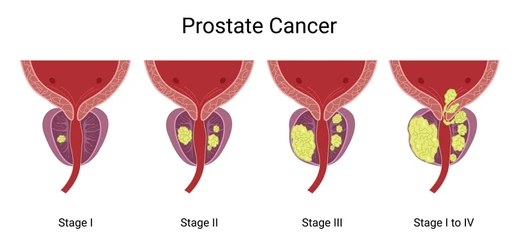
At this stage, the cancerous cells tend to grow slowly. These cells may not cause significant harm if closely monitored. It is therefore vital to obtain an early diagnosis to achieve a positive response. There are highly effective treatments available when prostate cancer is at stage 1.
Risk Factors for Stage 1 Prostate Cancer
- Age: The risk of prostate cancer increases with age, especially after 50.
- Family History: A family history of prostate cancer, particularly in first-degree relatives, increases the risk.
- Race: African-American men are at a higher risk of developing prostate cancer compared to men of other racial backgrounds.
- Genetic Factors: Inherited gene mutations, such as BRCA1 and BRCA2, can increase the likelihood of prostate cancer.
- Diet and Lifestyle: Diets high in red meat and dairy, as well as obesity, can increase prostate cancer risk.
- Hormonal Factors: High levels of testosterone may fuel the growth of prostate cancer cells.
Understanding these risk factors can help men take preventive measures and engage in early screening to detect prostate cancer at stage 1.
Get in touch with an expert to evaluate your prostate health.
Treatment Options for Stage 1 Prostate Cancer
- Active Surveillance
For many men with stage 1 prostate cancer, immediate treatment may not be necessary. Active surveillance involves monitoring the cancer through regular PSA tests, digital rectal exams (DRE), and biopsies. Treatment is only initiated if there are signs that the cancer is growing or changing.
- Radical Prostatectomy (Surgery)
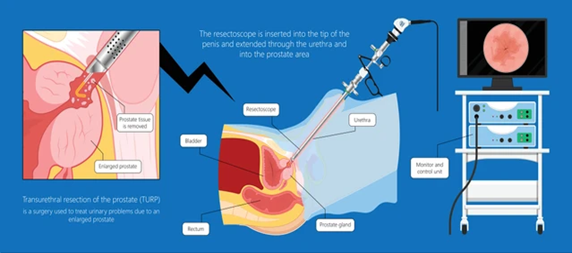
There are instances where the removal of the entire prostate is advised for a stage 1 cancer sufferer, especially if the person is fit. This is undertaken through a radical prostatectomy, where the entire prostate is removed.
- Radiation Therapy
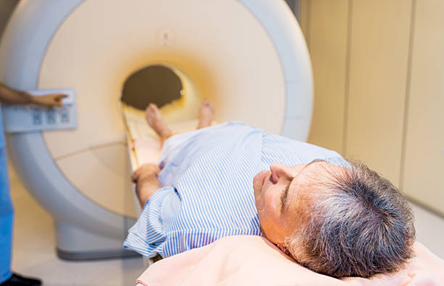
Radiation therapy using external beams or brachytherapy (internal radiation therapy) can destroy prostate cancer cells. This is highly effective for treating cancers confined to the local area and can often serve as an alternative to surgery.
- Cryotherapy
This cancer treatment involves freezing cancer cells to destroy them. This procedure may be recommended for men who are poor candidates for either surgery or radiation therapy or would like to bypass either of those options.
- Hormone Therapy
Hormonal treatment is not usually needed for stage 1 prostate cancer, but may be used in some cases to lower the level of testosterone, which fuels the growth of cancerous cells of the prostate.
Each treatment is selected based on the cancer’s size and location, health status, and individual preferences. The healthcare professional will determine the best treatment option.
Key Considerations in Treatment Choice
- Age and Health:
Younger, healthier patients may be more likely to undergo surgery or radiation therapy, while older patients may opt for active surveillance.
- Cancer Characteristics:
The tumor’s size, grade, and location can influence the treatment approach.
- Side Effects:
Each treatment has potential side effects, and patients should discuss these with their doctor to make an informed decision.
- Patient Preferences:
The patient’s preferences, lifestyle, and willingness to accept the risks associated with specific treatments should also be considered.
Personalized care is essential to ensuring the best treatment outcome for stage 1 prostate cancer, and a doctor will work closely with the patient to choose the most appropriate option.
Prostate Cancer Stage 1 Survival Rate

The survival rate for stage 1 prostate cancer is extremely high. When detected early, the 5-year survival rate for stage 1 prostate cancer is nearly 100%. As the cancer is confined to the prostate and often slow-growing, early intervention through active surveillance or treatment leads to excellent outcomes.
With the right treatment, men diagnosed with stage 1 prostate cancer can expect to live many years without the cancer spreading or causing significant harm.
Stage 1 Prostate Cancer Prognosis
In stage 1 prostate cancer, the outlook is excellent. In fact, it is much more favorable if detected early. Since it is slow-growing and localized, most men can resume normal activities after proper management. In fact, the likelihood of its recurrence is low.
Most men diagnosed at this stage can expect to live for many years without further complications. However, regular monitoring through PSA tests and medical check-ups is essential to ensure continued health.
Conclusion: Taking Control of Your Health
Stage 1 prostate cancer is highly treatable with excellent outcomes when diagnosed early. The key to success lies in early detection, effective treatment options, and ongoing monitoring. Whether you choose active surveillance or opt for surgery or radiation, the prognosis for stage 1 prostate cancer is generally very favorable. By taking control of your health and working with a specialist like Dr. Sandeep Nayak, you can ensure the best possible outcome.
Frequently Asked Questions
Is stage 1 prostate cancer curable?
What are the chances of recovery with Stage 1 prostate cancer?
How is Stage 1 prostate cancer diagnosed?
What are the side effects of prostate cancer treatments?
How often should I see my oncologist after treatment?
Reference links:
https://pceiva.org/prostate-cancer/stage-i-prostate-cancer/
Disclaimer: The information shared in this content is for educational purposes and not for promotional use.
