
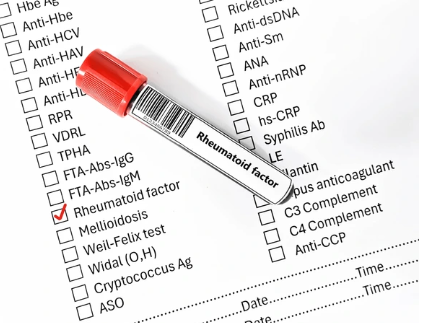
Most people get a high rheumatoid factor result and immediately think arthritis. Fair enough. That’s what it’s mostly associated with. But here’s what your doctor might not have mentioned. A raised RF can sometimes point toward something else entirely. Something that has nothing to do with your joints. And knowing that difference could genuinely matter more than you realise right now.
According to Dr. Sandeep Nayak, cancer specialist in Bangalore, “A high rheumatoid factor without clear arthritis symptoms deserves a proper investigation because occasionally it’s the first clue pointing toward an underlying malignancy.”
Which Cancers Are Actually Linked to High Rheumatoid Factor?
This surprises most people. Because nobody connects a joint inflammation marker to cancer. But the biology behind it makes complete sense once you understand what RF actually is.
- Lymphoma Is the Most Commonly Associated Cancer: Blood cancers like non-Hodgkin lymphoma and other lymphoid malignancies produce abnormal proteins that directly trigger elevated rheumatoid factor in routine blood tests.
- Leukaemia Can Push RF Levels Up Significantly: Certain types of leukaemia cause immune system dysregulation that results in elevated RF as a secondary effect of abnormal white blood cell activity throughout the body.
- Lung Cancer Sometimes Shows Up This Way First: Paraneoplastic syndromes in lung cancer can trigger immune responses that elevate RF even before the tumour itself causes any obvious respiratory symptoms at all.
- Multiple Myeloma Affects Protein Production Dramatically: This bone marrow cancer produces abnormal immunoglobulins that can interfere with RF testing and produce significantly elevated readings in blood work results.
In the case of early diagnosis and localisation of the cancer, the novel laparoscopic surgery methods can promote successful removal of the tumour using smaller incisions and shorter recovery time in the right patients.malignancy in long term follow up studies.
What Should You Actually Do With a High RF Result?
Getting a number on a report is one thing. Knowing what to do with it is something else entirely. And most people get this part completely wrong.
- Don’t Assume It’s Automatically Arthritis Without Proper Workup: RF elevation needs clinical correlation meaning your joints, your symptoms and your full blood picture all need to be looked at together properly.
- Ask for a Full Blood Count Alongside Your RF Test: Abnormalities in white cells, red cells or platelets alongside a high RF can point toward blood cancer and this combination needs specialist eyes on it quickly.
- Request Imaging If Symptoms Don’t Fit a Clear Rheumatology Picture: Unexplained weight loss, night sweats, swollen lymph nodes or fatigue alongside high RF means a CT scan or PET scan should be part of your workup.
- Track Whether the Number Is Rising Over Time: A single elevated RF is one thing but a number that keeps climbing across multiple tests over months is a pattern that needs urgent investigation without any further delay.
In cases of cancers where a high degree of accuracy in tumour removal is demanded in anatomically complex regions, innovative robotic surgery technologies are becoming a popular method of enhancing the accuracy of surgery and recovery in patients.
Why Choose Dr. Sandeep Nayak for Cancer Treatment in Bangalore?
Dr. Sandeep Nayak is the kind of doctor who reads between the lines of your blood results. He’s spent over 24 years treating cancers that don’t always announce themselves in obvious ways. Blood cancers. Lung malignancies. Complex haematological cases where the first clue was something as unexpected as a high rheumatoid factor on a routine panel. As one of the most trusted cancer specialists in Bangalore he brings surgical expertise, molecular profiling capability and a genuine curiosity about what’s actually driving each patient’s symptoms. He doesn’t dismiss unusual findings. He investigates them. Properly. Thoroughly. Without rushing you out the door.
Frequently Asked Questions
Does a high rheumatoid factor always mean you have cancer?
No, most high RF results are linked to autoimmune conditions like rheumatoid arthritis but persistent unexplained elevation always deserves proper specialist investigation.
Which blood cancer most commonly causes elevated rheumatoid factor?
Non-Hodgkin lymphoma is most frequently associated with elevated rheumatoid factor and should be considered when RF rises without a clear autoimmune explanation.
What other tests should you get alongside a high RF result?
A full blood count, LDH level, protein electrophoresis and imaging scans together give the most complete picture of what’s actually driving the elevation.
Can RF levels go back to normal after cancer treatment?
Yes, successful cancer treatment particularly for lymphoma often results in RF levels normalising as abnormal protein production reduces with effective therapy.
Reference links:
-
National Cancer Institute – Paraneoplastic Syndromes
https://www.cancer.gov/publications/dictionaries/cancer-terms/def/paraneoplastic-syndrome -
MedlinePlus – Rheumatoid Factor (RF) Test
https://medlineplus.gov/lab-tests/rheumatoid-factor-rf-test/ -
Disclaimer: The information shared in this content is for educational purposes and not for promotional use.
