
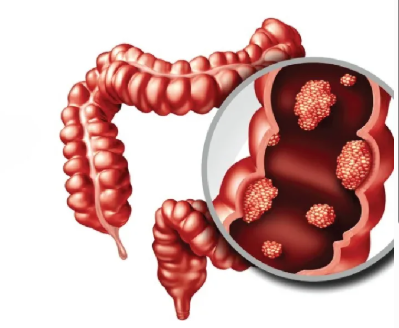
Colon cancer grows in the lining of the large intestine and most of the time it takes years to get there, starting as a small polyp that nobody knew about, sitting quietly while it changes into something that matters, and by the time someone actually goes to a doctor about the symptoms they’ve been noticing and dismissing the question of whether this is going to be a curable situation or a much harder one often comes down to how many months they waited before making that appointment.
According to Prof. Dr. Sandeep Nayak, Surgical Oncologist in India, “Colon cancer treated at the right stage with the right surgery is one of the more curable cancers we see but the window where that’s true doesn’t stay open indefinitely and acting on symptoms early is what makes the difference.”
What Is Colon Cancer and What Causes It?
These key things about colon cancer are worth understanding properly before anything else:
- How it starts: A small polyp growing on the colon wall over years, changing quietly, turning into something dangerous before anyone was looking for it, which is why screening colonoscopy in people over fifty catches cancers that haven’t had the chance to become a serious problem yet.
- Who’s at risk: Over fifty, family history of colon cancer or polyps, inflammatory bowel disease, years of processed meat and red meat heavy diet, obesity, these factors don’t guarantee anything but they’re the background you see repeatedly in patients sitting across the consultation table.
- Symptoms worth acting on: Blood in the stool, bowel habit that’s changed and stayed changed for weeks, weight dropping without trying, abdominal pain that keeps turning up, that persistent feeling of never quite finishing on the toilet, these are things that need investigating not explaining away for another month.
- How it moves: Regional lymph nodes first, then the liver, then the lungs and beyond, and the stage at which colon cancer gets caught is the single factor that shapes everything else about the treatment conversation more than anything that comes after it.
Almost every patient with a late stage colon cancer diagnosis had a period where something felt off and they pushed it aside and almost none of them feel good about that decision looking back. Colon cancer treatment at a specialist surgical oncology centre starts with staging that tells you exactly what you’re working with before a single treatment decision gets made.
How Is Colon Cancer Treated?
These are the main treatment approaches and what actually drives the decision between them:
- Surgery: Removing the affected section of colon with clear margins and the relevant lymph nodes is the core of colon cancer treatment and for early stage disease a properly done colectomy is frequently all that stands between the patient and never having to think about colon cancer again.
- D3 resection: At serious specialist centres D3 resection clears all the lymph nodes along the feeding vessel back to its origin with complete mesocolic excision giving the most thorough removal possible and the most accurate staging pathology can produce from a single operation.
- Chemotherapy: Adjuvant chemo after surgery when nodes are involved or pathology shows high risk features, systemic chemotherapy for stage four disease managing spread that surgery can’t reach on its own, the decision depends on what comes back from pathology not on a protocol applied before anyone’s seen the results.
- Minimally invasive: Laparoscopic or robotic colectomy gives the same cancer clearance as open surgery and patients go home faster, hurt less afterward and get back to their actual lives weeks before open surgery patients are anywhere near that point, it’s standard at specialist centres not a premium you have to ask for.
Whether your situation needs surgery alone, surgery with chemotherapy or something more complex involving multiple teams depends on your staging, your pathology and a multidisciplinary team that looks at your case as a whole rather than fitting it into a standard pathway. Rectal cancer treatment at specialist centres covers the full colorectal spectrum where every surgical plan gets built around what the specific case actually needs.
Why Choose Dr. Sandeep Nayak for Cancer Treatment?
Dr. Sandeep Nayak has been treating colon cancer surgically for over 24 years and doing D3 resection laparoscopically and robotically since before most Indian centres had made up their minds about minimally invasive colorectal surgery. MIND and RIA-MIND came out of operating in the precise anatomical planes that proper colon cancer surgery demands hundreds of times over rather than from a textbook. He chairs Oncology Services across Karnataka and sees patients at MACS Clinic in Bangalore. Dr. Nayak will look at your staging, your pathology and your specific case and build a plan from what’s actually there rather than from what the last similar patient needed.
Frequently Asked Questions
What is colon cancer? Cancer growing in the cells lining the large intestine, usually from polyps, with outcomes that depend heavily on the stage it’s caught at and the quality of treatment it gets.
What are the symptoms of colon cancer? Blood in stool, bowel habit that’s changed and stayed changed, unexplained weight loss, recurring abdominal pain and that feeling of never fully emptying the bowel.
How is colon cancer treated? Surgery with clear margins and lymph node removal as the foundation, chemotherapy when pathology shows it’s needed and minimally invasive approaches at specialist centres as standard.
Is colon cancer curable? Early stage colon cancer caught before it’s moved to nodes or distant sites is very often curable with surgery and proper follow-up at a specialist surgical oncology centre.
References:
- National Cancer Institute. Colon Cancer Treatment. https://www.cancer.gov/types/colorectal/patient/colon-treatment-pdq
- American Cancer Society. Colorectal Cancer. https://www.cancer.org/cancer/types/colon-rectal-cancer.html
