
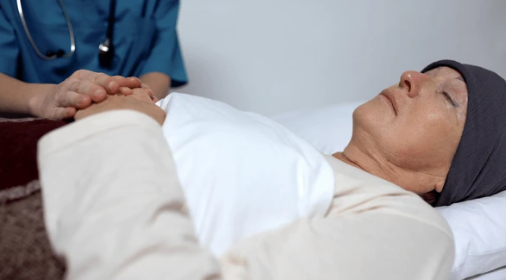
Stage 4. Two words that change everything.
It means the cancer didn’t stay where it started. It moved. Quietly. Through your blood, through your lymph nodes, into organs that had nothing to do with the original problem. The liver. The lungs. The bones. And yet. Stage 4 doesn’t automatically mean there’s nothing left to do. It really doesn’t.
According to Dr. Sandeep Nayak,
surgical oncologist in Bangalore, “Stage 4 frightens people but good cancer treatment can still give patients more time and far better quality of life than they expect.”
What Does Stage 4 Actually Feel Like?
This is the part nobody explains properly. Stage 4 isn’t one experience. It’s different for every person depending on where the cancer started and where it’s ended up.
- Cancer Has Moved to Distant Organs: Your original tumour has released cells into the bloodstream or lymph system and they’ve now settled in organs nowhere near where the cancer first began.
- Symptoms Hit Harder and All at Once: Crushing fatigue, rapid unexplained weight loss, persistent pain that won’t respond to simple medication and a body that just feels completely different to you.
- Multiple Organs Are Now Involved: Liver, lungs, brain and bones are where Stage 4 most commonly lands and each new site brings fresh complications that your body struggles to manage.
- What Doctors Are Trying to Achieve Shifts: The honest truth is that at Stage 4 cancer treatment often stops being about a cure and starts being about control, comfort and giving you more good days.
In cases of cancers where a high degree of accuracy in tumour removal is demanded in anatomically complex regions, innovative robotic surgery technologies are becoming a popular method of enhancing the accuracy of surgery and recovery in patients.
So How Different Is Stage 4 From What Came Before?
Honestly? The gap is enormous. And most people don’t fully grasp it until they’re already in it.
- Surgery Gets Much Harder to Access: Early cancers can often be removed cleanly and completely but by Stage 4 the spread makes full surgical removal genuinely difficult or simply not possible.
- Treatment Becomes a Combination Game: One surgery or a short course of radiation might sort early stage cancer but Stage 4 needs chemotherapy, targeted drugs and immunotherapy often running together.
- Results Take Longer and Come Less Reliably: Treatment response rates at Stage 1 and Stage 2 are dramatically higher and more predictable than what Stage 4 patients can realistically expect from their care.
- The Emotional Reality Is Just Heavier: This isn’t just a medical experience anymore. Stage 4 patients carry uncertainty into every single day and that invisible weight deserves real acknowledgement not just medical management.
In the case of early diagnosis and localisation of the cancer, the novel laparoscopic surgery methods can promote successful removal of the tumour using smaller incisions and shorter recovery time in the right patients.
Why Choose Dr. Sandeep Nayak for Cancer Treatment in Bangalore?
Dr. Sandeep Nayak doesn’t give up on difficult cases.. He’s spent over 24 years treating cancers that push every boundary of what surgery and oncology can achieve. For Stage 4 patients he doesn’t hand over a standard pamphlet and send them home. He digs. He looks at molecular profiling results to find targeted therapy options that weren’t possible even five years ago. He identifies the rare cases where surgery still makes sense. He designs palliative care plans with genuine thoughtfulness around what actually matters to that specific person. Not a protocol. A person. Every single patient gets treated like their case is the most important one in the room. Because in that moment it genuinely is.
Frequently Asked Questions
Can Stage 4 cancer actually go into remission?
Yes, some Stage 4 cancerous like some lymphomas and breast cancers do effectively respond to treatment to the extent of real remission.
What physical signs suggest cancer might have reached Stage 4?
A sudden intense weight loss, excessive fatigue, pain in the bones, shortness of breath and yellowing of the skin all indicate the possibility of advanced spread that requires immediate assessment.
Is palliative care really the only path left at Stage 4?
No, most of the Stage 4 patients continue with active cancer therapy with targeted therapy, immunotherapy or selective surgery all based on the particular case.
How long can someone live after a Stage 4 diagnosis?
Depending on the type of cancer and response to the treatment, it can fluctuate greatly, actually it may take several months or several years with the correct specialist care.
Reference links:
-
National Cancer Institute (NCI) – Cancer Staging
https://www.cancer.gov/about-cancer/diagnosis-staging/staging -
American Cancer Society – Understanding Advanced Cancer and Metastasis
https://www.cancer.org/treatment/understanding-your-diagnosis/advanced-cancer/what-is.html
Disclaimer: The information shared in this content is for educational purposes and not for promotional use.
