
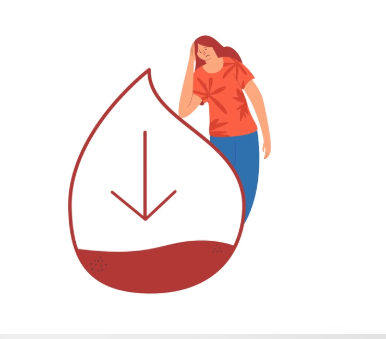
Low hemoglobin (anemia) is most commonly associated with cancers that directly affect blood cell production in the bone marrow such as leukemia, lymphoma, and multiple myeloma or cancers that cause chronic internal bleeding, including colon, stomach, and gynecological cancers. It may also occur in kidney cancer, which can reduce the production of erythropoietin (a hormone needed for red blood cell formation), or as a side effect of chemotherapy and other cancer treatments.
According to Dr Sandeep Nayak, a leading oncologist in Bangalore,
“Persistent or unexplained low hemoglobin should be carefully evaluated, especially when accompanied by fatigue, weight loss, or abnormal bleeding.”
Which Types of Cancer Are Most Commonly Linked to Low Hemoglobin?
Several cancers are known to cause low hemoglobin levels:
- Blood and Bone Marrow Cancers: Leukemia, multiple myeloma, and myelodysplastic syndromes directly suppress the bone marrow, reducing red blood cell production.
- Gastrointestinal (GI) Cancers: Colon, stomach, and rectal cancers often cause chronic, slow internal bleeding, leading to iron-deficiency anemia.
- Kidney Cancer: Tumors in the kidneys can reduce the production of erythropoietin, the hormone that signals the bone marrow to produce red blood cells.
- Gynecological Cancers: Cervical, uterine, and ovarian cancers may cause significant or prolonged blood loss.
- Metastatic Cancers: Advanced cancers such as breast and lung cancer that spread to the bone marrow can interfere with normal blood cell formation.
Dr Sandeep Nayak explains that anemia related to cancer often develops gradually and may initially present as unexplained tiredness or weakness.
How Does Cancer Cause Low Hemoglobin Levels?
Cancer can reduce hemoglobin in several ways:
- Bone marrow infiltration: Cancer cells crowd out healthy blood-forming cells.
- Chronic blood loss: Tumors in the stomach or colon may bleed slowly over time.
- Nutritional deficiencies: Cancer may interfere with iron, B12, or folate absorption.
- Inflammation: Chronic disease suppresses red blood cell production (anemia of chronic disease).
- Side effects of cancer treatment: Chemotherapy can temporarily reduce hemoglobin.
If hemoglobin levels remain low despite iron or vitamin supplementation, further investigation is necessary.
When Should You Consult Dr Sandeep Nayak for Cancer Treatment?
You should consult Dr Sandeep Nayak for cancer treatment if you experience persistent warning signs such as unexplained weight loss, prolonged fatigue, unusual bleeding, lumps, or changes in bowel or bladder habits. Early evaluation helps in timely diagnosis and better treatment outcomes.
It is also important to seek expert guidance after abnormal blood tests, imaging scans, or biopsy results. Patients who have been newly diagnosed with cancer should consult Dr Sandeep Nayak, an experienced oncologist in Bangalore, to determine the stage of the disease and develop a personalized treatment plan.
Frequently Asked Questions
Can low hemoglobin be the first sign of cancer?
Yes, in some cases, anemia may be an early indicator, especially in colon or blood cancers.
Does every cancer patient have low hemoglobin?
No. Not all cancers cause anemia. It depends on the type, stage, and overall health of the patient.
Can iron supplements fix cancer-related anemia?
Iron may help if deficiency is present, but cancer-related anemia often requires treating the underlying cause.
What hemoglobin level is concerning for cancer?
Persistently low levels below the normal range (typically under 12 g/dL for women and 13 g/dL for men) require evaluation.
Reference links:
https://my.clevelandclinic.org/health/diseases/17179-liver-disease
https://britishlivertrust.org.uk/information-and-support/liver-health-2/symptoms-of-liver-disease/
Disclaimer: The information shared in this content is for educational purposes and not for promotional use.
