
Head and Neck Cancer Treatment in Bangalore
Head and neck cancers affect some of the most vital areas of the body, the mouth, throat, voice box, nose, and salivary glands. These regions control how we speak, eat, and breathe, which is why early and expert treatment matters so much.
Dr. Sandeep Nayak notes that most of the head and neck cancers are highly treatable, particularly when caught early. Surgery, radiation, and chemotherapy are often combined for the best results. He stresses that modern treatment aims not only to eliminate the cancer completely but also to preserve speech, swallowing, and appearance wherever possible.
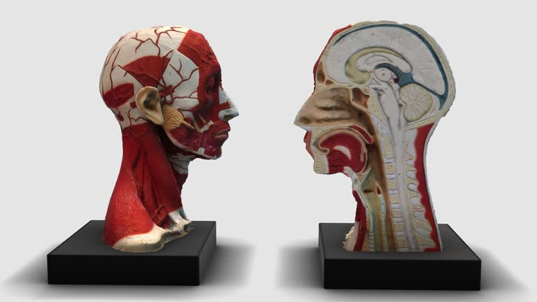
This is the standard of care patients can expect at the practice of Dr. Sandeep Nayak. A globally recognized surgical oncologist in India, he brings deep expertise in diagnosing and surgically managing head and neck malignancies. Patients undergoing head and neck cancer treatment at MACS Clinic in Bangalore benefit from Dr. Nayak’s precision in complex tumor surgery, his use of function-preserving techniques, and a consultative approach that keeps each patient informed and confident at every stage.
Let’s begin with the treatment options.
Treatment Options for Head and Neck Cancer
Dr. Sandeep Nayak, with his expert team, plans head and neck cancer treatment in Bangalore based on the type, location, and stage of the disease. In most cases, a combination of approaches gives the best outcome:
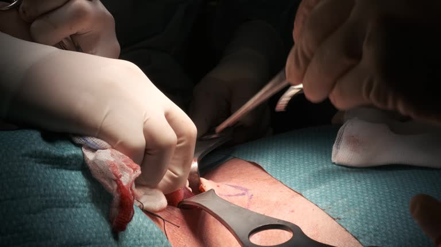
Surgery
Often, the primary treatment is used to remove the tumor and affected tissue. Minimally invasive and robotic techniques allow precise removal with less impact on speech and swallowing.
For more detailed information on surgical care, you can also visit this resource on head and neck cancer surgery.
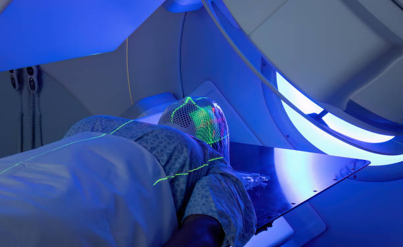
Radiation therapy
Targeted radiation destroys cancer cells, used alone or in combination with surgery.

Chemotherapy
Medication used to treat advanced cancer or to support surgery and radiation.
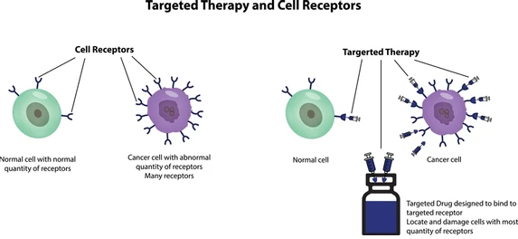
Targeted therapy
Newer drugs that act on specific features of cancer cells.
The treatment plan is always tailored to the individual. As an experienced surgical oncologist in Bangalore, Dr. Sandeep Nayak focuses on effectively removing cancer while preserving function and appearance wherever possible.
How Head and Neck Cancer Is Diagnosed
Accurate diagnosis is the foundation of effective treatment. It usually involves several steps:

Physical examination
The doctor examines the mouth, throat, neck, and lymph nodes for lumps or abnormal areas.
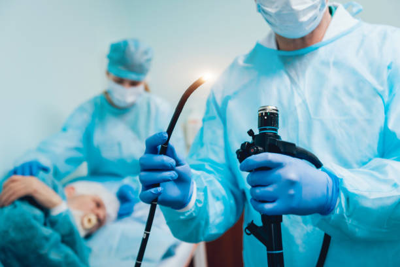
Endoscopy
A thin, flexible scope helps visualize areas such as the throat and voice box.

Imaging
CT, MRI, PET, or ultrasound scans show the size, location, and spread of the cancer.
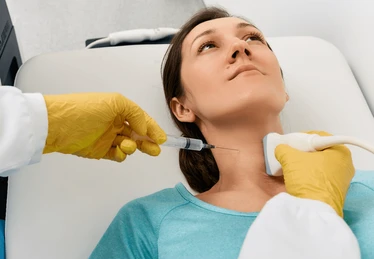
Biopsy
A tissue sample is examined under a microscope to confirm the presence of cancer and its type.
Together, these tests help determine the exact stage of the cancer, which guides the most suitable treatment plan. Early and accurate diagnosis often leads to simpler treatment and better outcomes.
Noticed a worrying symptom? Don’t delay. Book an evaluation with an expert today.
Symptoms of Head and Neck Cancer
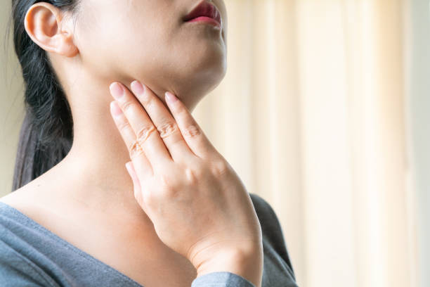
Head and neck cancer symptoms are often mistaken for minor, everyday problems, which is why awareness matters. Common signs include:
* A sore in the mouth that doesn’t heal or a mouth ulcer.
* A persistent lump in the neck, mouth, or throat.
* A change or hoarseness in the voice lasting weeks.
* Difficulty or pain while swallowing.
* A persistent sore throat or ear pain.
* Unexplained weight loss.
* Persistent nasal blockage or bleeding.
* White or red patches on the inside of the mouth.
Although a single symptom doesn’t necessarily indicate cancer, if a symptom persists for two or three weeks or more, it is time to see a specialist. A focus on early attention can be extremely influential.
Treatment is one part of the journey. Rehabilitation plays an equally significant role.
Post-Treatment Care and Rehabilitation

Since head and neck cancer impacts speech, eating, and physical appearance, structured post-treatment support helps patients to resume normal life:
* Speech therapy. Assists in restoring a clear speech after surgery or radiation.
* Swallowing therapy. Facilitates safe and comfortable eating.
* Nutrition guidance. Guidance for maintaining good physical condition through the recovery period.
* Dental and oral care. Radiation treatment must be delivered to the mouth region.
* Psychological counseling. Helps patients address issues associated with treatment.
If properly supported by rehabilitation specialists, most patients fully recover and lead a normal life.
Planning your recovery? Reach out to an expert care team that can support you at every step.
So, what can patients realistically expect?
Treatment Success and Survival Rates
Survival and success rates for head and neck cancer depend strongly on the stage at diagnosis. Cancers found early, before they spread, have a much higher chance of successful treatment and cure.
Several factors influence outcomes:
- Stage at diagnosis. Early-stage cancers have notably better outcomes.
- Location of the cancer. Some sites respond better to treatment than others.
- Overall health. General fitness affects how well a patient tolerates treatment.
- Expert care. Treatment by an experienced specialist team improves results.
Advances in surgery, radiation, and targeted therapy have steadily improved outcomes over the years. Choosing a seasoned oncologist in Bangalore for timely, expert care gives patients the strongest possible chance of recovery.
FREQUENTLY ASKED QUESTIONS
1. What are the early signs of head and neck cancer?
A non-healing mouth ulcer, a neck lump, voice changes, or difficulty swallowing lasting more than a few weeks.
2. Is head and neck cancer curable?
Yes. When detected early, head and neck cancer is highly treatable and often curable.
3. Is surgery always required?
Surgery is common, especially for early-stage cancer, but the plan depends on the type, stage, and location.
4. Will treatment affect my speech or swallowing?
It can, but speech and swallowing therapy help most patients recover good function after treatment.
5. Can head and neck cancer come back?
Yes, recurrence is possible; that is why regular follow-up after treatment is important.
Disclaimer: The information shared in this content is for educational purposes and not for promotional use.