
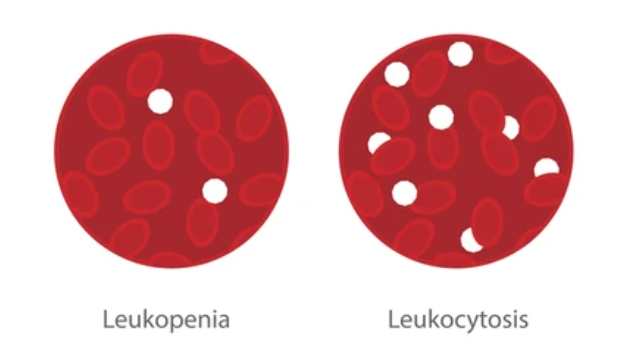
Leukocytosis is not a cancer but rather a high white blood cell (WBC) count, a sign of an underlying condition. Although it is often caused by non-cancerous conditions such as infections, inflammation, or certain medications, it may, in rare instances, be a sign of blood cancers such as leukemia or lymphoma.
According to Dr. Sandeep Nayak, surgical oncologist in Bangalore,
“Leukocytosis is often dismissed as infection, but if white cell counts stay elevated after treatment, specialist evaluation is essential to rule out malignancy.”
What Are the Common Causes of High TPO Antibodies and Their Link to Cancer?
Understanding why white blood cell counts rise helps determine whether cancer treatment evaluation is immediately necessary.
- Bacterial Infections: The most common cause of leukocytosis, where the immune system produces extra white cells to fight active bacterial or viral infections in the body.
- Chronic Inflammation: Conditions like rheumatoid arthritis, inflammatory bowel disease, and vasculitis chronically stimulate white cell production without any underlying malignancy.
- Leukaemia: Both acute and chronic leukaemia directly cause leukocytosis by producing abnormal, non-functional white blood cells in massive quantities within the bone marrow.
- Lymphoma: Advanced lymphoma can spill abnormal lymphocytes into the bloodstream, causing significantly elevated white cell counts detectable on a routine complete blood count.
- Myeloproliferative Disorders: Conditions like Polycythaemia Vera and Essential Thrombocythaemia cause the bone marrow to overproduce multiple blood cell types including white cells.
- Medication Side Effects: Corticosteroids, lithium, and colony-stimulating factors commonly elevate white blood cell counts without indicating any underlying cancer or serious disease.
According to ICMR, leukaemia accounts for approximately 2.8% of all cancers diagnosed in India annually, with persistent unexplained leukocytosis being one of the most consistent early laboratory findings. For specialised evaluation and treatment of adrenal tumors, consult an experienced surgical oncology team for personalised care.
What Are the Key Differences Between Infection-Related and Cancer-Related Leukocytosis?
Identifying the true cause of leukocytosis is critical before any cancer treatment decision is made.
- Visibility / Precision: Infection-related leukocytosis resolves within days of antibiotic treatment, while cancer-related leukocytosis persists or worsens despite treating the apparent cause.
- Success Rates: Blood cancers causing leukocytosis detected at early stages have significantly better outcomes, with chronic leukaemia showing 5-year survival rates above 85% [VERIFY: NCI SEER database].
- Recovery Time: Infection-related leukocytosis normalises within 1–2 weeks of treatment, while cancer-related leukocytosis requires months of chemotherapy or targeted cancer treatment in Bangalore.
- Complex Case Suitability: Leukocytosis with blast cells on peripheral smear or abnormal bone marrow findings requires urgent multidisciplinary cancer treatment planning by a specialist team.
In cancers such as rectal cancer, outcomes and curability largely depend on early detection, accurate staging, and a well-coordinated treatment approach.
Why Choose Dr. Sandeep Nayak for Cancer Treatment in Bangalore?
Dr. Sandeep Nayak follows a thorough and systematic approach to evaluating patients with abnormal blood findings like leukocytosis, coordinating between surgical oncology, haematology, and medical oncology to ensure accurate diagnosis and timely cancer treatment. With 24+ years of experience across complex oncology cases and a patient-first approach to diagnosis, he ensures no abnormal finding is dismissed without a complete and structured investigation. Every patient receives a personalized treatment plan focused on early detection, precise diagnosis, and the most effective cancer care available.
Frequently Asked Questions
Frequently Asked Questions
Can leukocytosis go away without cancer treatment?
Yes, leukocytosis caused by infection or inflammation resolves completely once the underlying condition is treated effectively.
What blood tests confirm if leukocytosis is cancer related?
A peripheral blood smear, bone marrow biopsy, flow cytometry, and molecular genetic testing confirm whether leukocytosis is linked to cancer.
How quickly should I see a specialist if my white cell count is high?
Any white cell count persistently above 11,000 per microlitre without an obvious cause should be evaluated by a specialist within two weeks.
Can leukocytosis caused by cancer be treated successfully?
Yes, many blood cancers causing leukocytosis respond well to chemotherapy, targeted therapy, or stem cell transplant when diagnosed and treated early.
Reference links:
-
MedlinePlus – Leukocytosis
https://medlineplus.gov/ency/article/003643.htm -
National Cancer Institute – Adult Leukemia Treatment – Patient Version
https://www.cancer.gov/types/leukemia/patient/adult-leukemia-treatment-pdq
Disclaimer: The information shared in this content is for educational purposes and not for promotional use.
