
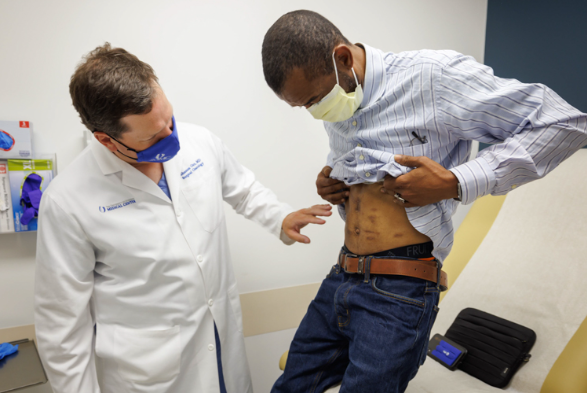
HIPEC surgery is one of the most significant operations in cancer treatment. And life expectancy after it depends on things that are genuinely specific to each patient. The cancer type. The extent of spread. How completely the surgeon removed visible disease before the heated chemotherapy was delivered. These variables matter enormously. And understanding them helps you ask better questions than a number ever could on its own.
According to Dr. Sandeep Nayak, a surgical oncologist in India, “HIPEC gives certain patients with peritoneal spread a genuine chance at long term survival that simply didn’t exist before this procedure became available and that fact deserves to be said clearly.”
What Does Life Expectancy After HIPEC Actually Look Like in Real Terms?
People come to this question wanting a number. A year. A percentage. Something to hold. And while numbers exist they only mean something when they’re understood in the context of what actually drives them.
- Completeness of Cytoreduction Is the Single Most Powerful Predictor of Survival After HIPEC: A CC-0 resection meaning no visible residual disease after surgery produces dramatically better survival outcomes than CC-1 or CC-2 resections and this single surgical factor influences life expectancy more than almost any other variable in the entire procedure.
- The Original Cancer Type Determines the Survival Range More Than Anything Else: Appendix cancer patients undergoing HIPEC achieve five year survival rates above 50% in many published series while colorectal peritoneal metastases produce five year survival rates of 30 to 45% and mesothelioma varies widely depending on subtype and extent of disease.
- Peritoneal Cancer Index Score at Surgery Tells the Surgeon How Widely Disease Has Spread: The PCI score calculated during surgery by assessing how many abdominal regions contain tumour deposits directly correlates with survival outcomes with lower scores consistently producing better long term results across all cancer types treated with HIPEC.
- Patient Fitness and Recovery Capacity After This Major Surgery Shapes Long Term Outcomes Too: HIPEC is one of the most physically demanding operations in surgical oncology and patients who recover well from the immediate post-operative period and maintain strength through recovery consistently show better long term survival trajectories than those whose recovery is complicated.
HIPEC outcomes are inseparable from the biology of the primary tumour and the extent of peritoneal spread at the time of surgery rather than from the procedure alone. For a structured explanation of indications, patient selection, and survival determinants, refer to HIPEC (Hyperthermic Intraperitoneal Chemotherapy), where the clinical framework behind these numbers is outlined in detail.
What Factors in Your Specific Situation Affect Your Personal Outlook After HIPEC?
Because the published averages include everyone. And your situation isn’t everyone. Here’s what makes individual outcomes diverge significantly from the population numbers.
- How Your Cancer Responds to the Heated Chemotherapy Component During the Procedure: Some cancer types and molecular subtypes respond far more sensitively to the intraperitoneal chemotherapy delivered during HIPEC than others and this biological sensitivity directly affects how much residual microscopic disease survives the procedure.
- Whether This Is Your First HIPEC Procedure or a Repeat Operation After Recurrence: Primary HIPEC in a patient who hasn’t had previous abdominal surgery produces better outcomes than redo procedures in scarred abdominal cavities where achieving complete cytoreduction becomes technically significantly harder.
- Your Nutritional Status and Physical Condition Going Into Such a Major Operation: Patients who arrive at HIPEC surgery well nourished, physically active and with good baseline organ function tolerate the procedure better, recover faster and show consistently better long term outcomes than those who arrive nutritionally depleted or physically deconditioned.
- The Volume of HIPEC Cases Your Surgeon and Centre Have Actually Performed: Outcomes after HIPEC are directly and consistently correlated with surgical volume meaning a surgeon and centre that performs this operation regularly produces measurably better results than those performing it occasionally and that difference in outcomes is documented clearly in the literature.
Long-term outlook after peritoneal surface malignancy treatment is also influenced by the biology of the original primary tumour and how it behaves systemically beyond the abdomen. For example, management principles differ significantly in Colon Cancer Treatment, where tumour stage, nodal status, and systemic therapy response shape survival expectations alongside surgical intervention.
Why Choose Dr. Sandeep Nayak for Cancer Treatment in India?
Dr. Sandeep Nayak is one of India’s most experienced HIPEC surgeons having performed cytoreductive surgery and HIPEC for peritoneal metastases from colorectal, appendix, ovarian and gastric cancers with outcomes that reflect what genuine high volume expertise in this technically demanding procedure actually produces. As one of India’s most trusted surgical oncologists he evaluates every potential HIPEC candidate with the thoroughness this major decision deserves. PCI scoring. Nutritional optimisation before surgery. Careful patient selection. And an honest conversation about what the procedure realistically offers each specific patient based on their specific disease rather than a generic survival statistic pulled from a broad population study.
Frequently Asked Questions
What is the average five year survival rate after HIPEC surgery for colorectal cancer?
Selected colorectal peritoneal metastases patients achieving complete cytoreduction show five year survival rates of 30 to 45% in published series compared to under 5% with chemotherapy alone historically.
Does the PCI score at surgery significantly affect life expectancy after HIPEC?
Yes, lower PCI scores consistently produce better survival outcomes across all cancer types treated with HIPEC making disease extent at surgery one of the strongest predictors of long term results.
Can HIPEC surgery be performed more than once if peritoneal disease recurs after the first procedure?
Repeat HIPEC is technically possible in selected patients but outcomes are generally less favourable than primary procedures due to adhesions and the challenges of achieving complete cytoreduction again.
How long is the recovery period before normal life resumes after HIPEC surgery?
Most HIPEC patients spend seven to fourteen days in hospital and require two to three months of recovery before returning to meaningful normal activity depending on surgical extent and individual fitness.
Reference links:
-
- National Health Service (NHS)
Bowel Cancer – Recovery and Long-Term Effects After Surgery
https://www.nhs.uk/conditions/bowel-cancer/treatment/
- American Cancer Society
Colon Cancer Surgery – What to Expect & Possible Side Effects
https://www.cancer.org/cancer/types/colon-rectal-cancer/treating/colon-surgery.html
- National Health Service (NHS)
- Disclaimer: The information shared in this content is for educational purposes and not for promotional use.
