
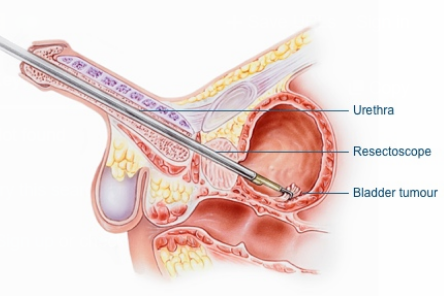
Cancer surgery removes malignant tissue or entire tumours to treat, confirm, or manage the disease. It’s the most direct approach for solid tumour cancers. Whether it’s recommended comes down to tumour stage, anatomical location, and how well the patient can clinically tolerate the procedure.
According to Prof. Dr. Sandeep Nayak, Surgical Oncologist in India, “surgery is recommended not just when a tumour exists, but when its complete or meaningful removal is achievable without unacceptable risk to the patient.”
Not sure if surgery is the right option for your diagnosis?
What Are the Main Types of Cancer Surgery?
Cancer surgery is classified by intent. The approach differs considerably depending on what the surgery is meant to achieve.
- Curative: Removes the tumour entirely with clear histological margins when disease is confined to the primary site and hasn’t breached surrounding critical anatomy.
- Debulking: Applied when full excision isn’t surgically possible reduces tumour load so chemotherapy or radiation has less residual disease to work against.
- Diagnostic: Tissue extraction through core-needle or excisional biopsy; laparoscopic cancer surgery is used when deep-seated lesions need access with minimal operative trauma.
- Palliative: Addresses complications like bowel obstruction or biliary blockage in advanced cases. Not about cure. About function and quality of remaining life.
Surgical intent goes through tumour board review first. No unilateral calls here.
When Exactly Is Cancer Surgery Recommended?
Surgery gets recommended when the full clinical picture imaging, pathology, fitness confirms it’ll do more good than harm.
- Stage at Diagnosis: Stage I and II localised tumours are the strongest candidates. The earlier the intervention, the higher the probability of durable disease control before spread occurs.
- Resectability: CT, MRI, and PET-CT determine proximity to major vessels or visceral structures. A technically unresectable tumour doesn’t go to theatre regardless of stage.
- Post-Neoadjuvant Candidacy: Some tumours only become operable after chemotherapy or radiation shrinks them enough resectability isn’t always a fixed status at first assessment.
- Pre-Operative Fitness: Cardiac reserve, lung function, serum albumin, and performance status are all evaluated together. Medical unfitness stops the surgical pathway regardless of tumour operability.
Surgery doesn’t always come first. But for most solid tumour cancers, it anchors everything that follows. For more on robotic surgery, this is covered separately in detail.
Why Consider Dr. Sandeep Nayak?
Dr. Sandeep Nayak holds DNB qualifications in Surgical Oncology and General Surgery, with a fellowship in Laparoscopic and Robotic Onco-Surgery and over 24 years across genuinely complex oncological cases. He heads Oncology Services across Karnataka and leads Surgical Oncology and Robotic Surgery at KIMS Hospital, Bangalore. Published 25+ studies. Originator of RABIT, MIND, and L-VEIL techniques. Cases involving multi-organ disease or those turned away elsewhere are assessed here decisions made through tumour board consensus, outcomes tracked. Call +91 8104310753 to book your consultation.
Frequently Asked Questions
Is cancer surgery suitable for all cancer types?
Surgery applies to solid tumours; blood cancers like leukaemia don’t typically require surgical intervention.
Can surgery alone cure cancer?
In early-stage localised cancers, complete surgical resection with clear margins can achieve long-term cure.
How is surgical risk assessed before an operation?
Cardiopulmonary function, nutritional status, imaging findings, and performance score determine surgical eligibility.
Does cancer surgery always require a long hospital stay?
Stay duration varies by procedure type, surgical approach used, and the patient’s post-operative recovery trajectory.
Reference links:
- National Cancer Institute — Surgery to Treat Cancer
- World Health Organization — Cancer Treatment Overview
- Disclaimer: The information shared in this content is for educational purposes and not for promotional use.
