
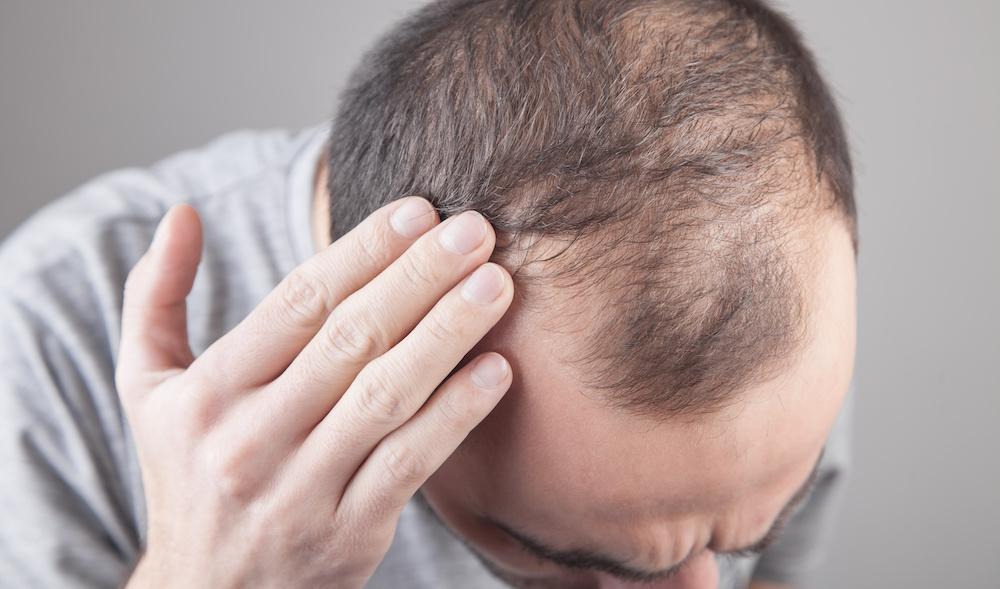
Hair loss depends entirely on which cancer treatment you’re receiving. Surgery alone, hormone therapy, most targeted therapies and immunotherapy generally don’t cause hair loss. Certain chemotherapy drugs and radiation to the head are the main causes, though not every chemo regimen leads to losing hair. When it does happen, hair fall usually starts two to four weeks after the first cycle, and almost all hair regrows within three to six months of finishing treatment.
According to Prof. Dr. Sandeep Nayak, Surgical Oncologist in India, “Hair loss is the side effect patients fear most, often more than the treatment itself. My job is to be honest about which regimens cause it, which don’t, and to remind patients that for the ones that do, the hair almost always comes back. It’s temporary, but the worry behind the question deserves a real answer, not a vague one.”
That worry about losing your hair deserves a straight answer, not a vague maybe.
What Causes Hair Loss in Cancer Treatment?
Not every treatment touches the hair follicles. Here’s what actually does.
- Certain chemo: Drugs like doxorubicin, paclitaxel, docetaxel and cyclophosphamide commonly cause significant hair loss, while others like 5 FU or carboplatin usually cause only mild thinning.
- Head radiation: Radiation to the head or brain causes hair loss in the treated area, often regrowing partially after, depending on the dose received.
- Hormone tablets: Endocrine therapies like tamoxifen or aromatase inhibitors can cause mild thinning over months, but very rarely the dramatic loss seen with chemo.
- Mostly safe: Surgery alone, most targeted therapies, immunotherapy and other supportive treatments generally don’t cause meaningful hair loss at all.
So whether you lose hair depends on which specific treatment is planned. For patients whose treatment plan includes surgery, robotic cancer surgery doesn’t cause hair loss on its own, since hair follicles aren’t affected by precise surgical removal.
What Should You Expect and How Can You Cope?
A clear picture and a few practical steps make a real difference.
- Cut short: Many patients find cutting hair short before treatment starts makes the falling phase emotionally easier and less visually shocking.
- Cold caps: Scalp cooling caps worn during chemo can reduce hair loss in some patients by narrowing the blood vessels reaching hair follicles, ask your oncologist if suitable.
- Gentle care: Use mild shampoos, soft brushes, avoid heat styling, hair colour and chemical treatments through the months of chemo and early regrowth.
- Plan ahead: Many patients arrange a wig, scarves or caps before hair falls, which often feels more confident than scrambling once the fall starts.
So preparation softens the experience. To understand what your specific treatment plan involves, our blog on chemo rounds for breast cancer explains how each cycle is decided and what side effects to expect along the way.
Why Choose Dr. Sandeep Nayak for Your Breast Cancer Care?
Dr. Sandeep Nayak brings 24 years of surgical oncology experience, DNB qualifications in Surgical Oncology and General Surgery and a fellowship in Laparoscopic and Robotic Onco Surgery to the care of patients through every stage of treatment. He takes time to explain exactly which parts of a plan affect hair, which don’t and what to expect, so patients can prepare rather than be caught off guard mid treatment.
That clear, honest explanation upfront is what makes treatment less overwhelming. Every case at MACS Clinic goes through a full tumour board, where the treatment plan is set together. Call +91 8104310753 to book your consultation.
Frequently Asked Questions
Will I lose hair with cancer treatment?
It depends on the specific treatment, not all cause hair loss.
Which treatments cause hair loss?
Mainly certain chemotherapy drugs and radiation to the head.
When does hair fall start?
Usually two to four weeks after starting chemotherapy.
Will my hair grow back?
Yes, almost always, within three to six months of finishing.
References:
- National Cancer Institute, Hair Loss (Alopecia) and Cancer Treatment. https://www.cancer.gov/
- World Health Organisation, Cancer. https://www.who.int/news-room/fact-sheets/detail/cancer
