
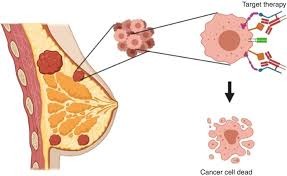
Chemotherapy uses drugs that attack all fast dividing cells in the body, including cancer cells but also healthy cells in hair follicles, the gut lining and bone marrow, which is why hair loss, nausea and low blood counts are common. Targeted therapy attacks only specific molecules or genetic mutations found in cancer cells, leaving most healthy cells alone, which means fewer broad side effects but its own distinct ones. Both are powerful, often used together, and the right choice depends entirely on the cancer’s biology.
According to Prof. Dr. Sandeep Nayak, Surgical Oncologist in India, “The biggest misunderstanding patients carry into a treatment plan is thinking targeted therapy is simply a gentler chemo. It isn’t, it’s an entirely different approach that works only when your cancer has the specific molecular target the drug is designed for. That’s why the testing on the tumour matters as much as the drug choice itself.”
That treatment choice deserves a clear understanding, not a confused yes to whatever’s offered.
How Does Chemotherapy Work?
Chemotherapy is the foundational cancer drug treatment, and its mechanism is broad by design.
- Broad attack: Chemo drugs travel through the bloodstream and attack any cell dividing quickly, which includes cancer cells but also healthy ones.
- Healthy hit: Hair follicles, gut lining, bone marrow and nail beds are all hit too, which is where the visible side effects of chemo come from.
- Wide use: Works against most cancer types regardless of specific genetic profile, which makes it the backbone of treatment for many cancers.
- Cycle based: Given in scheduled cycles with rest periods between, allowing healthy cells time to recover before the next round.
So chemo’s strength is its breadth, but so is its main limitation. For patients whose treatment plan includes surgery, robotic cancer surgery works alongside chemo or targeted therapy in a complete treatment plan.
Targeted Therapy vs Chemotherapy: A Side by Side Comparison?
The two work on entirely different principles. Here’s how they actually compare.
|
Feature |
Chemotherapy |
Targeted Therapy |
|
Mechanism |
Kills all fast dividing cells |
Attacks specific cancer molecules |
|
Selectivity |
Hits healthy and cancer cells |
Mostly cancer cells, spares healthy |
|
Side effects |
Hair loss, nausea, low counts |
Skin rash, BP changes, liver effects |
|
Eligibility |
Most cancers, no test needed |
Only if tumour has specific target |
|
Delivery |
Usually IV, in cycles |
Often oral tablets daily |
- Test first: Targeted therapy needs molecular or genetic testing on the tumour first to confirm the specific target exists, which is why the biopsy matters.
- Different side effects: Targeted therapy usually avoids hair loss and nausea but can cause skin rashes, high blood pressure, fatigue and liver changes that need monitoring.
- Often combined: Many modern plans use both, with chemo killing existing cancer cells and targeted therapy blocking the pathways cancer needs to grow back.
- Not always option: If your tumour doesn’t have the molecular target, targeted therapy simply won’t work, which is why standard chemo remains essential for many cancers.
So the right choice depends entirely on what testing shows about the tumour. To understand what a chemotherapy course actually involves week by week, our blog on chemo rounds for breast cancer walks through cycles, decisions and what patients can expect.
Why Choose Dr. Sandeep Nayak for Your Breast Cancer Care?
Dr. Sandeep Nayak brings 24 years of surgical oncology experience, DNB qualifications in Surgical Oncology and General Surgery and a fellowship in Laparoscopic and Robotic Onco Surgery to the care of patients across every cancer type. He explains the targeted therapy and chemotherapy choice with the tumour’s actual test results in hand, so patients understand why a specific plan is recommended for them, not just told what to do.
That explanation built around your own tumour’s biology is what makes treatment decisions feel informed, not arbitrary. Every case at MACS Clinic goes through a full tumour board, where the treatment plan is set together. Call +91 8104310753 to book your consultation.
Frequently Asked Questions
What is the difference between targeted therapy and chemo?
Chemo kills all fast growing cells, targeted therapy attacks only specific cancer ones.
Which has fewer side effects?
Targeted therapy usually, though it has its own specific side effects.
Can both be used together?
Yes, many cancer treatment plans combine them for better results.
Is targeted therapy right for every cancer?
No, only cancers with specific molecular targets respond to it.
References:
- National Cancer Institute, Targeted Therapy for Cancer. https://www.cancer.gov/
- World Health Organisation, Cancer. https://www.who.int/news-room/fact-sheets/detail/cancer
