
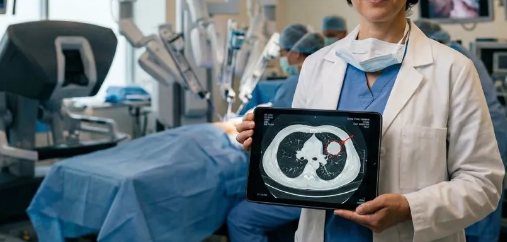
A surgical oncologist is not a general surgeon who occasionally removes tumours. The training is specific to cancer, covering how tumours behave, how margins affect outcomes and how surgery connects to everything else in the treatment plan. Most solid tumour cancers, breast, colon, liver, pancreas, thyroid and head and neck, are managed within this specialty.
According to Prof. Dr. Sandeep Nayak, Surgical Oncologist in India, “patients often come in thinking any surgeon can handle their cancer case, but the decisions made in theatre and around it are fundamentally different when oncological outcomes are the goal.”
Want to know if a surgical oncologist is the right specialist for your case?
What Does a Surgical Oncologist Actually Do?
The role goes well beyond operating and covers clinical decisions at every stage of the cancer treatment journey.
- Tumour Assessment: Before any operation is planned, scans, biopsy findings and staging results are reviewed together to work out whether surgery will genuinely benefit the patient or whether a different approach makes more sense first.
- Operative Management: The choice between open, laparoscopic or robotic surgery comes down to where the tumour is, how far it has spread and what level of perioperative risk the patient can reasonably carry going into theatre.
- MDT Participation: No complex cancer case gets decided by one person alone because the surgical pathway always goes through a multidisciplinary team where oncologists, radiologists and radiation specialists all agree on the plan first.
- Post-Operative Care: Once surgery is done, pathology results are reviewed, follow-up treatment is arranged where needed and surveillance runs on a fixed schedule because picking up any change in the disease early genuinely changes what options are still available.
Getting a surgical oncologist involved at the right time is one of the clearest factors that separates a treatment plan built on solid clinical ground from one that’s making things up as it goes.
Which Cancers Do Surgical Oncologists Treat?
Solid tumours across most organ systems fall within this specialty and the technical approach varies considerably depending on which site is involved.
- GI Cancers: Colon, rectal, stomach, oesophageal and pancreatic cancers all land here with procedures like bowel resection, gastrectomy and Whipple surgery chosen based on how far the disease has spread and which structures around the tumour are involved.
- Breast Cancer: Surgery ranges from removing just the lump through to full mastectomy with axillary clearance, and breast cancer treatment decisions are driven by the tumour’s receptor profile and nodal burden rather than size alone.
- Hepatobiliary Cancers: Liver resections, bile duct surgery, adrenal tumours and retroperitoneal sarcomas sit here and these are genuinely complex cases that need a surgeon with high specific operative volume and the institutional backup to handle complications.
- Head, Neck and Thyroid: Oral cancers, thyroid malignancies, laryngeal tumours and neck dissections are managed within this domain, and robotic cancer surgery has materially changed what’s achievable here in terms of precision and how patients recover afterward.
Gynaecological and thoracic cancers also fall within the scope depending on training and setup, and for a full account of how cancer surgery works in practice, cancer surgery is covered separately.
Why Choose Dr. Sandeep Nayak for Surgical Oncology?
Dr. Sandeep Nayak holds DNB qualifications in Surgical Oncology and General Surgery with a fellowship in Laparoscopic and Robotic Onco-Surgery and 24 years of experience managing cancer cases that span multiple organ systems and levels of complexity. He heads Oncology Services across Karnataka and leads surgical oncology and Robotic Surgery at KIMS Hospital, Bangalore, with originator credits for RABIT, MIND and L-VEIL techniques and over 25 published clinical studies. Cases involving rare tumours, multi-organ disease or situations where other centres have turned patients away are assessed here with operative decisions going through tumour board consensus every time. Call +91 8104310753 to book your consultation.
Frequently Asked Questions
What separates a surgical oncologist from a general surgeon?
A surgical oncologist has specific training in cancer resection, oncological staging and margin-based outcomes that general surgery training does not cover.
Does a surgical oncologist only perform surgery?
The role includes diagnosis, staging, tumour board participation and structured post-operative cancer monitoring throughout the full treatment course.
When is the right time to see a surgical oncologist?
At the point of a cancer diagnosis, particularly when a solid tumour has been identified and surgery is likely to be part of what comes next.
Do surgical oncologists handle all types of cancer?
Primarily solid tumour cancers and blood cancers like leukaemia are managed separately by haematology and oncology teams rather than surgical specialists.
Reference links:
- National Cancer Institute — Surgical Oncology Overview
- National Institutes of Health — Role of Surgery in Cancer Treatment
- Disclaimer: The information shared in this content is for educational purposes and not for promotional use.
