
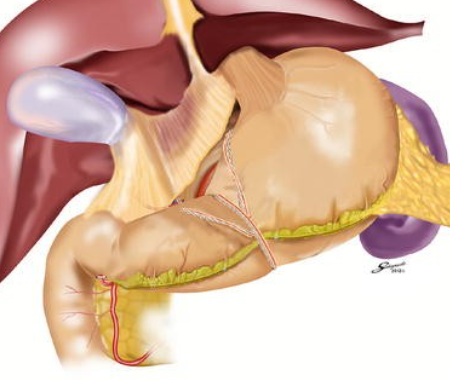
Laparoscopic cancer surgery is a minimally invasive technique using 3–5 tiny incisions, a high-magnification camera (laparoscope), and specialized instruments to remove tumours with high precision. This approach offers faster recovery, less pain, reduced blood loss, and fewer infections compared to open surgery. It is commonly used for colorectal, gynecological, kidney, and prostate cancers.
According to Prof. Dr. Sandeep Nayak, Surgical Oncologist in India, “the smaller incisions aren’t the point what matters is achieving the same oncological result while reducing how much the operation itself sets the patient back physically.”
Thinking about whether laparoscopic surgery is right for your situation?
How Does the Procedure Actually Work?
The mechanics differ from open surgery but the standards for margin clearance and lymph node removal stay exactly the same throughout.
- Creating Access: Small incisions allow the camera and instruments in, carbon dioxide inflates the cavity to create a working room, and the surgeon operates from outside the body while watching a magnified view on screen that often shows anatomy more clearly than direct vision through a large incision would.
- The Resection: Cancer is dissected free of surrounding tissue, lymph nodes are taken where needed and the specimen comes out through one of the incisions, sometimes with a small extension to the opening margin requirements don’t change just because the approach is minimally invasive.
- Recovery Difference: Most patients are walking the next day and go home within two to four days, which matters clinically because patients who recover faster from surgery tolerate adjuvant chemotherapy better and start it sooner.
- When It’s Not Used: Tumours that have grown into major vessels, certain very large lesions or cases where previous abdominal surgery has created significant scarring may not be suitable, and laparoscopic cancer surgery is only offered when the surgeon is confident the oncological result won’t be compromised by the approach.
Patient selection is what makes laparoscopic cancer surgery safe and effective, and getting that selection wrong is what creates problems.
Which Cancers Is It Used For?
The range has expanded considerably over the past decade and laparoscopic approaches are now standard for several cancer types that previously required open surgery as a default.
- Colorectal Cancer: Laparoscopic colectomy and rectal resection are probably the most established minimally invasive cancer operations available, with long-term data showing the same survival, recurrence and margin outcomes as open surgery when the surgeon has sufficient volume and experience.
- Gastric Cancer: Stomach cancer surgery laparoscopically is increasingly common particularly in early and locally advanced cases, though D2 lymphadenectomy demands a high level of operative skill and isn’t something every centre should be attempting through this approach.
- Gynaecological Cancers: Radical hysterectomy, lymph node dissection and staging procedures for uterine and cervical cancers are routinely done laparoscopically, and in some pelvic cases robotic cancer surgery offers additional precision that the standard laparoscopic setup doesn’t quite match.
- Liver and Adrenal: Left lateral liver resections and adrenalectomies that once required large incisions are now regularly completed laparoscopically at high-volume centres, though right-sided liver resections and anything involving major vascular reconstruction still sit outside what most laparoscopic programmes should routinely take on.
The decision about whether laparoscopy works for a specific case depends entirely on the tumour and the team, and for context on how this fits into the broader picture of cancer surgery decisions, cancer surgery is covered separately.
Why Choose Dr. Sandeep Nayak for Laparoscopic Cancer Surgery
Dr. Sandeep Nayak trained specifically in laparoscopic cancer surgery through a dedicated fellowship in Laparoscopic and Robotic Onco-Surgery and holds DNB qualifications in Surgical Oncology and General Surgery, with 24 years of minimally invasive oncological experience across colon, gastric, gynaecological, liver and other cancer types. He heads Oncology Services across Karnataka and leads Surgical Oncology and Robotic Surgery at KIMS Hospital, Bangalore, with originator credits for RABIT, MIND and L-VEIL techniques and over 25 published clinical studies. Patients who want an honest assessment of whether a laparoscopic approach is genuinely possible for their case are seen here with every decision reviewed through tumour board consensus first. Call +91 8104310753 to book your consultation.
Frequently Asked Questions
Is laparoscopic cancer surgery as effective as open surgery oncologically?
For the cancer types where it is well established, outcomes data shows equivalent margin clearance, lymph node yield and survival rates.
Can laparoscopic surgery be used for all cancer cases?
No tumour size, location, prior abdominal surgery and the surgeon’s specific experience all factor into whether a minimally invasive approach is appropriate.
How quickly do patients recover after laparoscopic cancer surgery?
Most are mobile within 24 hours and discharged within two to four days, which is considerably faster than recovery from equivalent open procedures.
Does laparoscopic surgery increase the risk of cancer spreading?
No clinical evidence supports this a properly performed laparoscopic cancer resection carries the same oncological safety profile as open surgery.
Reference links:
- National Cancer Institute — Surgery to Treat Cancer
- National Institutes of Health — Minimally Invasive Surgery in Oncology
- Disclaimer: The information shared in this content is for educational purposes and not for promotional use.
