
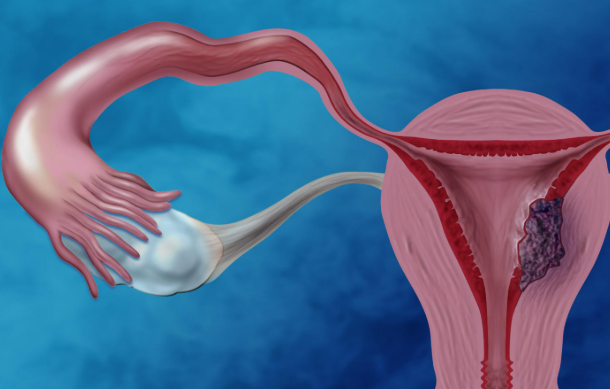
Cytoreductive surgery, also known as debulking surgery, is a cancer treatment aimed at removing as much of a tumor as possible (ideally all visible disease) when a cancer has spread throughout the body, particularly the abdomen. It is commonly used for ovarian, peritoneal, and some gastrointestinal cancers to improve the effectiveness of subsequent treatments like chemotherapy and to relieve symptoms.
According to Prof. Dr. Sandeep Nayak, Surgical Oncologist in India, “the less disease we leave behind, the more effectively everything that follows can work cytoreduction is about setting up the next treatment to succeed.”
Want to know if cytoreductive surgery applies to your diagnosis?
What Does Cytoreductive Surgery Involve?
The procedure is one of the more extensive operations in cancer surgery and requires thorough pre-operative assessment before the team commits to it.
- Pre-Surgical Assessment: CT and PET scans map where deposits sit and how widely they’ve spread. This tells the team whether the operation is technically worth doing for that patient at that stage.
- Multi-Structure Removal: Bowel segments, peritoneal surfaces, parts of the diaphragm or spleen are removed where disease has attached, and laparoscopic cancer surgery is sometimes used for staging before the full open procedure is committed to.
- Completeness Scoring: After surgery the team grades how much residual disease remains. No visible disease is the target and achieving it consistently produces better responses to follow-up chemotherapy.
- HIPEC Delivery: Heated chemotherapy goes directly into the abdominal cavity right after tumour removal, targeting microscopic deposits the surgical instruments couldn’t physically reach during the operation.
Patient fitness, disease extent and expected benefit all determine whether cytoreduction is appropriate and the decision always comes from tumour board review.
When Is Cytoreductive Surgery Recommended?
The procedure has a defined role in specific cancer types and isn’t applied broadly across all cases of advanced disease.
- Ovarian Cancer: Cytoreduction is central to advanced ovarian cancer treatment. Residual disease volume after surgery is one of the strongest predictors of how well platinum-based chemotherapy works afterward.
- Peritoneal Carcinomatosis: When colon, stomach or appendix cancer spreads to the peritoneal lining, robotic cancer surgery or open cytoreduction removes visible deposits before HIPEC targets microscopic residual disease.
- Mesothelioma: Selected patients with peritoneal or pleural mesothelioma are considered when disease is contained enough that significant removal is achievable without putting the patient at excessive operative risk.
- Patient Fitness: The procedure typically runs six to ten hours and the patient must be medically fit enough to tolerate that duration and recover from the significant physiological demands it creates.
Cytoreduction is never decided by one clinician alone and for broader context on how surgical decisions are reached, cancer surgery is covered separately.
Why Choose Dr. Sandeep Nayak for Cytoreductive Surgery?
Dr. Sandeep Nayak holds DNB qualifications in Surgical Oncology and General Surgery with a fellowship in Laparoscopic and Robotic Onco-Surgery and 24 years of experience performing cytoreductive surgery and HIPEC across ovarian, colorectal, gastric and peritoneal cancers. He leads surgical oncology at KIMS Hospital, Bangalore and heads Oncology Services across Karnataka, with originator credits for RABIT, MIND and L-VEIL techniques and over 25 published clinical studies. Patients with peritoneal disease or cases declined elsewhere are fully assessed here with every decision going through tumour board review. Call +91 8104310753 to book your consultation.
Frequently Asked Questions
Is cytoreductive surgery the same as debulking surgery?
The terms are often used interchangeably though cytoreduction implies a more systematic removal of all visible peritoneal disease deposits.
How long does the procedure typically take?
Most cytoreductive operations run between six and ten hours depending on disease spread and structures involved.
Is HIPEC always combined with cytoreductive surgery?
In most peritoneal cancer cases yes, delivered directly into the abdominal cavity immediately after tumour removal is complete.
Who is a suitable candidate for this surgery?
Patients with limited peritoneal spread, good performance status and organ function sufficient to tolerate a prolonged major abdominal operation.
Reference links:
- National Cancer Institute — Surgery to Treat Cancer
- National Institutes of Health — Cytoreductive Surgery and HIPEC
- Disclaimer: The information shared in this content is for educational purposes and not for promotional use.
