
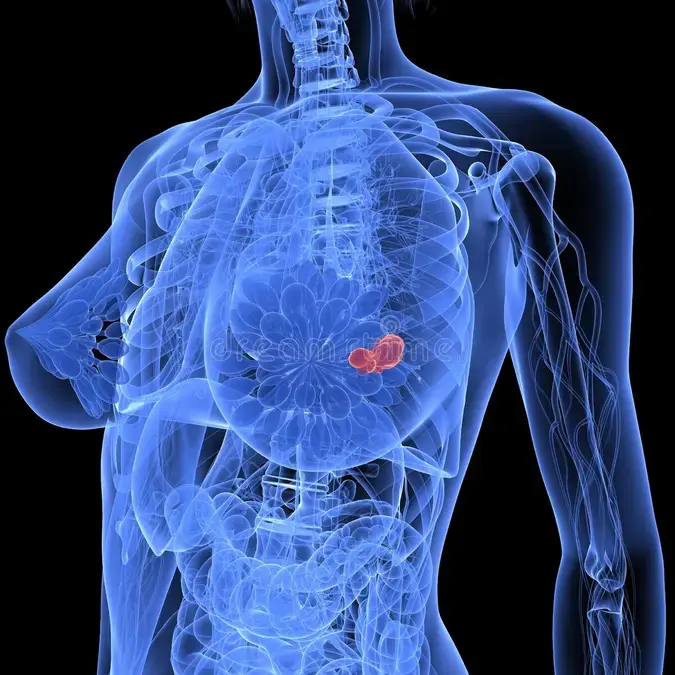
Breast cancer can return after surgery even when the original treatment went well. Recurrence happens when cancer cells that weren’t detectable at the time of the operation survive treatment and reactivate sometimes locally in the same breast or chest wall, sometimes in distant organs like the liver, lungs or bone. The risk varies significantly by tumour biology, stage at diagnosis and how completely adjuvant treatment was delivered and completed.
According to Prof. Dr. Sandeep Nayak, Surgical Oncologist in India,
“Recurrence doesn’t mean the original treatment failed it means cancer cells present below detectable levels eventually became active again, which is why follow-up and adjuvant therapy matter as much as the operation itself.”
Concerned about recurrence after breast cancer treatment?
What Are the Different Types of Breast Cancer Recurrence?
Recurrence takes different forms depending on where cancer reappears and each type carries different treatment implications.
- Local Recurrence: Cancer returns in the same breast after lumpectomy or on the chest wall after mastectomy the most treatable form, often managed with surgery, radiation or both depending on what the area has already received.
- Regional Recurrence: Disease reappears in nearby lymph nodes axillary, supraclavicular or internal mammary and breast cancer treatment at this point typically combines surgery or radiation with systemic therapy based on receptor status.
- Distant Recurrence: Cancer reaches organs such as bone, liver, lungs or brain this is metastatic disease and while systemic therapy manages it for extended periods, clinical intent shifts from cure to long-term disease control.
- New Primary Cancer: A second independent cancer developing in the opposite breast is technically a new diagnosis rather than recurrence, managed through the same pathway with updated staging and a fresh treatment plan.
The type and location of recurrence determine what treatment options are available and how aggressively the team can pursue them.
What Affects Recurrence Risk and How Is It Monitored?
Several tumour and treatment factors shape recurrence likelihood and structured follow-up is what catches it at the earliest treatable point.
- Tumour Biology: Triple-negative and HER2-positive cancers carry higher short-term recurrence risk while hormone receptor positive cancers can recur years or decades later the subtype determines how long follow-up needs to continue and how vigilant monitoring needs to be.
- Stage at Diagnosis: Earlier-stage cancers with smaller tumours and clear lymph nodes carry substantially lower recurrence risk than locally advanced disease that required neoadjuvant chemotherapy before becoming operable.
- Adjuvant Therapy Completion: Completing hormone therapy, chemotherapy and radiation as prescribed significantly reduces recurrence risk stopping hormone therapy early in particular meaningfully increases the chance of cancer returning.
- Surveillance Schedule: Regular clinical examination, annual mammography and imaging of symptomatic sites are standard monitoring tools, and robotic cancer surgery centres integrate structured surveillance into post-operative care rather than leaving follow-up to the patient to initiate independently.
Recurrence is not inevitable and most patients treated at an early stage don’t experience it, and for more on how surgical decisions are made when cancer returns, our blog on cancer surgery covers this in detail.
Why Choose Dr. Sandeep Nayak for Breast Cancer Treatment ?
Dr. Sandeep Nayak brings 24 years of surgical oncology experience, DNB qualifications in Surgical Oncology and General Surgery and a fellowship in Laparoscopic and Robotic Onco-Surgery to both primary breast cancer surgery and recurrence management. He heads Oncology Services across Karnataka and leads breast cancer surgery at KIMS Hospital, Bangalore, with originator credits for RABIT and over 25 published clinical studies. Patients dealing with suspected recurrence or wanting a structured post-treatment surveillance plan are seen here with every decision going through tumour board review. Call +91 8104310753 to book your consultation.
Frequently Asked Questions
How soon after surgery can breast cancer come back?
Recurrence can happen within months or years triple-negative cancers tend to recur earlier while hormone-positive cancers can return a decade later.
What are warning signs of breast cancer recurrence?
New lumps near the surgical site, bone pain, unexplained weight loss or breathlessness after treatment should be reported to the oncology team promptly.
Does mastectomy eliminate recurrence risk completely?
Mastectomy significantly reduces local recurrence risk but doesn’t prevent distant recurrence if cells had spread before surgery.
How long should surveillance continue after breast cancer treatment?
Most guidelines recommend annual mammography and clinical review for at least five to ten years depending on tumour subtype and stage.
References
-
- National Cancer Institute — Breast Cancer Recurrence
- World Health Organization — Breast Cancer Follow-Up
- Disclaimer: The information shared in this content is for educational purposes and not for promotional use.
