
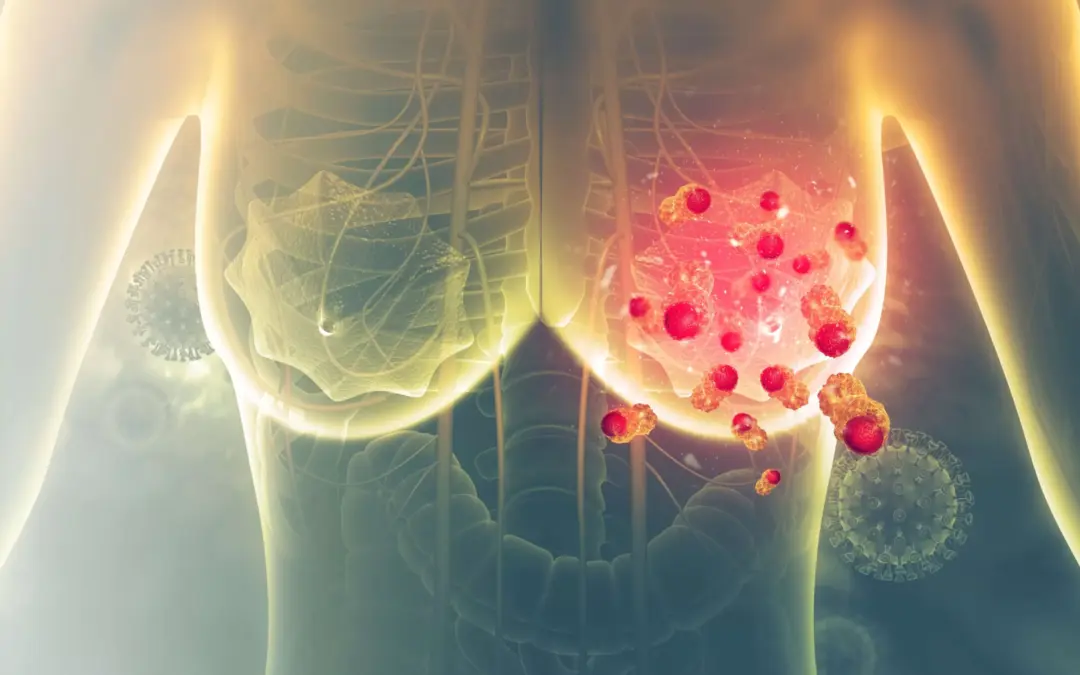
Surgery and radiation aren’t alternatives competing against each other in breast cancer. For most patients they’re used together, just in a specific order. Surgery removes the tumour. Radiation addresses what remains at a microscopic level that surgery physically can’t see or reach. The question isn’t which one to choose but rather which one goes first and why the sequence is determined the way it is.
According to Prof. Dr. Sandeep Nayak, Surgical Oncologist in India, “Most early breast cancers are operated on first and radiated after. The surgery defines what the radiation needs to treat. Getting that order right is part of how we give the patient the best possible outcome from both treatments.”
Trying to understand why surgery was recommended before radiation for your breast cancer?
Why Does Surgery Usually Come Before Radiation?
In early and locally advanced breast cancer the standard sequence is surgery first, radiation after, and there are specific clinical reasons why that order is almost always maintained.
- Removes the Main Disease: Surgery takes out the primary tumour and samples or clears the lymph nodes. Radiation after a lumpectomy treats the remaining breast tissue to kill any cancer cells surgery left behind at a microscopic level that pathology simply can’t detect.
- Pathology Guides Radiation Planning: The surgical specimen tells the radiation team exactly what they’re dealing with tumour grade, margins, nodal involvement. Breast cancer treatment planning for radiation is more accurate when it’s based on actual pathology rather than imaging estimates alone.
- Radiation After Mastectomy: Not every mastectomy patient needs post-operative radiation but those with positive lymph nodes, large tumours or involved margins typically do. The surgical result determines whether radiation to the chest wall is part of the plan.
- Faster to Definitive Treatment: Operating first gets to definitive treatment faster than running a full radiation course upfront. For operable early breast cancer there’s no oncological benefit to delaying surgery in favour of radiation when the tumour can be removed safely right away.
Surgery first is standard for early breast cancer and the radiation that follows is planned using what pathology confirms rather than what imaging estimated before the operation.
When Does the Sequence Change or Radiation Plays a Different Role?
There are specific situations where the standard surgery-first approach changes and radiation steps into a different position in the treatment plan.
- Inflammatory Breast Cancer: Surgery never opens the treatment plan in IBC. Chemotherapy comes first, sometimes followed by surgery, and radiation runs after the operation to address the chest wall and regional nodes because IBC spreads through dermal lymphatics in ways that need systemic and radiation control.
- Locally Advanced Inoperable Tumours: When a tumour is fixed to the chest wall or involves the skin in a way that makes immediate surgery technically impossible, radiation alongside chemotherapy reduces the tumour enough to make surgery feasible as a second step in carefully selected patients.
- Re-irradiation Limitations: A breast that’s already received radiation after lumpectomy can’t be irradiated again safely if cancer recurs. Robotic cancer surgery or conventional mastectomy in that situation removes the radiated breast rather than returning to a modality the tissue can no longer safely receive.
- Radiation as the Alternative to Re-excision: When lumpectomy margins come back positive and re-excision would significantly compromise breast appearance or function, radiation to the operative bed addresses residual microscopic disease without returning to theatre in selected patients.
The sequence isn’t arbitrary and every decision about which comes first goes through tumour board review, and for more on how these surgical decisions are made, our blog on cancer surgery covers this in detail.
Why Choose Dr. Sandeep Nayak for Breast Cancer Treatment?
Dr. Sandeep Nayak brings 24 years of surgical oncology experience, DNB qualifications in Surgical Oncology and General Surgery and a fellowship in Laparoscopic and Robotic Onco-Surgery to every breast cancer treatment sequencing decision including surgery and radiation coordination. He heads Oncology Services across Karnataka and leads breast cancer surgery at KIMS Hospital, Bangalore, with originator credits for RABIT and over 25 published clinical studies. Patients who want clarity on why their treatment is sequenced the way it is are seen here with every decision going through tumour board review. Call +91 8104310753 to book your consultation.
Frequently Asked Questions
Does every breast cancer patient need radiation after surgery?
Lumpectomy almost always requires radiation afterward. Post-mastectomy radiation depends on nodal involvement, tumour size and margin status.
Can radiation replace surgery for breast cancer?
Radiation doesn’t replace surgery for most breast cancers. The two treatments address different aspects of the disease in a planned sequence.
How soon after breast cancer surgery does radiation start?
Radiation typically begins four to six weeks after surgery once the wound has healed sufficiently for treatment to proceed safely.
What happens if radiation was already given and cancer comes back?
Re-irradiation carries significant risks and the team usually recommends mastectomy rather than a second course of radiation to the same breast.
Reference Links-
- National Cancer Institute — Breast Cancer Treatment
- World Health Organization — Breast Cancer Treatment
- Disclaimer: The information shared in this content is for educational purposes and not for promotional use.
