
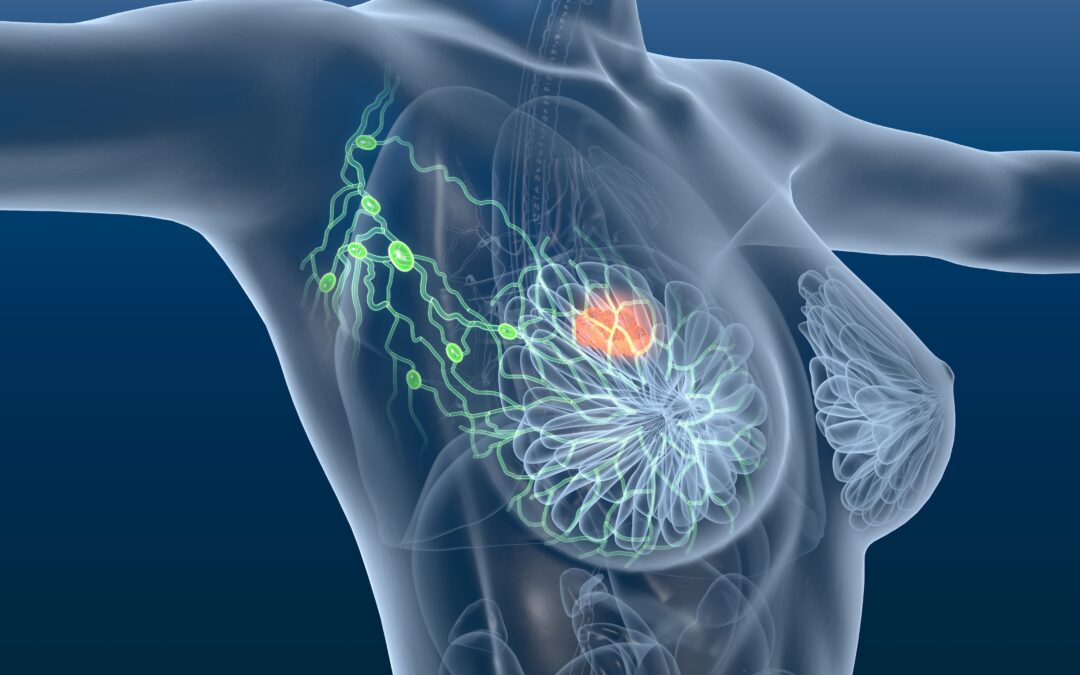
Average-risk Indian women start annual mammography at 40. Women with a first-degree relative diagnosed with breast cancer, a confirmed BRCA1 or BRCA2 mutation or prior chest radiation should start at 30 or earlier. This matters more in India than in most Western countries. Breast cancer here presents nearly a decade younger, with a substantial proportion of cases appearing before 50. Getting the start age right isn’t a formality. It directly changes what gets caught and how early.
According to Prof. Dr. Sandeep Nayak, Surgical Oncologist in India,
“Indian women develop breast cancer a decade earlier on average. High-risk women who wait until 40 are missing a window that genuinely matters for outcomes.”
Not sure when to start based on your risk profile?
Who Starts at 40 and What Does the Protocol Cover?
For average-risk Indian women, 40 is the right starting point and sticking to it consistently is what produces results.
- Annual Mammography from 40: Digital mammography every year from age 40 is the standard for average-risk women and breast cancer treatment outcomes are better when disease is found through screening rather than through a symptom that took months to get assessed.
- Clinical Examination Starts a Decade Earlier: An annual clinical breast examination from age 30 is recommended for all women regardless of mammography schedule, catching palpable changes in the decade before imaging screening formally begins.
- Monthly Self-Examination: Self-examination from the mid-twenties builds a personal baseline and makes it far more likely a new change gets flagged early rather than written off as nothing for months.
- Dense Tissue Needs Ultrasound Added: Women with heterogeneously or extremely dense tissue on their first mammogram need annual ultrasound alongside it, as dense tissue reliably obscures cancers that mammography alone will miss.
Consistent annual screening from 40 outperforms sporadic checks or symptom-triggered visits in every early-detection measure that matters clinically.
Screening at 30 vs 40: How Risk Profile Changes Everything
|
Start at 40 |
Start at 30 or Earlier |
|
|
Risk Level |
Average risk |
High risk, mutation, family history |
|
Imaging |
Annual mammography |
Mammography plus annual MRI |
|
Family History |
No first-degree relative |
First-degree relative with breast cancer |
|
Genetic Mutation |
No known mutation |
BRCA1, BRCA2 or TP53 confirmed |
|
Prior Treatment |
No chest radiation |
Chest radiation before age 30 |
|
Dense Tissue |
Ultrasound added |
MRI considered alongside mammography |
- BRCA Carriers Start at 25 to 30: Women with confirmed BRCA1 or BRCA2 mutations begin annual MRI between 25 and 30 and annual mammography from 30, because a lifetime risk of 60 to 80 percent makes the standard age of 40 simply too late to start.
- Family History Pulls the Date Forward: A mother or sister diagnosed before 50 moves the start to ten years before that relative’s diagnosis age and robotic cancer surgery outcomes for cancers found through earlier systematic screening are consistently better than for those presenting symptomatically.
- Prior Chest Radiation Stands Alone as an Indication: Women who received chest radiation between ages 10 and 30 start annual MRI and mammography eight years after completing radiation, independent of age, genes or family history.
- MRI Is Not an Add-On for High-Risk Women: Mammography misses up to 40 percent of cancers in high-risk women with dense tissue and annual MRI alongside mammography is the clinical standard for this group, not an optional upgrade for exceptional cases.
The right start age depends entirely on individual risk profile and for more on signs requiring immediate assessment regardless of schedule, our blog on early signs of breast cancer covers this in detail.
Why Choose Dr. Sandeep Nayak for Breast Cancer Treatment?
Dr. Sandeep Nayak brings 24 years of surgical oncology experience, DNB qualifications in Surgical Oncology and General Surgery and a fellowship in Laparoscopic and Robotic Onco-Surgery to breast cancer assessment including risk-stratified screening guidance for Indian women. He heads Oncology Services across Karnataka and leads breast cancer surgery at KIMS Hospital, Bangalore, with originator credits for RABIT and over 25 published clinical studies. Women wanting clarity on when to start and which protocol fits their risk profile are seen here with every decision going through tumour board review. Call +91 8104310753 to book your consultation.
Frequently Asked Questions
When should an Indian woman with no family history start breast screening?
Annual mammography from age 40 is the standard for average-risk Indian women with no significant family history or known genetic risk factors.
What screening do BRCA mutation carriers need in India?
Annual MRI from age 25 to 30 and annual mammography from 30 are recommended given a lifetime breast cancer risk of 60 to 80 percent.
Is breast cancer screening different for Indian women versus Western guidelines?
Indian women present with breast cancer nearly a decade younger on average making earlier screening initiation more clinically relevant than Western protocols.
Is mammography alone enough for high-risk Indian women?
Mammography misses up to 40 percent of cancers in high-risk women with dense tissue making annual MRI an essential part of the protocol, not an option.
Reference Links-
- National Cancer Institute — Breast Cancer Screening
- World Health Organization — Breast Cancer Early Detection
- Disclaimer: The information shared in this content is for educational purposes and not for promotional use.
