
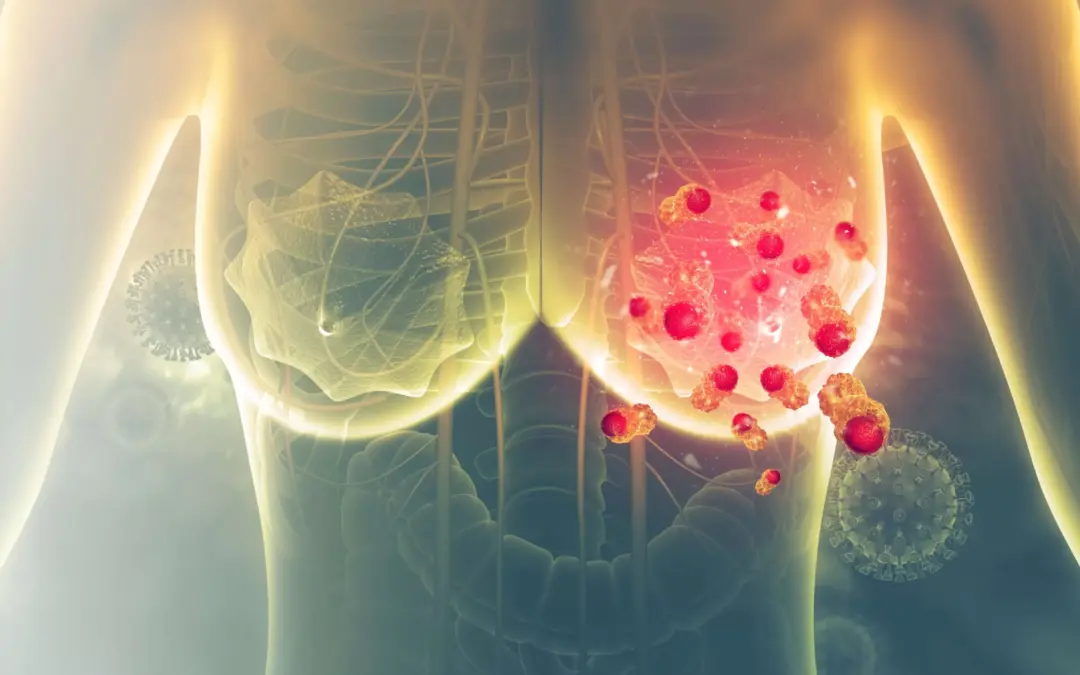
Most people associate breast cancer with a lump and stop looking there. The reality is that early breast cancer shows itself in several different ways and some of the most important warning signs have nothing to do with a mass that can be felt. Skin changes, nipple behaviour, axillary swelling and unexplained breast asymmetry all appear before a tumour becomes palpable in some cases and noticing them early genuinely changes what treatment can achieve.
According to Prof. Dr. Sandeep Nayak, Surgical Oncologist in India,
“The women who come in early are the ones who noticed something felt different — not always a lump, sometimes a dimple, a nipple change, a heaviness that wasn’t there before and acted on it rather than waiting.”
Something has changed in the breast and it hasn’t resolved on its own?
What Physical Changes Should Raise Concern Immediately?
Several changes in and around the breast warrant urgent clinical assessment rather than a period of watching and waiting.
- A New Lump or Thickening: Any lump that appears in the breast or underarm and doesn’t move freely, feels harder than the surrounding tissue or has appeared recently in a woman over 35 needs imaging and clinical assessment without delay rather than monitoring at home.
- Skin Dimpling or Puckering: When the skin over the breast develops an indentation, pulls inward or takes on an orange-peel texture called peau d’orange, it often reflects cancer cells blocking the lymphatics beneath the skin surface and breast cancer treatment needs to begin as soon as possible once confirmed.
- Nipple Changes: Retraction of a nipple that previously pointed outward, new asymmetry between the two nipples or any persistent nipple discharge particularly if bloodstained and from a single duct are changes that need assessment rather than reassurance.
- Unexplained Breast Pain: Cyclical breast pain tied to the menstrual cycle is usually benign but pain that persists through the cycle, localises to one specific area and doesn’t change over weeks is clinically significant and deserves investigation.
None of these signs confirms cancer on its own but any of them appearing without a clear benign explanation should bring a woman to a specialist rather than a general practitioner for initial assessment.
What Subtler Signs Do Women Often Miss or Dismiss?
Some early breast cancer signs are subtle enough that women normalise them for months before seeking assessment, which costs time the disease uses to progress.
- Breast Size or Shape Change: A gradual change in the size, contour or feel of one breast that has no obvious explanation not related to the menstrual cycle, weight change or hormonal shifts is worth investigating clinically rather than attributing to normal variation.
- Skin Redness or Warmth: Persistent redness and warmth in the breast without fever or systemic illness can indicate inflammatory breast cancer, a rare but aggressive type that mimics infection so closely that many women complete antibiotic courses before anyone considers a cancer diagnosis.
- Axillary Lymph Node Swelling: A firm, non-tender lump under the arm that hasn’t appeared after an infection or injury may reflect lymph node involvement from an early-stage breast tumour that hasn’t yet become palpable in the breast itself.
- Vein Prominence: Veins that become suddenly more visible on one breast without a clear explanation like recent weight loss or pregnancy can occasionally reflect increased blood flow to a growing tumour, something robotic cancer surgery teams assess alongside clinical and imaging findings during initial workup.
Subtle signs get dismissed precisely because they don’t match what women expect breast cancer to look like, and for more on how breast cancer is formally assessed once a concern is raised, our blog on latissimus dorsi covers what follows diagnosis and surgery in detail.
Why Choose Dr. Sandeep Nayak for Breast Cancer Treatment ?
Dr. Sandeep Nayak brings 24 years of surgical oncology experience, DNB qualifications in Surgical Oncology and General Surgery and a fellowship in Laparoscopic and Robotic Onco-Surgery to every breast cancer case from early detection through to complex surgical management. He heads Oncology Services across Karnataka and leads breast cancer surgery at KIMS Hospital, Bangalore, with originator credits for RABIT and over 25 published clinical studies. Patients with concerns about early breast changes or an assessment that hasn’t given them clarity are seen here with every decision going through tumour board review. Call +91 8104310753 to book your consultation.
Frequently Asked Questions
At what age should women start checking for breast cancer signs?
Self-examination from age 20 and annual clinical examination from 30 with mammography screening starting at 40 is the standard approach.
Do early breast cancer signs always include a lump?
Several early presentations involve no palpable lump at all skin changes, nipple retraction and axillary swelling all precede a detectable mass in some cases.
How quickly should a breast change be assessed by a specialist?
Any new breast change that persists beyond two to three weeks without a clear benign explanation warrants specialist assessment without further delay.
Can breast pain alone indicate cancer?
Cyclical pain is usually benign but persistent localised pain that doesn’t follow the menstrual cycle pattern deserves clinical investigation.
References
-
- National Cancer Institute — Breast Cancer Symptoms
- World Health Organization — Breast Cancer Early Detection
- Disclaimer: The information shared in this content is for educational purposes and not for promotional use.
